The first question after a fire is usually about cost. Your family is safe, the flames are out, and somewhere in the back of your mind a number is already forming. You deserve a straight answer instead of a runaround, so here it is. Fire damage restoration in Atlanta averages around $44,633. Real jobs run anywhere from about $3,552 for a small, contained event to roughly $85,714 for a severe structural loss.
That spread is enormous, and the midpoint tells you almost nothing about your specific home. What matters is where your loss falls on that range and why. This guide breaks down what drives the number, what a fair estimate looks like, and how insurance changes the math for homeowners across Fulton County.
What the numbers actually say
It helps to see the ranges side by side. Locally, Atlanta fire restoration averages about $44,633, with a typical band from roughly $3,552 to $85,714. Nationally the average runs lower, around $27,091, in a range of about $3,098 to $51,243. On a per-square-foot basis, restoration work commonly falls between $4 and $7.
Atlanta trends higher than the national average for practical reasons: labor and materials in a growing metro, older housing stock that needs careful hands, and the reality that smoke and soot spread far past the room that burned. A kitchen fire that looks minor can still leave residue in three other rooms by riding the HVAC system.
- Atlanta average: about $44,633 per job
- Atlanta range: roughly $3,552 to $85,714
- National average: about $27,091 (range $3,098 to $51,243)
- Common per-square-foot cost: about $4 to $7
Why the range is so wide
Two fires of the same size can cost very different amounts to restore. The variables that move the number most are severity, the path the smoke took, and how quickly the response started.
Soot is the quiet cost driver. It is acidic, and it starts etching glass, metal, and finishes within hours. A home cleaned the same day costs far less to restore than one where soot sat for a week and permanently stained countertops, fixtures, and trim. Firefighting water is the other multiplier. The water that put the fire out soaks into drywall, subfloors, and insulation, and it can trigger mold within 24 to 48 hours if it is not extracted and dried.
- Severity: surface smoke versus charred framing and burned-through walls
- Smoke travel: how many rooms the soot reached through vents and wall cavities
- Water damage: how much firefighting water soaked in, and how fast it was removed
- Response time: same-day work versus days of acidic soot setting into surfaces
- Materials: hardwood, plaster, and custom finishes cost more to restore than builder-grade
Where the money goes in a restoration bill
Labor is the largest line on almost every fire job, typically 50 to 70 percent of the total. Restoration is slow, careful, hands-on work. Cleaning soot off a coffered ceiling is not something a machine does.
A full fire damage restoration project moves through phases, and each one carries its own cost.
- Emergency response and board-up to secure the home
- Water extraction and structural drying
- Soot and smoke residue cleaning, surface by surface
- Odor removal using thermal fogging, ozone, or hydroxyl treatment
- Content cleaning and, when needed, a pack-out to clean belongings off-site
- Reconstruction, from drywall and paint to a full rebuild
What soot and smoke cleanup costs on its own
Not every fire needs a rebuild. Many Atlanta calls are smoke and soot events where the flames stayed contained but the residue spread. Local soot removal commonly runs between about $2,010 and $6,010, depending on the surfaces involved and how far the smoke traveled.
Porous materials are the deciding factor. Painted drywall and sealed wood clean up relatively easily. Brick, grout, unsealed masonry, and textured ceilings hold soot deep in their pores and take more labor to bring back. This is also why wiping soot yourself tends to cost more in the end. It smears the acidic residue into the surface and sets the stain, turning a cleanable wall into one that has to be refinished.
How Fulton County housing changes the estimate
Fulton County is Georgia's most populous county, and its housing runs the full gauntlet. You have 1890s intown Victorians, mid-century ranches across the north side, larger estate homes, and dense new-build condos. Each era carries a different restoration cost.
Older intown homes often have plaster walls, original trim, and heart-pine floors that are worth saving and cost more to restore correctly than modern drywall. North-side ranches and estates tend to be larger, so square footage pushes the total up even when the damage is moderate. Newer attached homes and condos add a wrinkle: smoke migrates through shared attics and walls, so the estimate may include units the fire never physically touched. We scope the whole affected footprint, not just the room that burned.
How to read an estimate and avoid overpaying
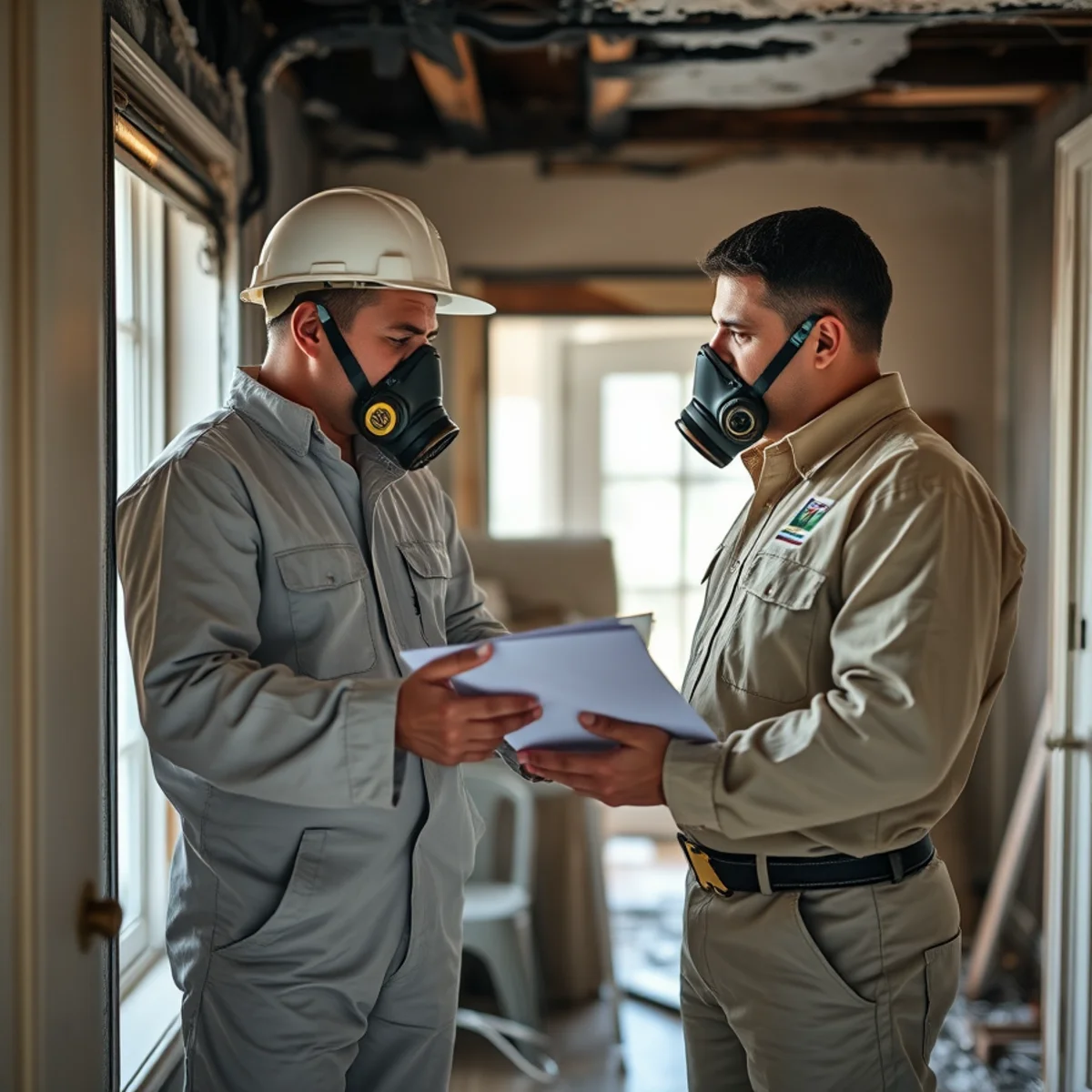
A fair estimate is specific. It names surfaces, rooms, and methods, not just a lump sum. Be cautious with any number that arrives before someone has walked your home and checked behind the walls for hidden water.
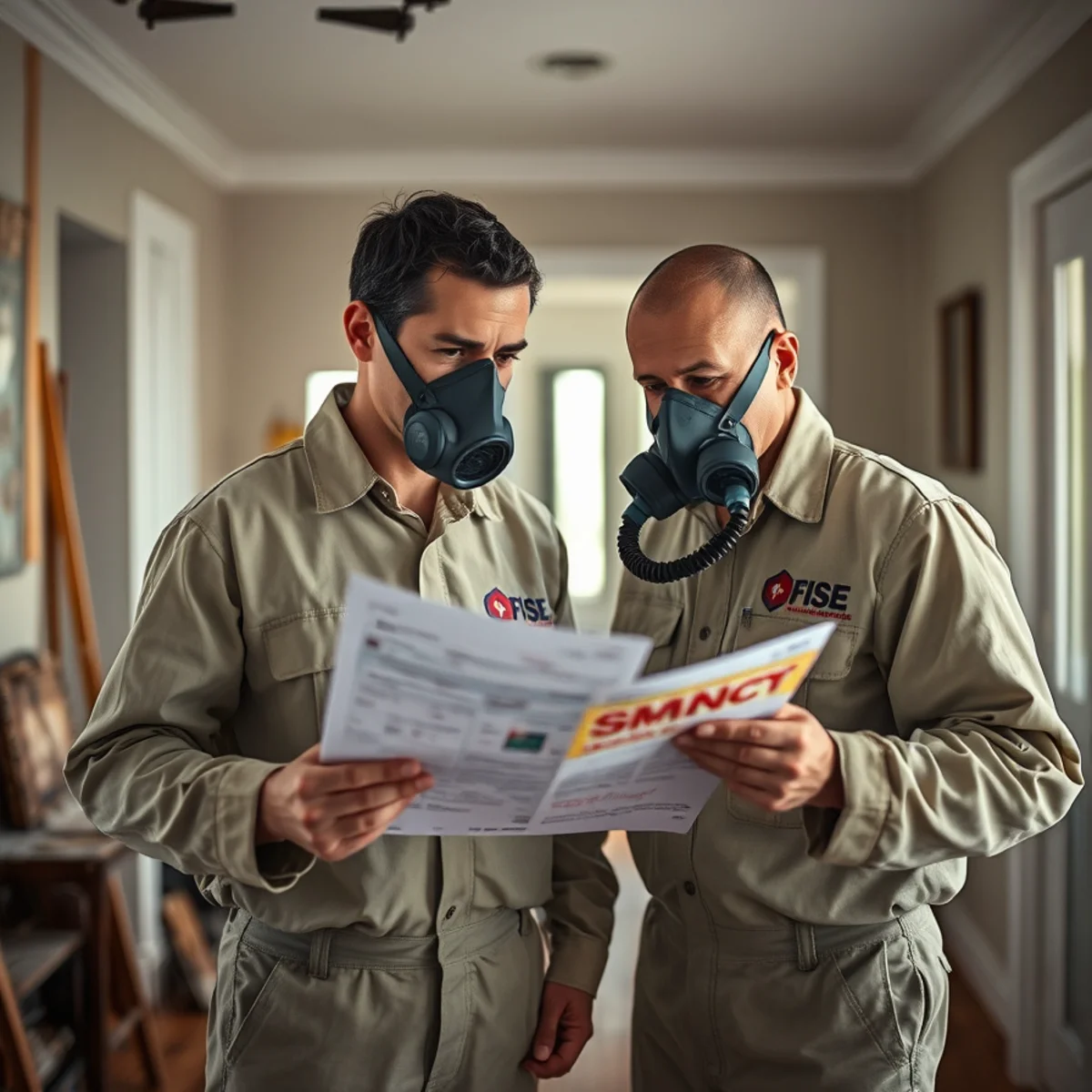
- Get the scope in writing, room by room, with the cleaning method noted
- Ask what is included in the base price and what is billed separately
- Confirm whether reconstruction is in the same estimate or a later phase
- Make sure hidden water was checked with a moisture meter, not just eyeballed
- Ask how they document everything for your insurance file
Where insurance fits in
Most Atlanta homeowners never pay these full numbers out of pocket. A standard homeowners policy typically covers sudden, accidental fire damage, and your out-of-pocket cost is usually your deductible. The estimate still matters, because it becomes the backbone of your claim.
We document the damage in the detail adjusters expect and, when you want, bill your carrier directly. If you are just starting the process, our step-by-step guide to filing a fire damage insurance claim in Atlanta walks through the paperwork. If your home needs structural work, the companion piece on reconstruction costs and the repair-versus-rebuild decision is worth a read before you commit to a direction.
Get a real estimate for your home
A number from a chart is a starting point, not a quote. The only way to know what your restoration will cost is to have someone assess the actual damage, including what hides behind the walls.
We serve homeowners across Fulton County and the wider Atlanta metro, 24/7, with a live person on the phone and a real ETA. Call Fire Damage Atlanta at (866) 688-0301 for a clear, written estimate and honest guidance on what your home actually needs.