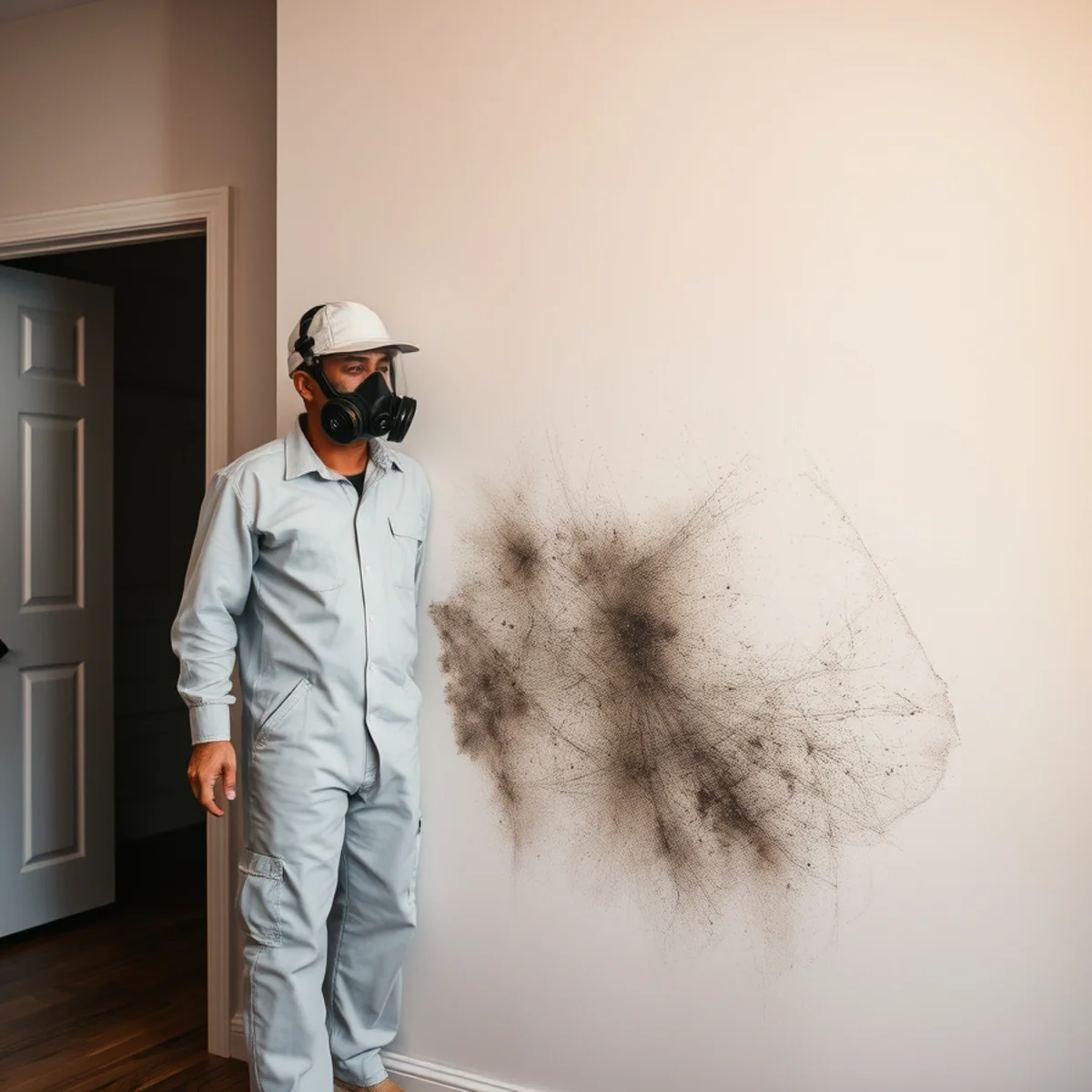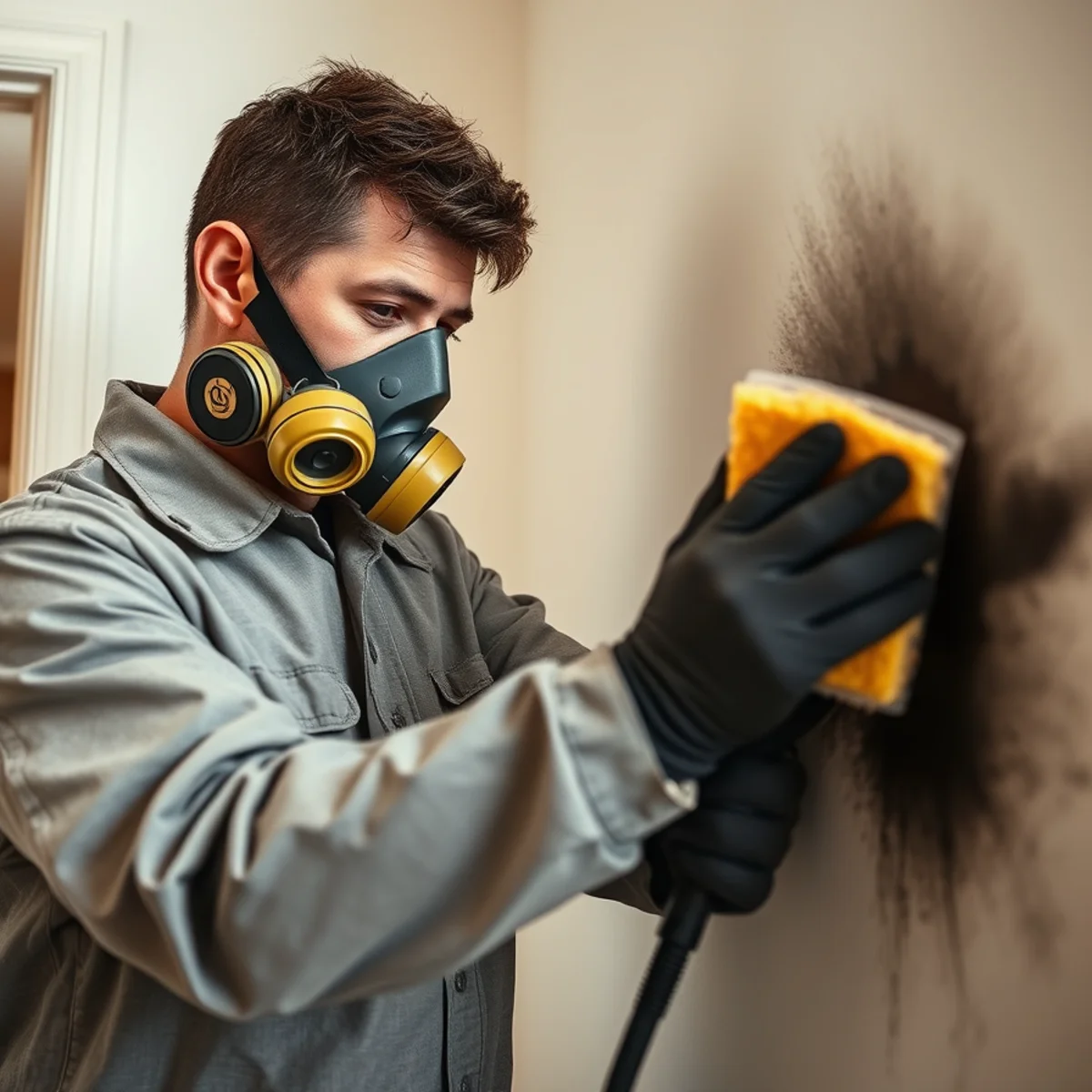
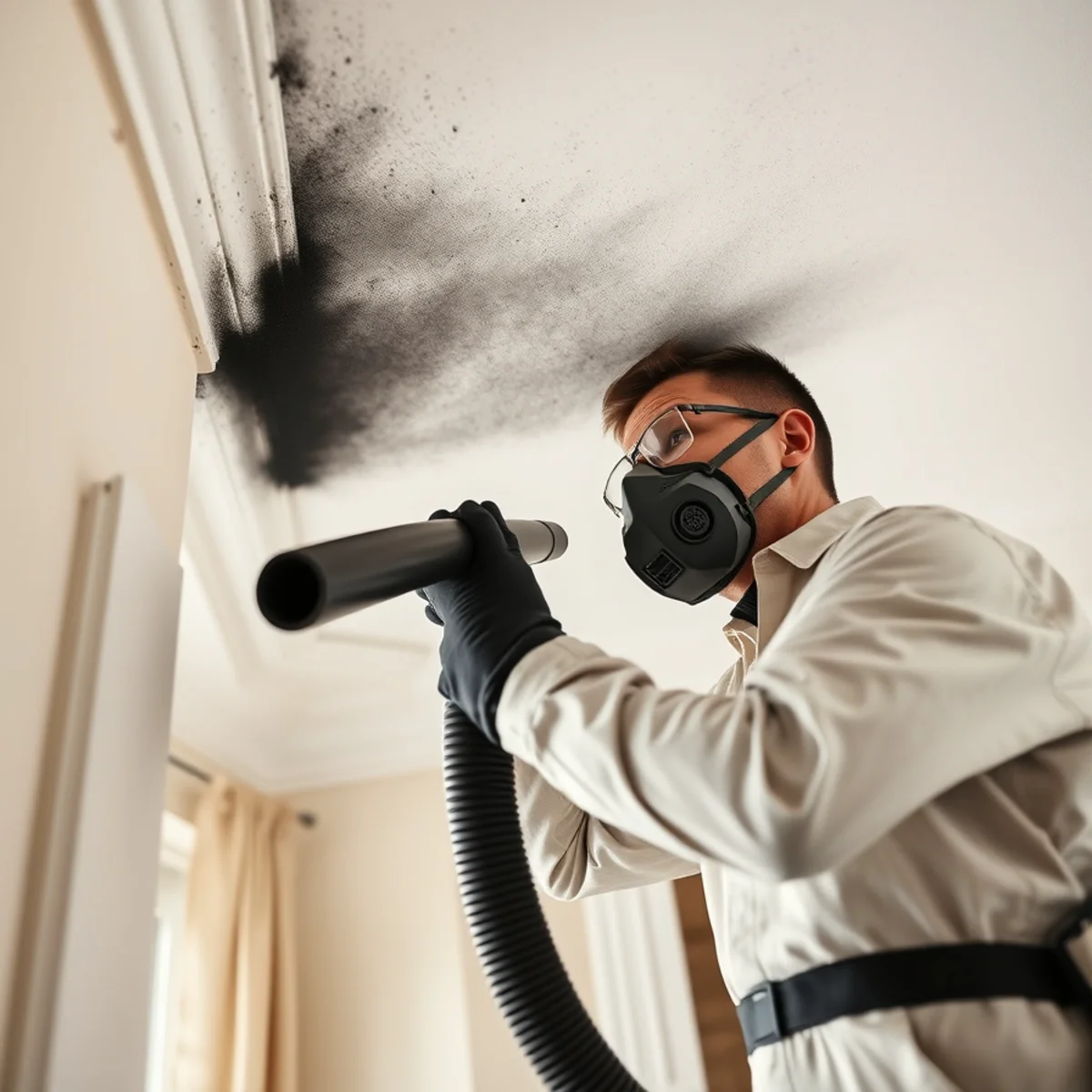
Soot looks like it should wipe right off. It does not. That black or gray powder coating your walls and ceilings is the residue of everything the fire burned, and it is chemically acidic. The instinct to grab a rag and start cleaning is the exact move that makes it worse.
Wipe dry soot with a cloth and you grind it into the surface, smearing it and forcing it into the pores of the paint or plaster. On a wall, that turns a cleanable film into a permanent stain. Meanwhile the acid in the soot is already at work, etching glass, corroding metal, and biting into finishes by the hour. There are also different kinds of soot. Dry soot from a fast, high-heat fire behaves nothing like the greasy, smeary soot from a smoldering or kitchen fire, and treating them the same ruins surfaces.
We remove soot the way it has to be removed: identified first, then lifted with the method that matches both the soot and the surface under it. No smearing, no set stains, no guesswork. Call (866) 688-0301 and we will get the soot off your home before it becomes part of it.
When Soot Needs Professional Removal
Soot is more than a stain. If you see any of these, hands-off is the right call until a technician can treat it correctly.
- A black, gray, or powdery film on walls, ceilings, or trim
- Greasy or smeary residue that darkens when you touch it
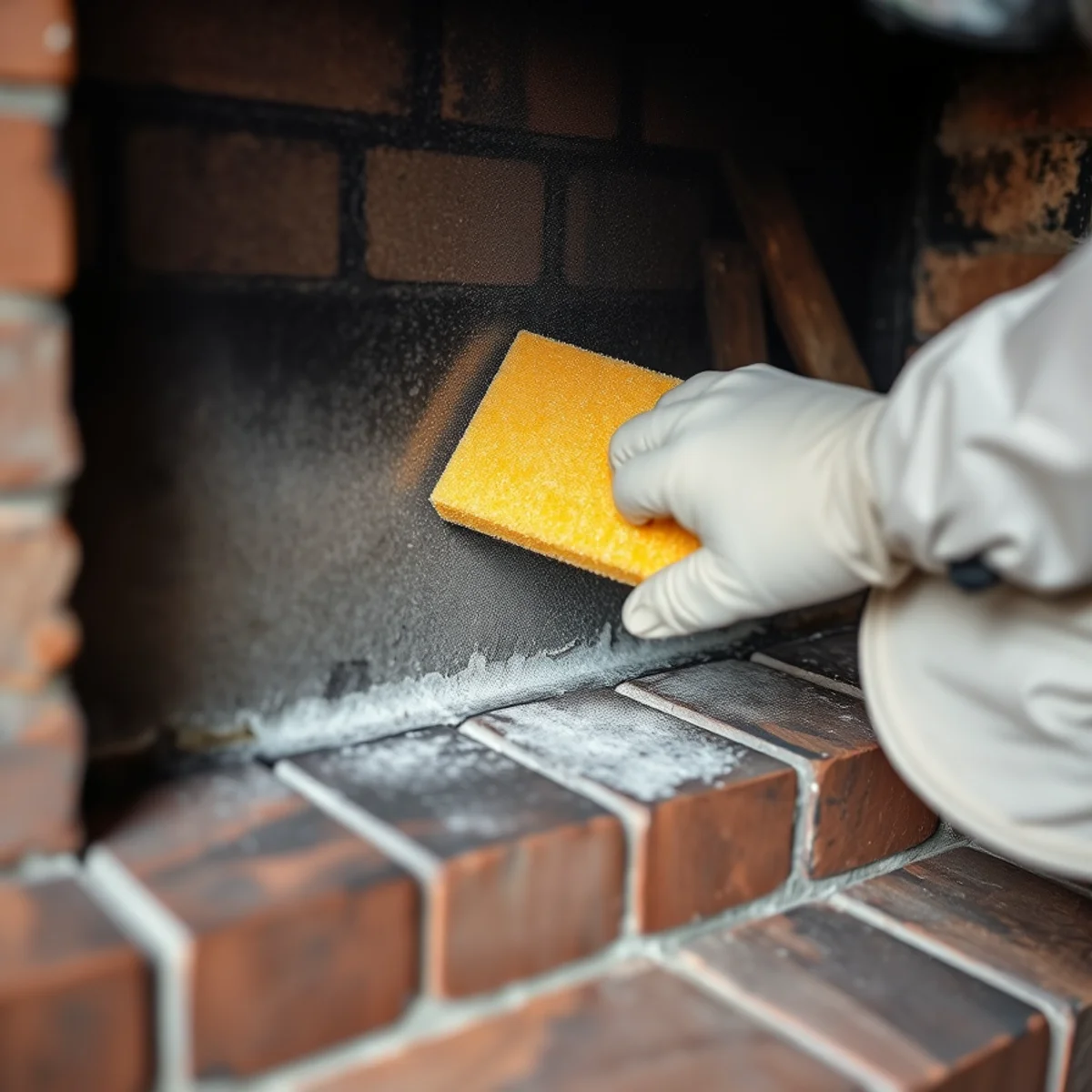
- Soot on brick, stone, or a fireplace surround that resists wiping
- Etched, hazy, or spotted glass, mirrors, or metal fixtures
- Fine black dust settling on surfaces in rooms away from the fire
- Any surface where wiping has already left a smear or streak
What our soot removal includes
Soot removal covers every surface the residue touched, matched to the material each time.
- Identification of dry, oily, and protein soot
- HEPA vacuuming of loose soot and airborne particles
- Dry sponge cleaning of walls, ceilings, and trim
- Surface-specific cleaning for brick, stone, and fireplaces
- Soot removal from glass, mirrors, and metal fixtures
- Cleaning of hardware, outlets, and switch plates
- Protection of floors and unaffected areas during the work
- A final inspection for smearing, shadowing, and missed residue
Our process
Soot removal is a sequence, and the order protects the surface. We identify, contain, then clean from dry to wet.
- 1
Soot identification
We determine whether you are dealing with dry, oily, or protein soot, because each bonds to surfaces differently and needs a different approach.
- 2
Surface protection and containment
We protect flooring and unaffected areas and seal off the workspace so airborne soot does not settle somewhere new during cleaning.
- 3
HEPA vacuuming
We vacuum loose soot with HEPA filtration first, lifting the top layer without pressing it into the surface.
- 4
Dry sponge cleaning
We use chemical dry sponges to lift soot from walls and ceilings without water, which prevents the smearing a wet cloth causes.
- 5
Surface-specific wet cleaning
For bonded or oily soot, we switch to cleaning agents matched to the material, whether that is painted drywall, wood, brick, or metal.
- 6
Detail and residue check
We clean fixtures, hardware, and hard-to-reach edges, then inspect for any residue or shadowing that needs a second pass.
Need this handled today?
Live answer, real ETA, crews on the way 24/7.
Soot and Atlanta's Older Homes
A lot of Atlanta's charm is old brick and original woodwork, and both are unforgiving when soot gets into them. The exposed brick in a Cabbagetown mill house or an Old Fourth Ward loft is porous, and soot sinks into it fast. Painted trim and plaster in Inman Park and Grant Park bungalows stain just as quickly. These surfaces reward the right method and punish the wrong one, which is why we test before we touch them.
Kitchen and cooking fires, common in dense in-town neighborhoods and apartments, tend to leave oily protein soot. It is nearly invisible, coats cabinets and walls in a thin greasy layer, and carries a strong odor. People often do not realize how far it spread until they try to wipe a wall and pull up a brown streak. We find it and remove it correctly the first time.
What affects the cost
Local soot removal typically runs between about $2,010 and $6,010 in the Atlanta area, according to Angi, though the surface and the type of soot move that number in either direction.
Why Atlanta homeowners choose Fire Damage Atlanta for soot removal
After a fire you shouldn't have to become an expert overnight. Here's what you get the moment you call (866) 688-0301.
- Live answer, 24/7When you call, we give you a real ETA — not a vague "soon" — and dispatch a crew right away, 24/7.
- 4.9/5 from 127+ reviewsAtlanta homeowners and property managers rate our crews for fast, honest, thorough work.
- IICRC-certified, licensed & insuredTrained fire and smoke restoration technicians, fully credentialed in the State of Georgia.
- We handle your insurance claimWe document the loss, build an itemized scope, talk to your adjuster, and bill your carrier directly.
- One team, board-up to rebuildFrom the first emergency step to the last coat of paint, one crew owns the whole job — no handoffs.
Soot Removal across metro Atlanta
We provide soot removal throughout the City of Atlanta and the surrounding Fulton, DeKalb, Cobb, Clayton, and Gwinnett metro — dispatched 24/7 from our Downtown base at 191 Peachtree St NE. A few of the areas we cover:
- Downtown Atlanta
- Midtown Atlanta
- Buckhead, Atlanta
- Old Fourth Ward, Atlanta
- Virginia-Highland, Atlanta
- Inman Park, Atlanta
- Sandy Springs, GA
- Brookhaven, GA
- Decatur, GA
- Druid Hills, GA
- East Point, GA
- College Park, GA
Don't see your neighborhood? See all 67 areas we serve.