The fire is out and the house is quiet. Somewhere in the next hour, almost everyone reaches for a wet rag and starts scrubbing a black smudge off the wall. It feels productive. It is also the single most expensive mistake homeowners make after a fire. Soot does not behave like dust or dirt, and treating it that way turns a surface you could have saved into one you have to replace.
This guide explains why wiping sets soot stains for good, which household habits quietly make the damage permanent, and how professional soot removal in Atlanta approaches the same walls without smearing a thing.
Soot Is Acidic, Not Just Dirty
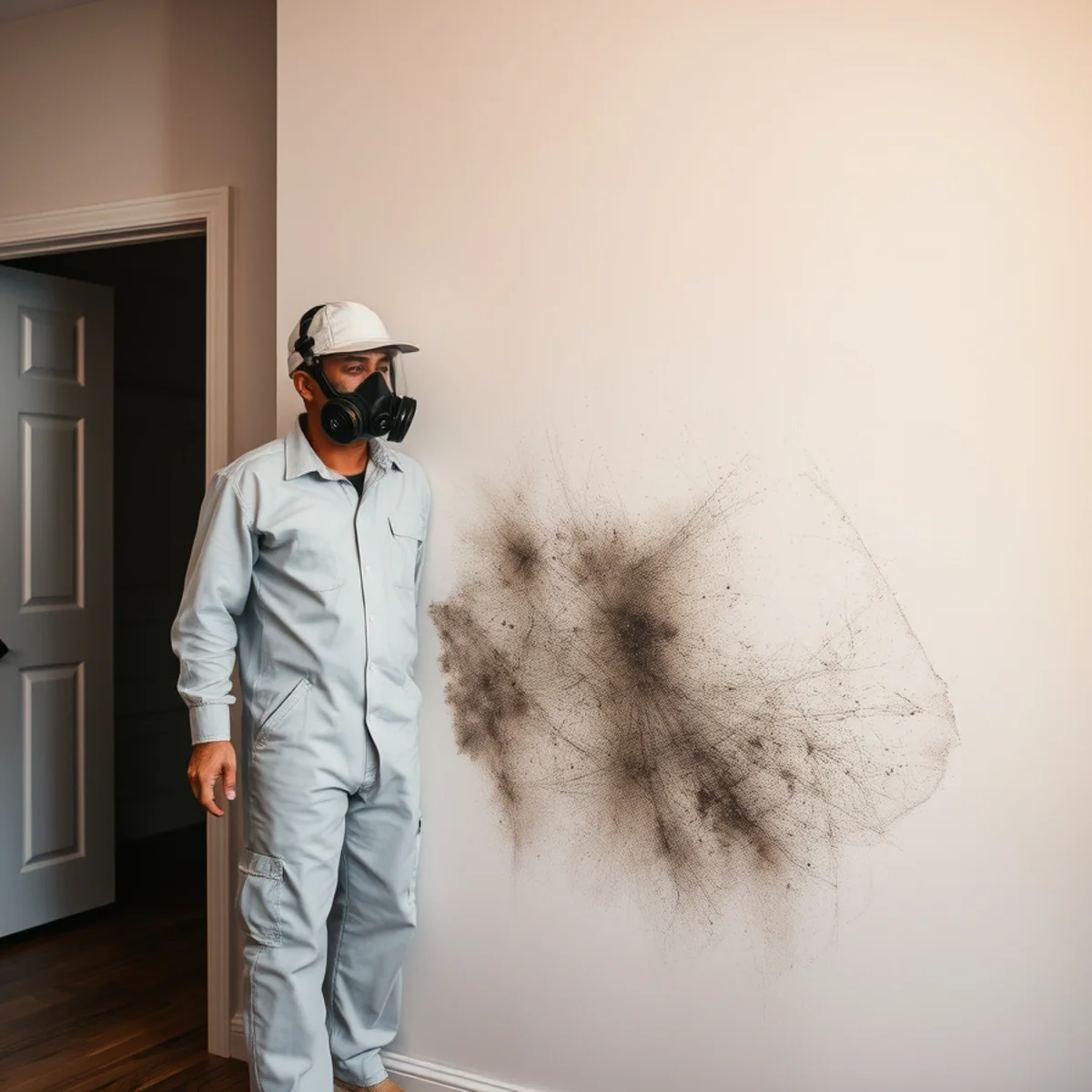
Soot is what is left when a fire does not burn cleanly. It is a fine, carbon-heavy residue carrying oils, acids, and whatever synthetic materials went up with the flames. Two things about it matter for cleanup. First, the particles are microscopic and jagged, so they wedge into every pore of paint, plaster, grout, and wood. Second, soot is acidic. Left alone, it etches glass, metal, and finishes within hours and sets into a stain within a day or two. That timeline is why speed matters more than scrubbing.
Not all soot is the same, either. A fast, hot fire that burned mostly paper and wood leaves dry, powdery soot that sits on the surface. A slow, smoky fire, or one involving plastics, oils, or a kitchen grease flare, leaves oily soot that is sticky and smears at the first touch. The two need opposite handling, and guessing wrong is exactly how stains happen.
Why Wiping Makes It Worse
A rag drags soot sideways. On dry soot, that grinds the powder deeper into the paint's pores instead of lifting it off. On oily soot, it spreads a thin greasy film across a wider area and pushes pigment into the surface. Add water or a household spray and the acid reactivates, the residue liquefies, and it wicks into drywall and wood where no sponge can reach it. What was a removable film becomes a shadow that bleeds back through primer and paint. We are regularly called to homes where the smoke line is gone but a smeared halo remains, exactly where someone tried to help.
The DIY Habits That Set the Damage In
Almost every instinct after a fire works against you. These are the ones that turn a cleanable surface into a repaint or a replacement:
- Wiping dry soot with a cloth. It presses powder into the pores and often scratches the finish. Dry soot comes off dry, not wet.
- Reaching for water, vinegar, or all-purpose spray. Moisture reactivates the acids and drives residue into porous materials.
- Leaving the HVAC running. The blower pulls soot into the ducts and redistributes it to rooms the fire never touched.
- Using a household vacuum. Standard filters pass the finest particles straight through the exhaust and blow them back into the air.
- Painting or priming over the stain. Soot and odor bleed through ordinary paint within weeks unless the surface is cleaned and sealed first.
- Waiting a few days to deal with it. Every hour the acid works, more of the stain becomes permanent.
What Professionals Do Instead
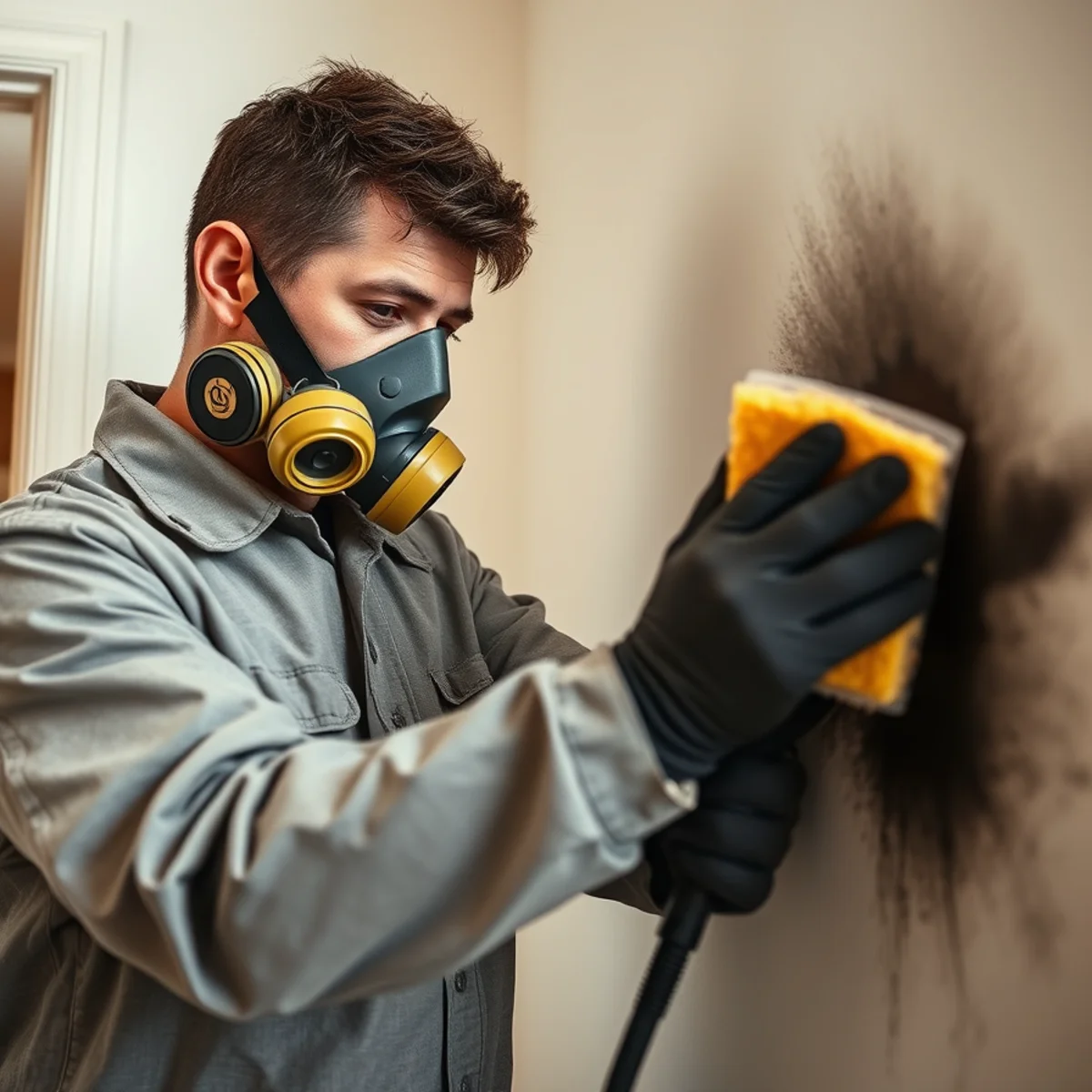
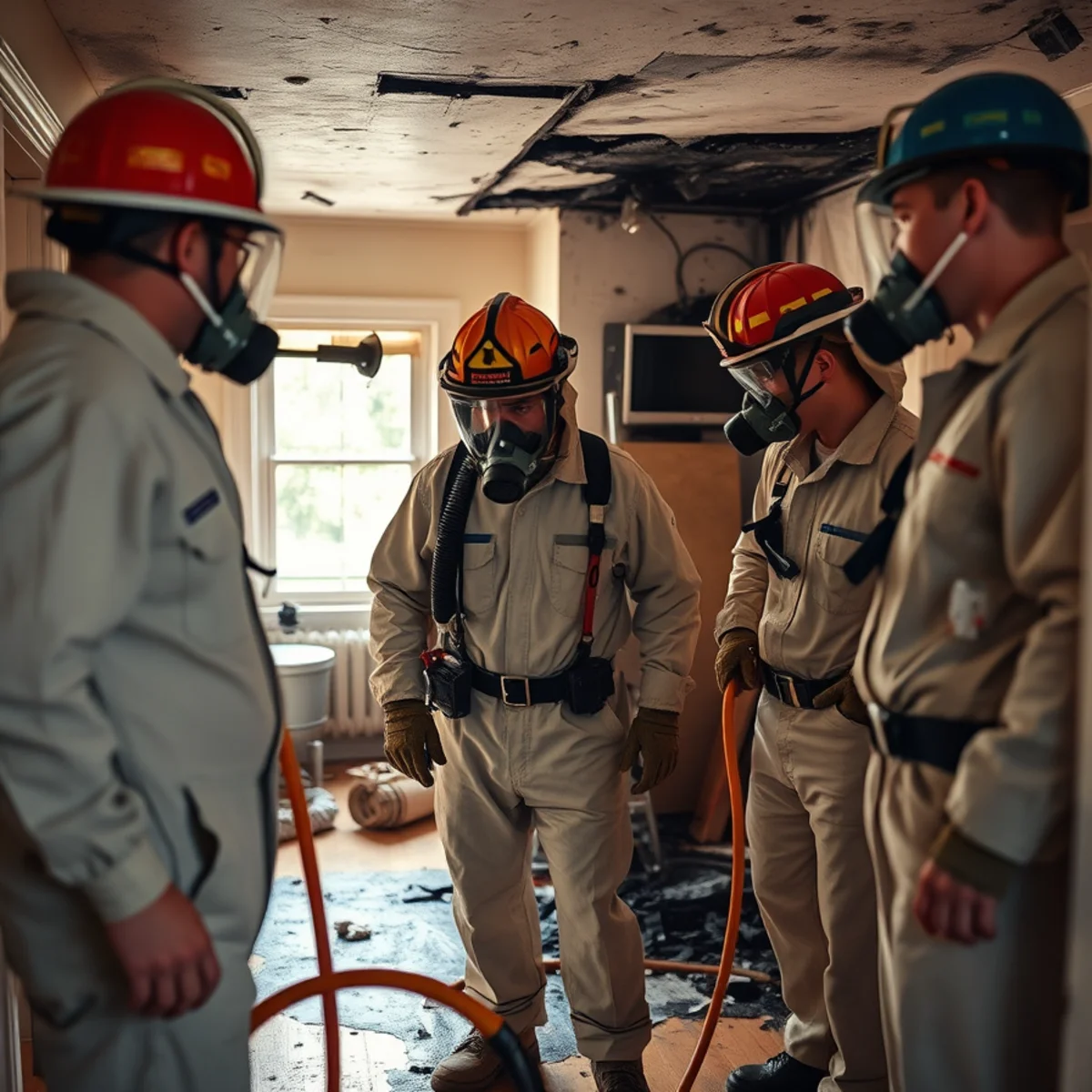
Professional soot removal reverses almost every DIY instinct. The work starts dry. Technicians HEPA-vacuum loose soot without touching the surface, holding the nozzle just off the wall so nothing gets pressed in. Painted walls and ceilings are then cleaned with dry chemical sponges, a soft vulcanized rubber that lifts soot off in strokes and carries it away rather than smearing it. Only once the dry residue is gone, and only where it is needed, do we move to the correct wet chemistry, matched to whether the soot is dry or oily and tested on a hidden patch first. Surfaces are worked top to bottom, the room is contained in plastic so soot does not migrate, and the HVAC stays off. The surface-by-surface method for walls, ceilings, and brick is its own subject worth reading, because masonry and textured ceilings each need a different touch.
What a Wiped Wall Actually Costs in West End
The math is simple and unforgiving. A wall cleaned correctly in the first day usually needs nothing more. The same wall, wiped and then left, often needs sealing and repainting, and sometimes new drywall. In West End, that gap gets expensive fast. The neighborhood's streetcar-era bungalows and American Foursquares near the BeltLine Westside Trail were built with plaster walls, original trim, and details that are hard to match. Grinding soot into a hundred-year-old plaster wall can mean replastering a whole room instead of cleaning it.
There is an insurance cost too. When cleanable materials get damaged by DIY attempts, an adjuster can question what was fire loss and what was homeowner error, which complicates the claim and can shrink the payout.
The Hardest, Best Thing to Do
The most useful thing you can do after a fire is also the hardest: leave the soot alone and call someone who removes it for a living. Document the damage with photos, keep the HVAC off, and let the walls sit until a technician can look at them. Our crews handle soot removal across West End and the rest of Atlanta, and the same first visit sets up the larger restoration process that follows, from drying to the final rebuild. If your home has soot on the walls right now, call (866) 688-0301 and we will walk you through the next step before anything gets worse.