People often picture fire restoration as one big cleanup: a crew shows up, scrubs the house, and hands back the keys. It is really a sequence of distinct stages, each of which has to happen in order for the next to work. Skip drying and you seal moisture into the walls. Rebuild before deodorizing and you trap odor behind new drywall.
Understanding the path from the first phone call to the final rebuild makes the whole thing less overwhelming, and it helps you know what should be happening at any given point.
The Stages, in Order
A full fire damage restoration in Atlanta generally moves through these stages:
- Emergency contact and dispatch
- Inspection, assessment, and scope
- Board-up, tarping, and water extraction
- Structural drying
- Soot and smoke cleanup
- Content cleaning and pack-out
- Deodorization
- Reconstruction and rebuild
- Final walkthrough
The First Call and the Assessment
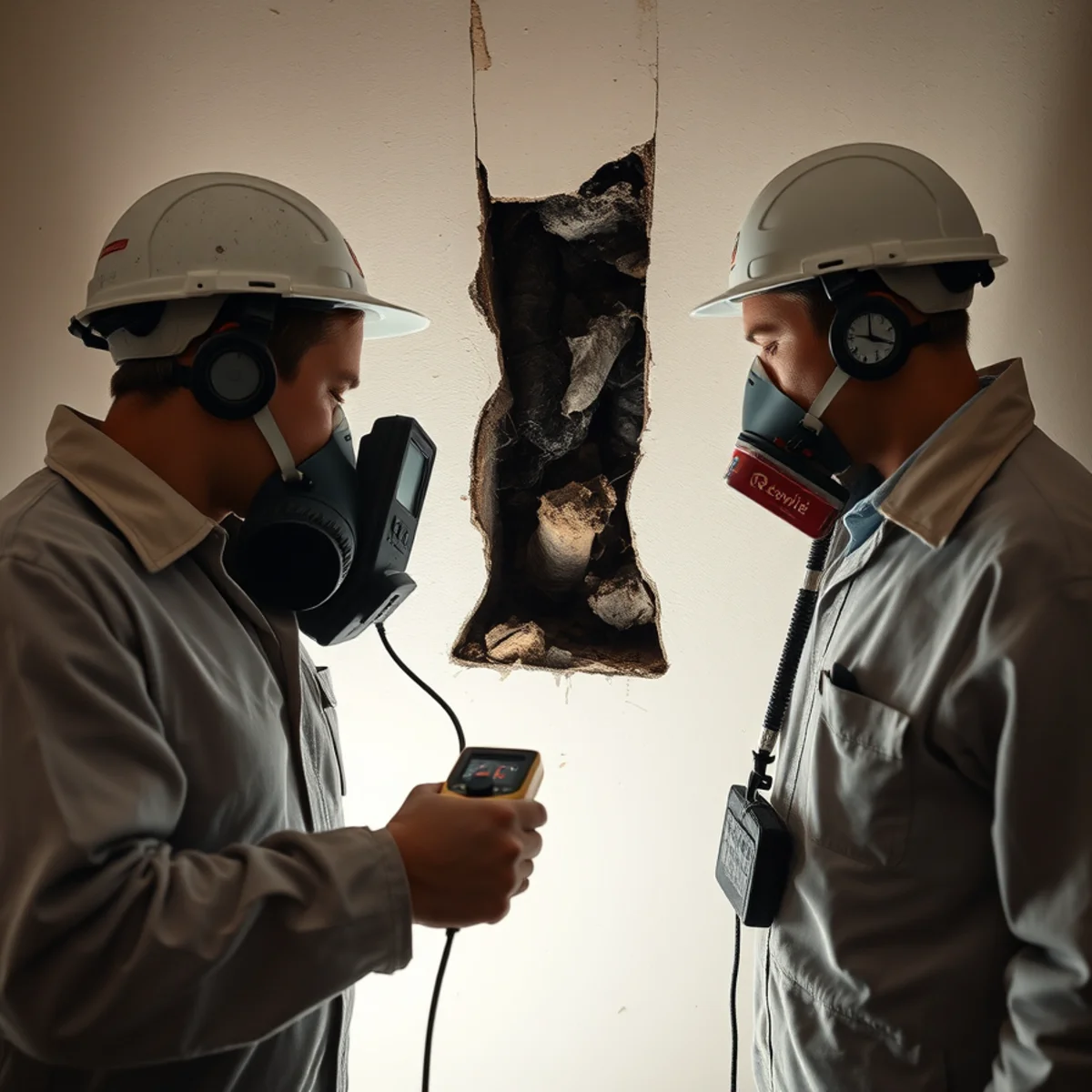
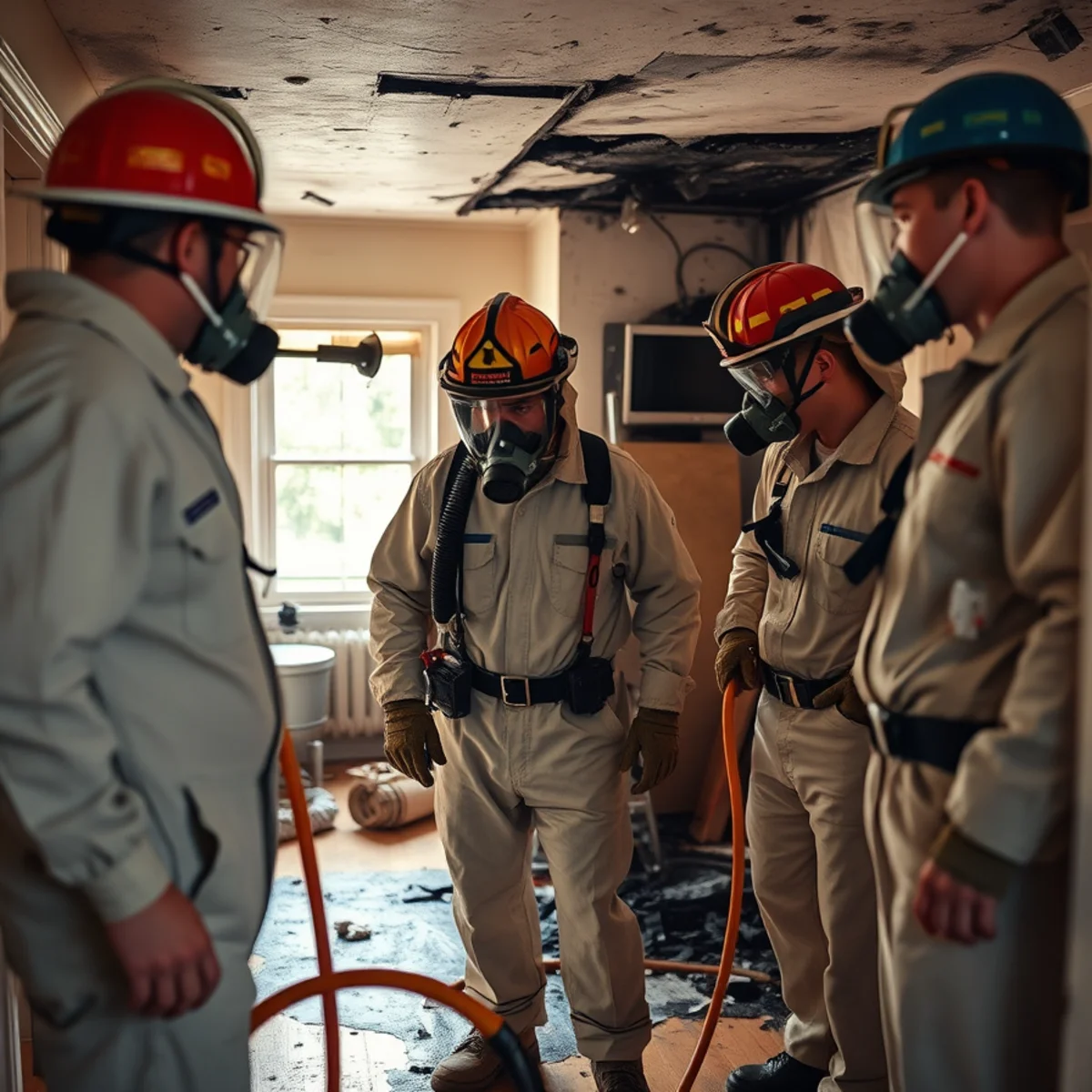
Some of those stages overlap, and the insurance claim runs alongside all of them. It starts with a call, day or night. On that call we get your address, a real estimated arrival time, and instructions for staying safe until we get there. Once Atlanta Fire Rescue has cleared the structure, technicians walk the property and build a scope: what burned, how far the smoke and soot traveled, how much firefighting water is in the building, and what can be saved. Everything is photographed and documented, both to plan the work and to support your claim. The walkthrough also flags immediate hazards, compromised framing, live electrical, and slip risks, that decide whether anyone can safely enter at all. This assessment sets the size and order of the entire project, and from it we can usually tell you roughly how large the job is and what the first 48 hours will involve.
Securing and Drying the Building
Before cleaning starts, the building has to be stabilized. Emergency board-up and roof tarping close the openings a fire and the fire department leave behind, keeping out weather, animals, and anyone who should not be there. Then comes water. Firefighting leaves hundreds of gallons behind, and it triggers mold within 24 to 48 hours if it sits. Crews extract standing water and set air movers and dehumidifiers to dry the structure, monitoring moisture until the materials hit a dry standard. Much of that water is hidden inside walls, subfloors, and insulation, which is a problem worth understanding on its own, because water missed at this stage becomes mold later.
Cleaning Soot, Smoke, and Contents
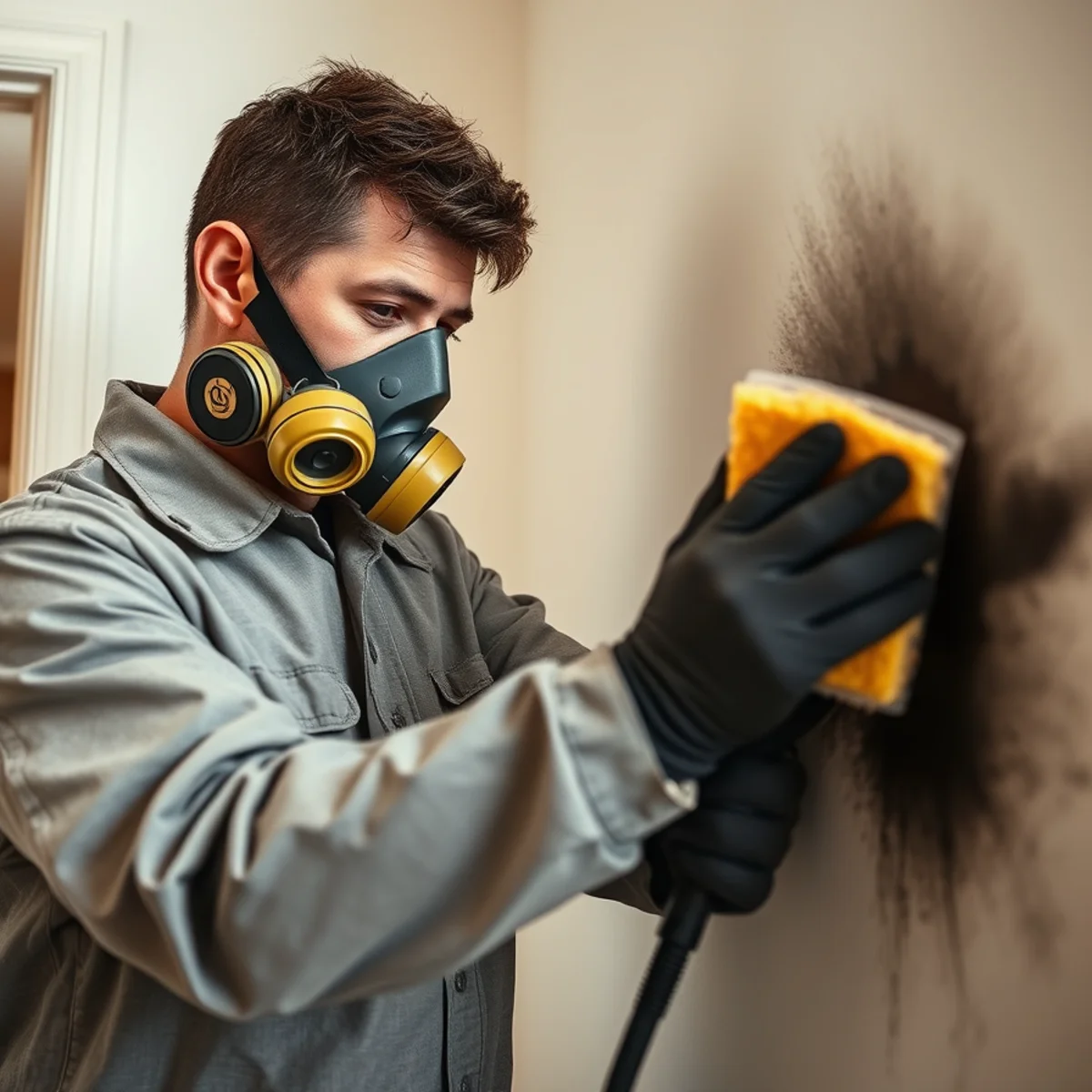
With the structure dry, cleaning begins. Soot is removed surface by surface using dry methods first, then the right chemistry for each material, because wiping acidic soot the wrong way sets stains permanently. The detailed surface-by-surface soot removal on walls, ceilings, and brick is its own craft. In parallel, belongings are inventoried and often packed out to be cleaned off-site. The HVAC system is cleaned too, since ductwork that ran during the fire holds soot that would re-contaminate every room the moment the system switches on. Order matters even inside this stage: ceilings before walls, walls before floors, and structure before contents, so nothing clean gets dirtied twice. Kitchen and grease fires add a step, because their oily protein residue clings to surfaces that dry soot would lift from easily.
Deodorization
Cleaning removes most odor, but not all, because smoke soaks into porous materials. Deodorization treats what is left, using thermal fogging, hydroxyl, or ozone depending on the situation, to neutralize odor at the source rather than mask it. This step happens after surfaces are clean and before anything is closed back up, so odor is not sealed inside the walls.
Reconstruction and the Rebuild
The final stage rebuilds what the fire destroyed. Depending on severity, that ranges from replacing drywall, flooring, and paint to reframing, roofing, and rebuilding whole sections of the home. Because the same team carried the job from board-up to this point, nothing gets lost in a handoff between a cleanup company and a separate contractor. The goal is your home returned to pre-fire condition, or better where current codes require an upgrade. This is also where finish choices reappear, matching trim profiles, flooring, and paint, so the rebuilt areas blend into the rest of the house instead of standing out as the part that burned.
Insurance and the Local Picture in Roswell
Through every stage, the insurance claim runs in parallel. We document the loss, submit an itemized scope, and can bill your carrier directly so you are not fronting the cost. The process adapts to the home, which matters in a place like Roswell, where the housing runs from antebellum homes near the historic mill-town core to 1970s and 90s subdivisions. An older house with plaster and heart-pine needs a very different rebuild than a newer subdivision home, and the assessment stage is where those differences get planned. That range is exactly why the process is a sequence and not a template.
A fire is chaos, but the recovery does not have to be. Our crews handle the entire fire damage restoration process under one roof across Roswell and metro Atlanta, so you make one call instead of managing five vendors. If you are at the start of that path right now, call (866) 688-0301 and we will begin with the assessment.