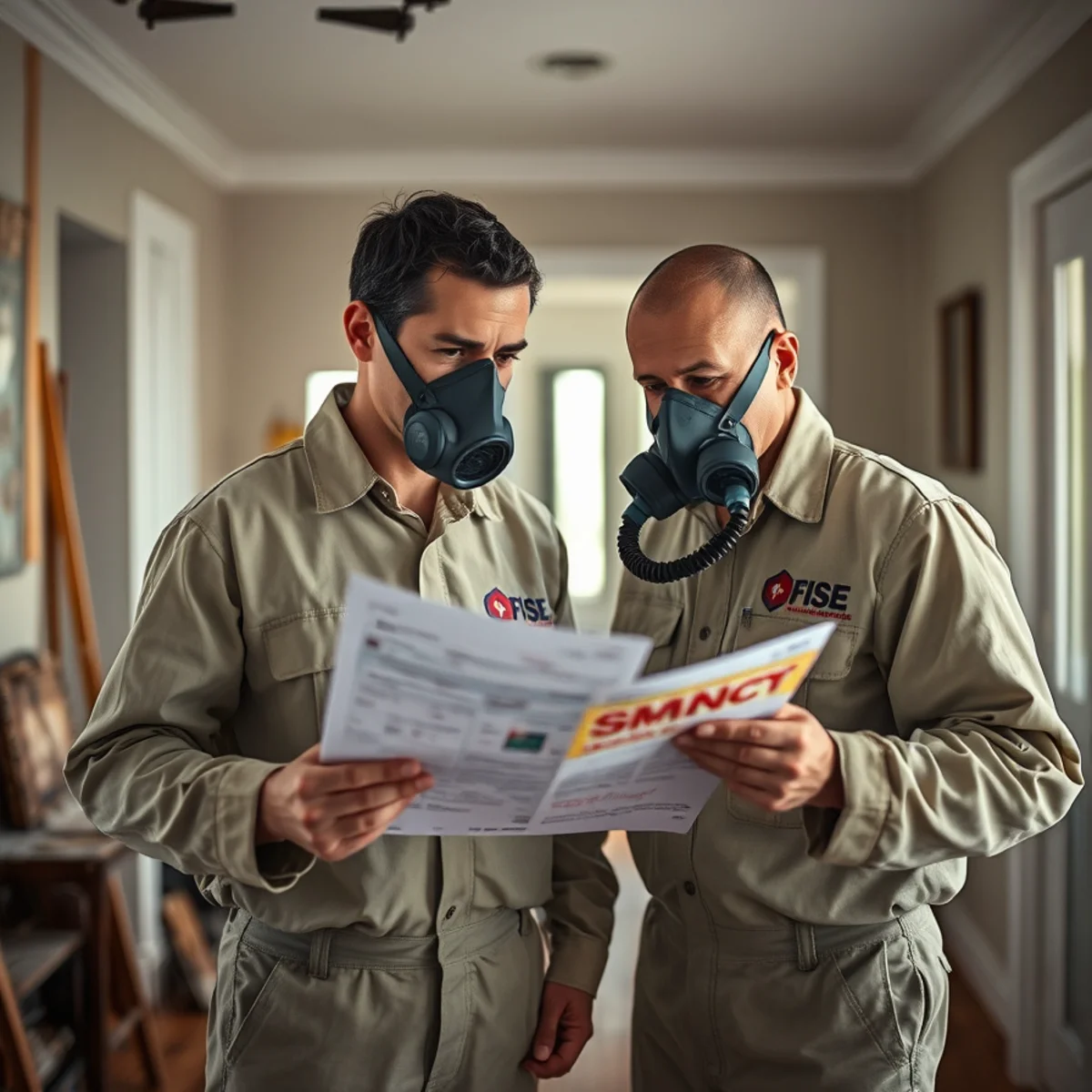
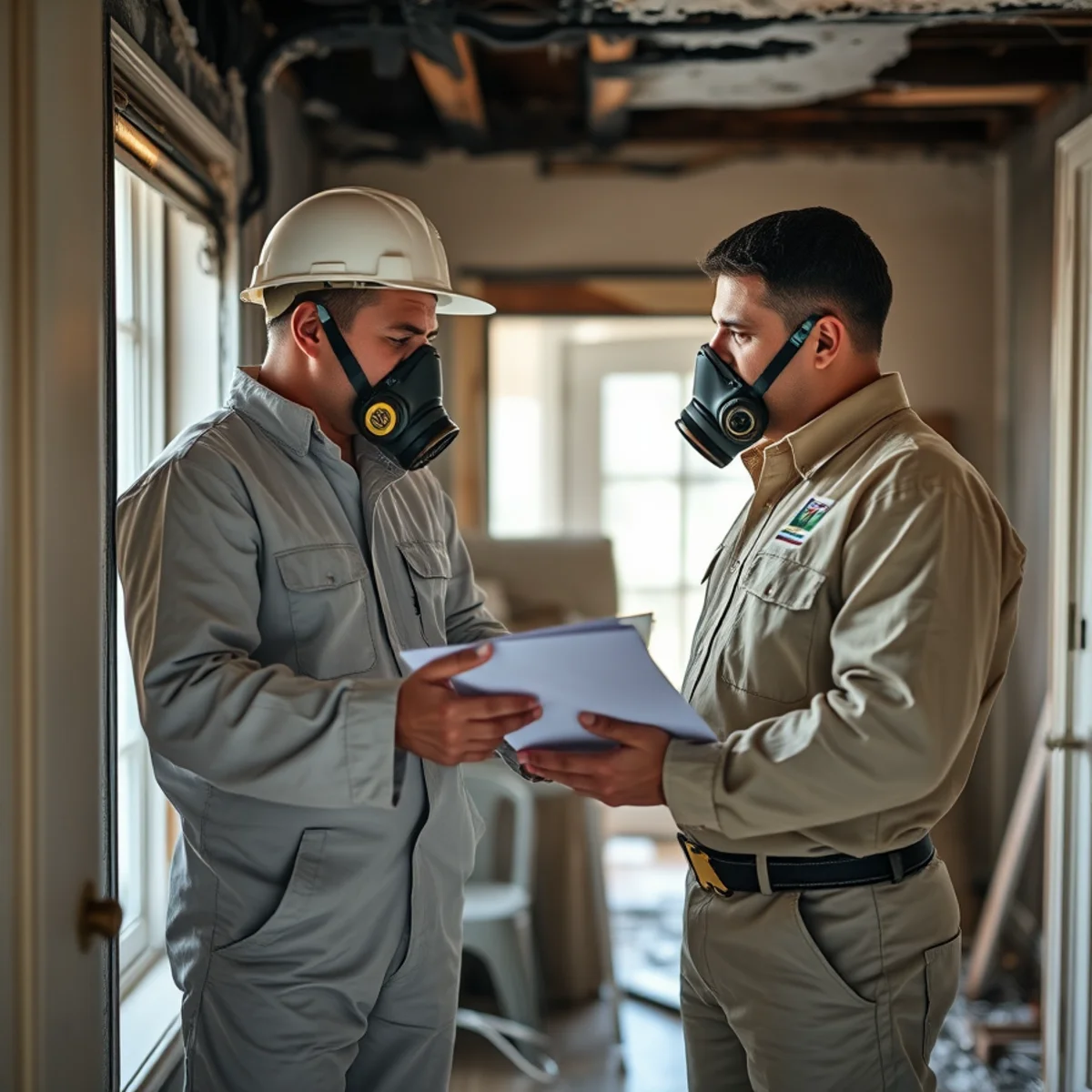
At some point after the cleanup, a bigger decision arrives: do you repair what is there, or tear it down and rebuild? It is part money, part structure, and part what your insurance will support. For some Atlanta fires, patching drywall and repainting is the whole job. For others, the framing is compromised and a rebuild is the honest answer.
This guide lays out how reconstruction costs work after a fire, what pushes a job from repair to rebuild, and how insurance shapes the decision.
Reconstruction is a separate phase from restoration
It helps to separate two things people lump together. Restoration is the cleanup: water extraction, soot removal, odor treatment, drying. Reconstruction is the rebuilding: drywall, flooring, cabinets, framing, roofing. Our fire damage reconstruction service handles that second phase, and it is usually the larger cost on a serious fire.
Total fire damage restoration in Atlanta averages around $44,633 and ranges from roughly $3,552 to $85,714. On heavier losses, reconstruction is the reason a job sits near the top of that range.
Repair versus rebuild: how the call gets made
The decision is not about how bad the house looks. Smoke-blackened walls can be dramatic and still only need cleaning and paint. The real questions are structural and financial.
- Is the framing, and are the load-bearing elements, structurally sound?
- How much of the home is affected, one room or most of the footprint?
- Is targeted repair actually cheaper than a clean rebuild of that section?
- Does bringing the home up to current code require major changes anyway?
- What does your policy support, and what is your dwelling coverage limit?
The general rule
As a rough rule, when the cost to repair approaches the cost to rebuild, or when the structure is compromised, a rebuild becomes the sound choice. When damage is contained and the bones are solid, repair wins.
That call should come from an assessment of what the fire actually did to the structure, not from how alarming the char and soot look on the surface. Two homes with identical smoke staining can land on opposite sides of this line once someone opens the walls.
What drives reconstruction cost
Labor leads the bill here as it does across fire work, typically 50 to 70 percent of the total. The rest tracks with materials, scope, and the finishes you are matching. Reconstruction is also where hidden damage tends to surface. Once walls come open, water that soaked into cavities during firefighting, or framing weakened by heat, can change the scope, so a reconstruction estimate sometimes grows as the true condition is exposed.
- Square footage and how much of it needs rebuilding
- Structural work: framing, roofing, and load-bearing repairs
- Finishes: matching original trim, hardwood, and cabinetry costs more than builder-grade
- Systems: rewiring, plumbing, and HVAC that the fire or water damaged
- Code upgrades required by permits once you open up the walls
The Marietta factor: matching what is already there
Marietta is the Cobb County seat, with a historic square and just about every housing era represented, from Victorian homes to brand-new infill. Reconstruction cost swings hard on which one you own.
On older intown Marietta homes, the driver is matching. Original trim profiles, plaster, and heart-pine floors are not off-the-shelf, and legacy wiring often has to be brought up to code once the walls are open. That is skilled, slower work. On newer construction, materials are standard and matching is easier, so a same-size repair often costs less. When we scope a Marietta rebuild, we price the home you actually have, not a generic square-foot average.
Where code upgrades come in
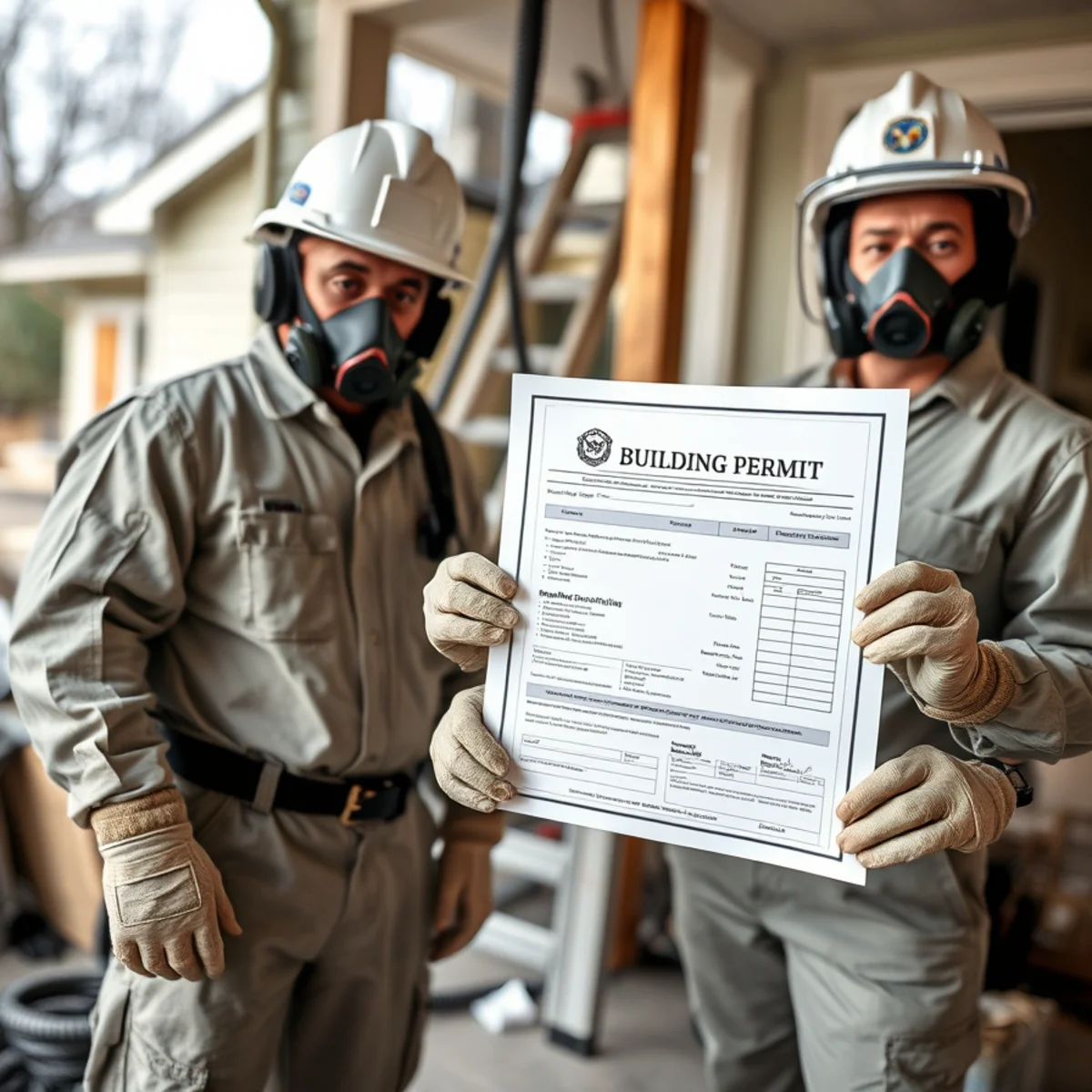
A fire rebuild is not always a like-for-like replacement. Once you pull permits and open walls, current building codes apply to the work you do. That can mean updated wiring, smoke alarms, or other changes that were legal when the home was built but are not the standard now.
Those upgrades add cost, and many policies include coverage that helps with code-required work, sometimes called ordinance or law coverage. Whether you have it, and how much, is on your policy, so check your declarations page. Our related guide on permits and codes when rebuilding in Fulton County goes deeper on the approval side.
How insurance shapes repair versus rebuild
Your policy is a major voice in this decision. Two numbers matter most: your dwelling coverage limit and whether you have replacement cost or actual cash value coverage.
Replacement cost coverage pays to rebuild without deducting for depreciation, up to your limit, which supports a proper rebuild. Actual cash value subtracts depreciation and can leave a gap on an older home. If a rebuild would exceed your dwelling limit, that shortfall shapes the plan. None of this is legal advice, so read your policy and talk to your carrier about your specific limits before committing to a direction.
Get a repair-versus-rebuild assessment
You should not have to guess whether your home needs a repair or a rebuild, and you should not accept a number without an assessment of what the fire actually did to the structure.
Fire Damage Atlanta scopes reconstruction across Marietta and the metro, handles the rebuild, and documents everything for your insurer. Call (866) 688-0301 for an honest read on repair versus rebuild and a clear written estimate.