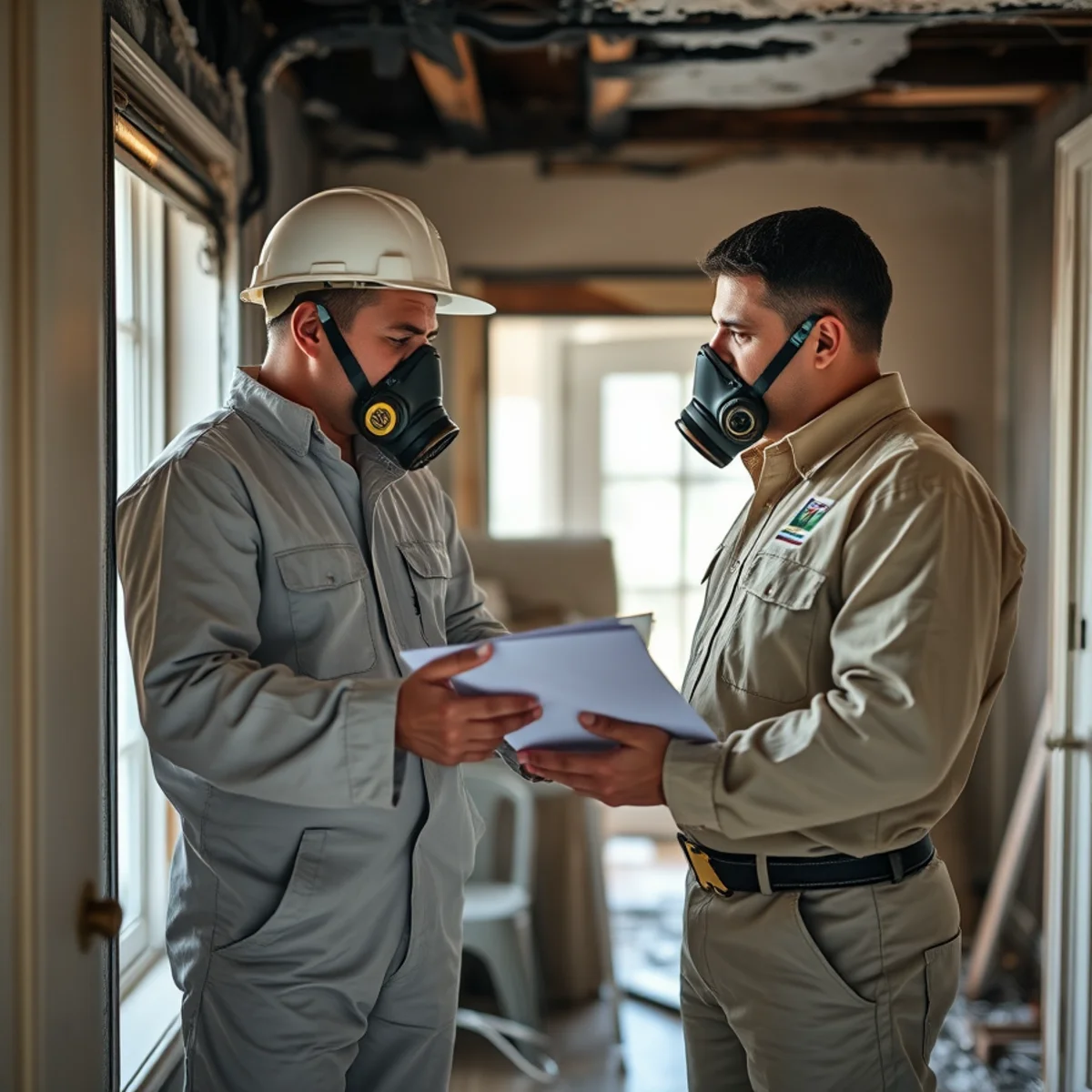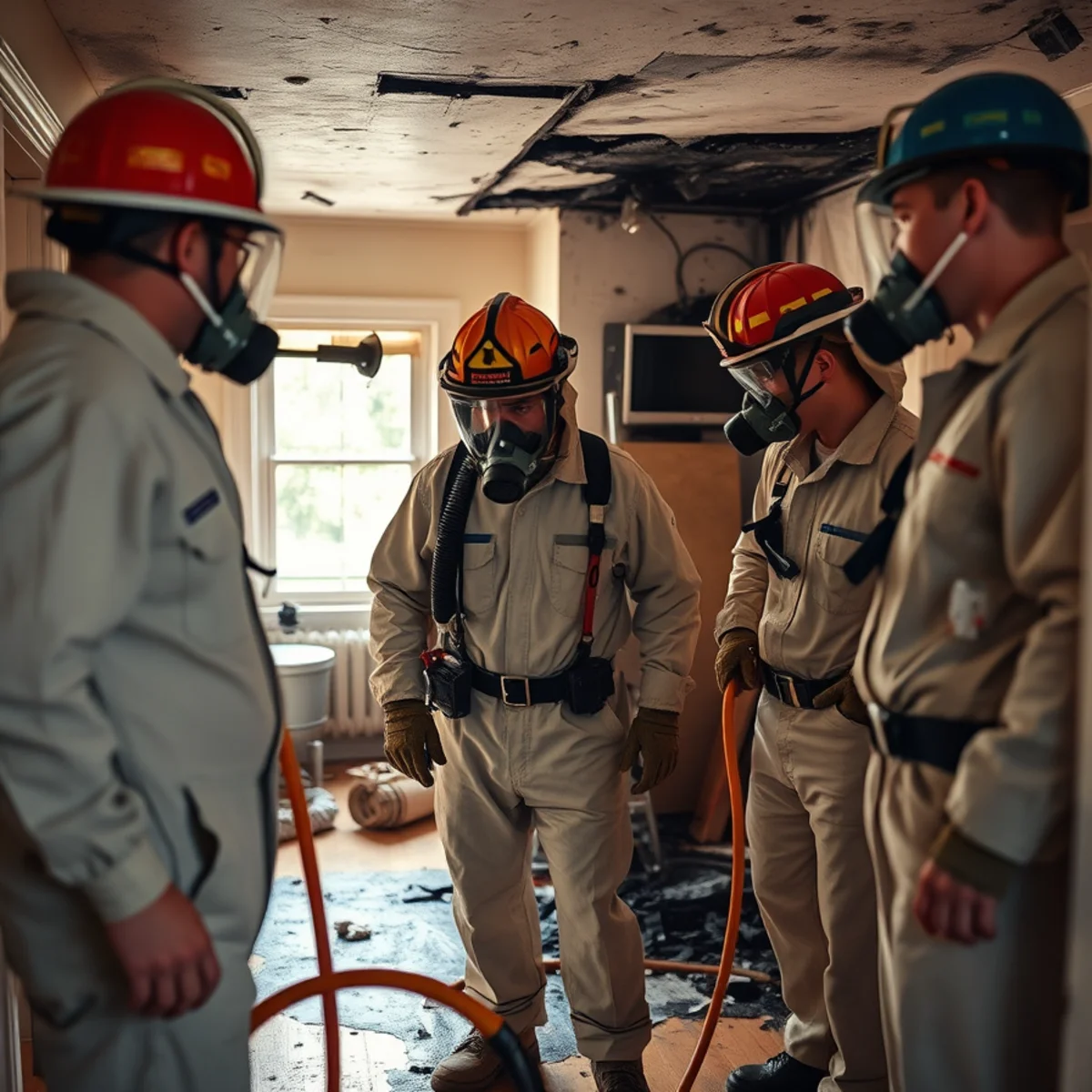
Rebuilding after a fire is not just construction. Before a single new stud goes up, the work has to clear a permit process, and when it is done it has to pass inspection. For a homeowner focused on getting life back to normal, that paperwork can feel like an obstacle. It is actually there to make sure the home you move back into is safe.
Understanding it early keeps a rebuild from stalling. In Fulton County, the details depend on exactly where your home sits.
Why a Fire Rebuild Needs Permits at All
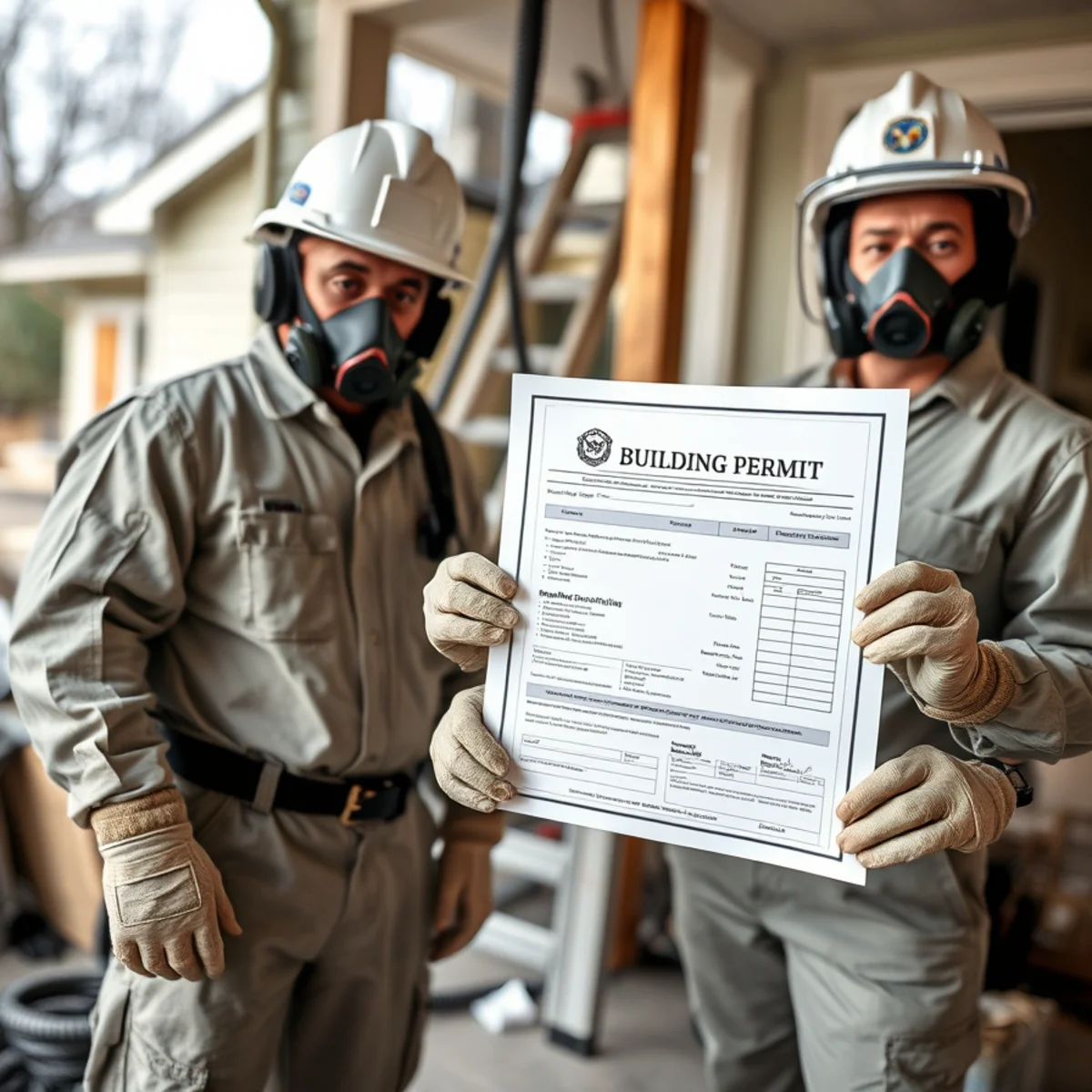
Minor repairs, like swapping drywall or repainting, often do not require a permit. A fire rebuild usually does, because it touches the things permits exist to govern: structure, electrical, plumbing, and mechanical systems. Reframing a wall, running new wiring, replacing a furnace, or rebuilding a roof all change parts of the home that affect safety, so the local building authority reviews and inspects them. Pulling the proper permits also protects you. Unpermitted work can surface later during a sale or an insurance dispute, and it can force you to tear out finished work to prove what is behind the walls.
Which Building Office You Deal With
Fulton County is not one permitting office, and knowing which one is yours is the first practical step. If your home is inside the City of Atlanta, permits go through the city's Office of Buildings. If you are in another Fulton municipality, such as Sandy Springs, Roswell, Alpharetta, or East Point, that city runs its own permitting. Only the remaining unincorporated pockets deal directly with Fulton County. The reconstruction team you hire should know which authority governs your address and handle the submissions, but it helps to know the process is local and jurisdiction-specific, not one countywide window.
The Permits a Rebuild Typically Involves
Depending on the extent of the damage, a fire rebuild commonly needs:
- A building permit for structural work, framing, roofing, and major wall or floor repairs.
- An electrical permit for rewiring, new circuits, or a panel replacement.
- A plumbing permit where water or gas lines are repaired or moved.
- A mechanical permit for HVAC, ductwork, and water heater replacement.
- Plan review for larger rebuilds, where drawings are submitted and approved before work starts.
Bringing an Older Home Up to Current Code
Here is the part that surprises homeowners most. When you rebuild, the portions you rebuild generally have to meet current code, not the code from when the house was built. Georgia adopts statewide minimum standard codes based on the national model codes, and local authorities enforce them. For an older home, that can mean hardwired, interconnected smoke and carbon monoxide alarms, grounded wiring with arc-fault and ground-fault protection, proper egress windows in bedrooms, and updated insulation, even if the original home had none of these.
This is a real issue across Fulton County, whose housing runs from 1890s intown Victorians to 1960s and 70s north-side ranches and estates. A century-old house rebuilt after a fire often comes back safer than it was, because the rebuilt sections meet modern standards. It also means the rebuild is not always a like-for-like replacement, which affects both cost and timeline.
Inspections and Your Certificate of Occupancy
Permitted work is inspected in stages. A rough-in inspection happens after framing, wiring, and plumbing are in but before the walls are closed, so the inspector can see what will be hidden. A final inspection follows once everything is finished. For a significant rebuild, the home is not officially ready to reoccupy until it passes final inspection and, where required, receives a certificate of occupancy. Building the inspection schedule into the project is part of why professional reconstruction moves faster than it looks from the outside. The work is sequenced around when inspectors need to see it.
Historic Districts and Atlanta's Older Neighborhoods
If your home sits in one of Atlanta's historic districts, there is an added layer. Exterior changes may need review by the Atlanta Urban Design Commission to keep the rebuild consistent with the district's character, which can affect materials and design on the outside of the home. Many of Fulton County's oldest and most storied neighborhoods carry these protections. It does not stop a rebuild, but it adds a review step worth planning for early, especially on visible exterior work like roofing, siding, and windows.
How Insurance Treats Code Upgrades
Meeting current code can cost more than simply replacing what burned, and standard policies do not always cover that gap by default. Many policies include, or offer, ordinance or law coverage, which pays toward the added cost of rebuilding to current code. It is worth checking your policy for this specifically, because without it the code-required upgrades can come out of pocket. This ties directly into the larger question of repair versus rebuild costs, which is worth reading alongside this if you are weighing your options. We document code-driven costs as part of the claim so they are not overlooked.
A fire rebuild in Fulton County runs on permits, inspections, and current code, and none of it has to be navigated alone. Our crews handle fire damage reconstruction across Fulton County and the City of Atlanta, pulling the right permits, sequencing inspections, and rebuilding to code as part of the same team that cleaned and dried the home. For questions about your specific situation, always confirm details with your local building department, and to get the rebuild moving, call (866) 688-0301.