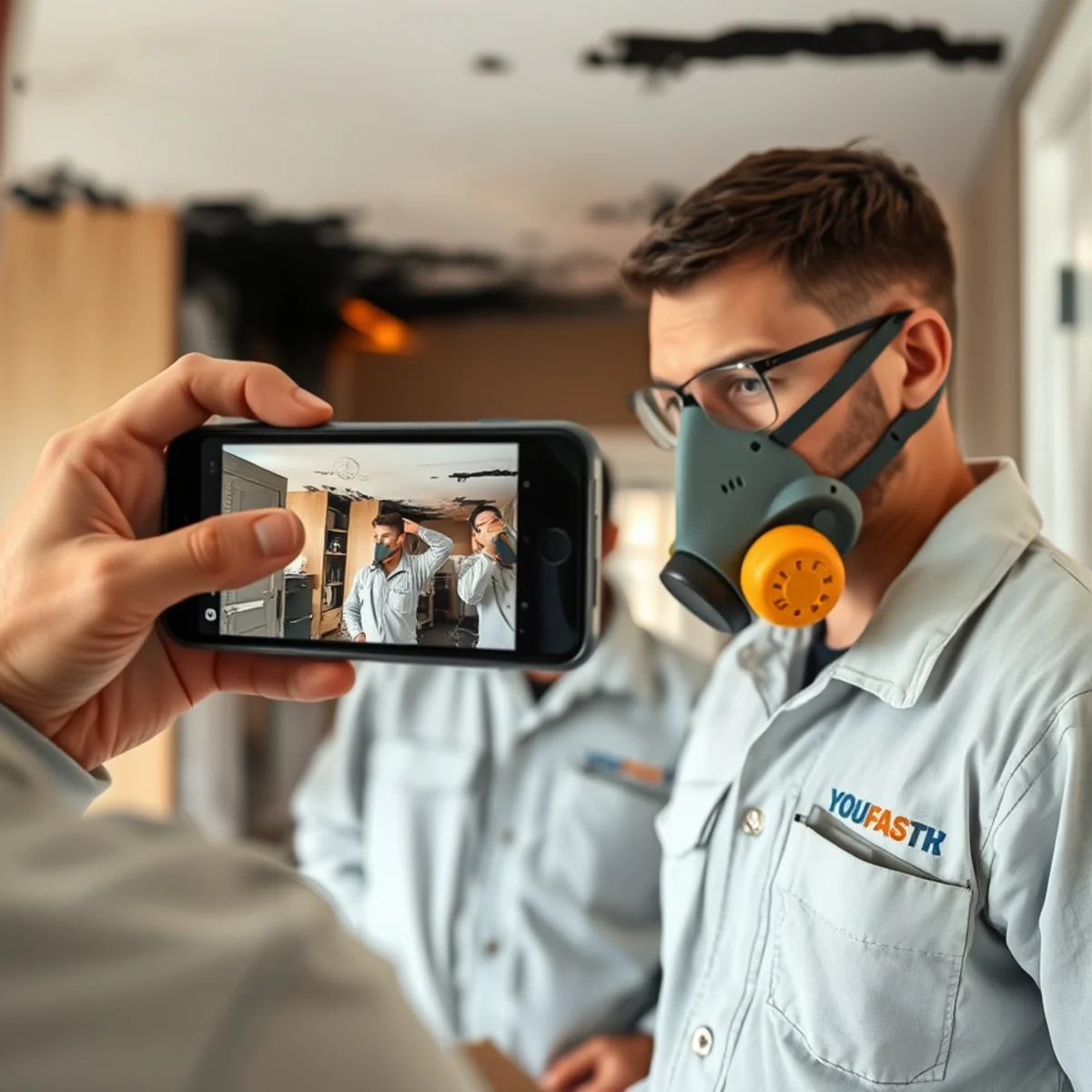

Once the claim is filed, the waiting starts, and it is one of the hardest parts. You want your home back and your life normal, and the timeline feels out of your hands. So here is a realistic picture. A simple smoke claim might settle in a few weeks. A total loss can take several months to a year. Most fall somewhere in between.
The length depends on the size of the loss, how well it is documented, and how responsive everyone is. A clean, well-documented claim on a small loss moves quickly. A disputed or complex one on a major loss does not. This guide breaks down the stages, the typical timing, what tends to stall a claim, and what you can do to keep things moving.
The stages of a fire claim
A fire claim is not one event. It is a sequence, and each stage takes time. Knowing the order helps you see what comes next instead of waiting blind, and it tells you which stage a delay is stuck in.
- First notice: you report the loss and get a claim number, often the same day
- Adjuster assignment and inspection: usually within days to a couple of weeks
- Scope and estimate: documenting the full damage, days to weeks
- Review and approval: the insurer evaluates the scope
- Payment: often in stages, starting with an initial advance
- Restoration and reconstruction: the physical work, weeks to months
Payment usually comes in pieces
One thing that surprises people: payment frequently arrives in stages, not as a single check. An initial advance may come early for immediate needs, with the balance released as work is documented and completed. Larger losses with a mortgage often route checks through the lender as well, which adds a step.
Knowing this up front helps you plan. The first payment is rarely the final number, so keep documenting through the whole project rather than treating the initial advance as the end of the process.
A realistic timeline by claim size
No two claims are identical, but these ranges reflect how most play out.
- Minor smoke or contained damage: often a few weeks from filing to settlement
- Moderate damage with reconstruction: roughly one to three months
- Major or total loss: several months, sometimes up to a year, especially with a rebuild
What Georgia rules say about timing
Georgia has consumer protections that push insurers to handle claims promptly, including acknowledging claims and responding within reasonable timeframes. The exact deadlines that apply depend on your policy and the situation, so ask your carrier to explain the specific timeframes for your claim. This is general information, not legal advice.
The practical takeaway: your insurer is expected to move, and you are within your rights to ask for status updates and expected dates in writing. If communication goes quiet for a stretch, a polite written request for a timeline usually restarts it, and it creates a paper trail if you ever need one. Georgia's Department of Insurance is the place to turn if a claim is genuinely mishandled, though most claims never reach that point.
What slows a claim down
When claims drag, it is usually one of a handful of reasons.
- Incomplete documentation, so the adjuster keeps asking for more
- Disputes over scope, when your estimate and the insurer's do not match
- Hidden damage found later, like water in wall cavities that molds within 24 to 48 hours
- A cause-of-loss investigation on larger or unclear fires
- Permit and inspection timelines during reconstruction
- Slow back-and-forth, when messages sit unanswered on either side
What speeds a claim up
You have more influence than it feels like. The claims that move fastest share a few habits.
- Thorough documentation from day one, before any cleanup
- A detailed, professional scope that matches the way adjusters estimate
- Fast responses to every request from your adjuster
- One organized point of contact coordinating restoration and paperwork
- Catching hidden water and structural damage early, so nothing reopens the claim later
The Smyrna angle: know your home's quirks
We serve Smyrna near Truist Park and the Chattahoochee, where the housing mix can add a wrinkle to timing. The Jonquil City has a lot of post-war ranches and heavy infill townhomes, and many 1960s and 70s builds carry aluminum branch wiring, a known fire risk.
When older wiring is part of the cause or the repair, expect a code review during reconstruction, which can add time. Townhomes bring the shared-wall question, where smoke crossing into a neighbor's unit turns one claim into several, each on its own timeline. Knowing these quirks up front helps set realistic expectations before the clock starts.
Keep your claim moving
The single best thing you can do for your timeline is document thoroughly and get a professional scope early. The rest is staying responsive and organized, and that is where our fire damage insurance claims service carries the load with you, handling the documentation and billing your carrier directly. If you are just getting started, our companion guides on how to file a fire claim in Atlanta and covering additional living expenses while you are displaced pair well with this one.
Fire Damage Atlanta documents fire losses, scopes the full damage, and bills carriers directly for homeowners in Smyrna and across the metro. Call (866) 688-0301 to get your claim moving.