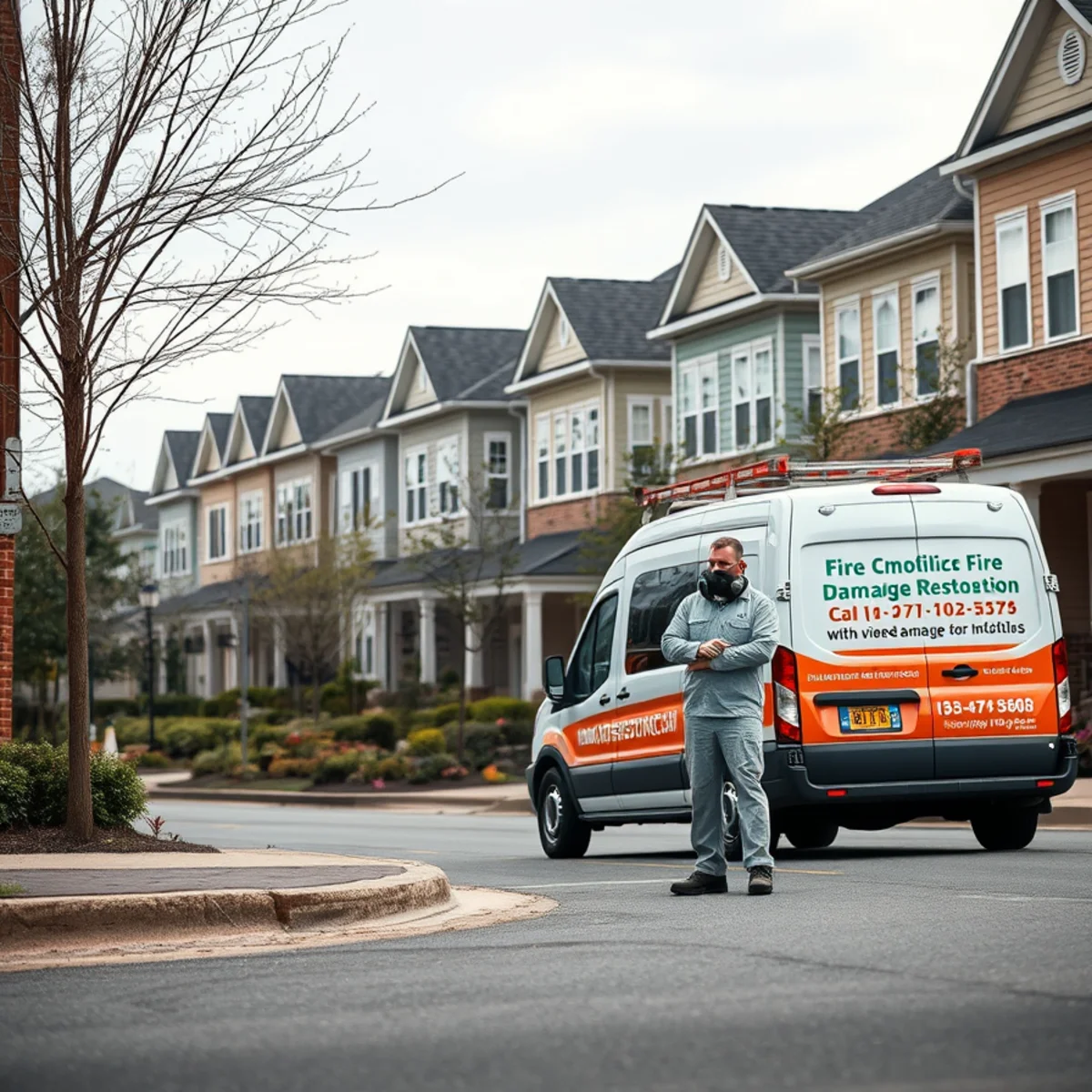
Smyrna sits near Truist Park and the Chattahoochee, a mix of long-standing ranch neighborhoods and fast-rising townhome infill. A fire in either can escalate quickly, and the first hours are when soot and water do the most harm. We respond 24/7 and reach Smyrna by way of I-75 and the Cobb Parkway corridor.
Call (866) 688-0301 for a live voice on the line and a dependable window for our arrival. Our crews secure the property, shut off the HVAC so smoke stops circulating, and photograph the damage before any cleaning begins. From the first call, you are dealing with a crew that knows the difference between a ranch rewire and a townhome smoke-spread job.
Common fire risks in Smyrna
Smyrna earned the nickname the Jonquil City, and its older core is full of post-war ranches from the 1950s through the 1970s. Many of those homes were built with aluminum branch wiring, a known fire risk, since the connections can loosen and overheat at outlets and switches over the decades. Around and between them, developers have added dense townhome and attached-home infill, especially near Truist Park and the Battery.
Each type fails differently. In the ranches, it is the aluminum wiring and aging panels that most often start fires. In the attached townhomes, the bigger danger is spread: shared attics and common walls let one unit's fire push smoke and soot into its neighbors. We clean soot before it etches, dry out hose water before mold sets in, and, in attached buildings, treat every affected unit rather than only the one that burned. The pace of redevelopment near the Battery also means older ranches and brand-new stacked units can share a single block, each with its own failure mode.
Why a local Atlanta crew matters here
We work all of Smyrna, from the ranch streets off Concord Road and Spring Road to the townhomes and shops near the Market Village, Truist Park, and the Chattahoochee. The I-75 and Cobb Parkway corridors keep our crews moving through the city at any hour.
On a recent call, a loose aluminum-wire connection at an outlet in a 1970s ranch near Concord Road overheated and ignited the wall. The fire was small, but soot spread down the hallway and the hoses left the floor wet. We boarded the opening, shut the HVAC down, and set drying equipment before mold could start, then cleaned the soot before it set into the paint. The wiring was documented for the insurer and the connections rebuilt to code. Aluminum-era wiring is a recurring cause of fires in Smyrna's ranches, and we handle both the damage and the underlying hazard. When the loss involves attached units, we document each home on its own so the neighbors' separate policies and the association all have what they need.
What we check first in a Smyrna ranch
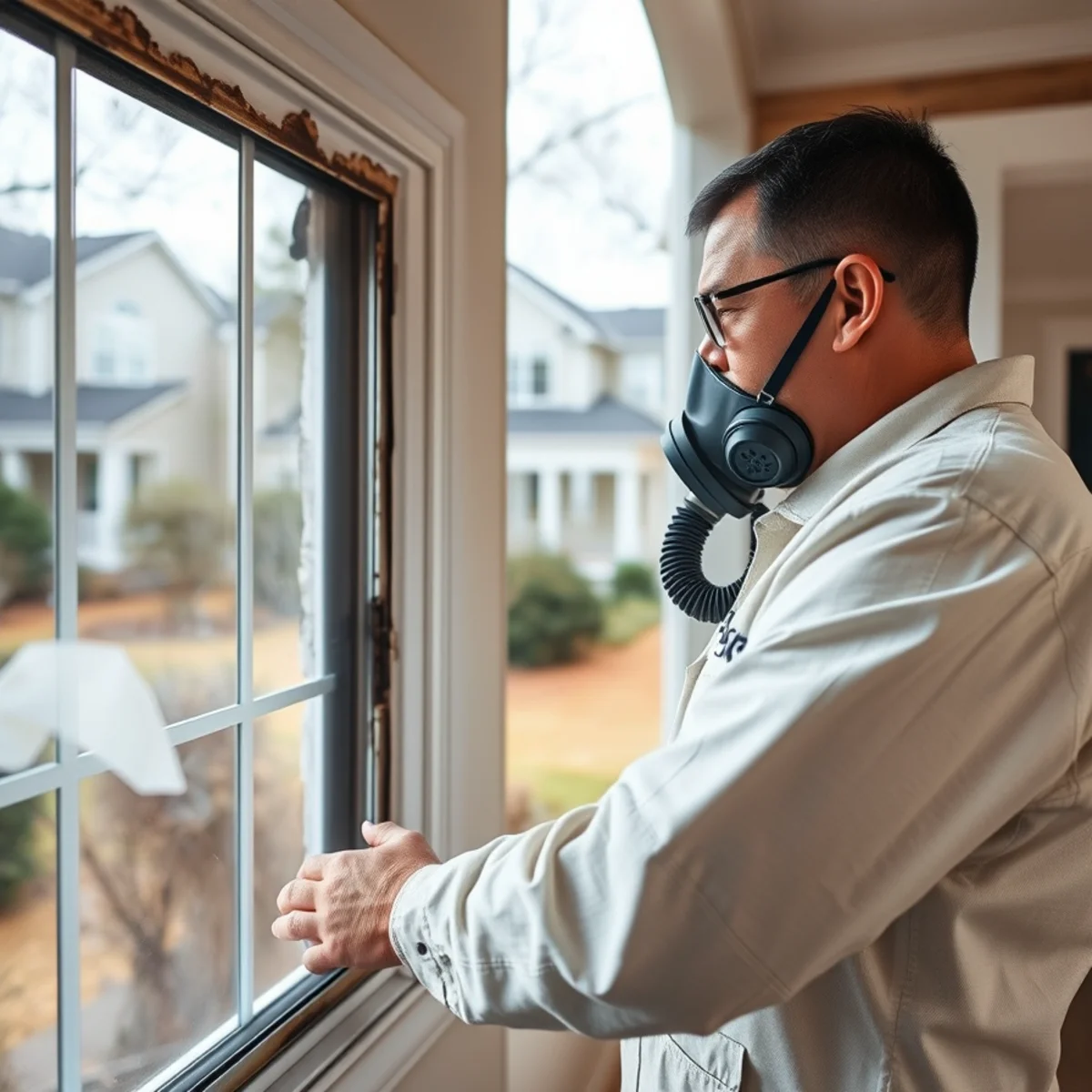
Before any cleaning starts in a post-war ranch off Concord or Spring Road, we walk the whole house and read what the fire did. Safety comes first: we confirm the structure is stable and the power is handled, then shut the HVAC down so it stops pulling smoke through the home. From there we trace the origin, often an electrical fault at an outlet or in the aging panel, and follow the smoke's path room by room rather than assuming it stayed near the flames.
A single-story ranch shares one attic over the entire footprint, so we check up there early, along with the ductwork and the far bedrooms where soot settles out of sight. We map the firefighting water with moisture meters, because a slab or crawlspace ranch hides water under floors and behind baseboards. All of it is photographed and documented before a single surface is cleaned, so the insurance record reflects the full loss. That first careful walkthrough is what keeps the far end of the house from being missed.
Where the water goes in a Truist Park townhome fire
The attached townhomes that have filled in around Truist Park and the Battery share walls and floors, and that changes what firefighting water does. Water used to knock down a fire on an upper floor does not stay put. It runs down inside the shared wall assemblies, through the floor into the unit below, and along the framing into the neighbors on either side, so a household that never saw flames can still end up with soaked ceilings and walls. Left wet, those cavities grow mold within a day or two.
We extract the standing water fast and then follow it, mapping moisture in the shared walls and the units below and beside the fire with meters rather than assuming the damage stopped at the burned unit. Drying equipment goes into every affected space, and we monitor until the shared assemblies are genuinely dry. Each unit is documented on its own, so the separate owners, renters, and the association's policy all have the record they need. In attached construction, chasing the water is as much of the job as cleaning the soot.
Our fire damage services in Smyrna, GA
Fire, electrical, and smoke restoration for Smyrna's ranches and townhomes near Truist Park:
Fire Damage Restoration
Complete recovery after a house fire: emergency response, smoke and soot removal, structural drying, and full reconstruction.
Learn moreElectrical Fire Damage Repair
Restoration after wiring, panel, and knob-and-tube fires — common in Atlanta's pre-war bungalows and mid-century ranches.
Learn moreApartment & Condo Fire Restoration
Coordinated restoration for unit owners, HOAs, and property managers — including smoke migration across shared walls and attics.
Learn moreSmoke Damage Cleanup
Smoke residue removed from walls, ceilings, HVAC, and contents — before it etches surfaces and sets odor permanently.
Learn moreSoot Removal
Dry and oily soot cleaned from walls, ceilings, brick, and fixtures with surface-specific methods that never smear or set stains.
Learn moreEmergency Board-Up & Tarping
Plywood board-up of windows and doors, roof tarping, and temporary fencing to protect your property and your claim.
Learn moreServing Smyrna 24/7 from Downtown Atlanta
Fire Damage Atlanta
191 Peachtree St NE, Atlanta, GA 30303
Open 24 hours — 7 days a week
Why Smyrna homeowners call Fire Damage Atlanta
When fire strikes in Smyrna, GA, you want a local crew that answers, arrives fast, and handles the whole recovery — from board-up to the final rebuild.
- Fast, local responseWe're about 20 minutes northwest up I-75 from our Downtown Atlanta base, so a crew reaches Smyrna quickly — 24/7, with a real ETA.
- IICRC-certified & insuredLicensed and insured in Georgia, with trained fire and smoke restoration technicians on every job.
- We know Smyrna's homesLocal housing carries its own fire risks, and we restore Smyrna properties with that in mind.
- Insurance handledWe document the loss, scope it to your carrier's requirements, and bill your insurer directly.