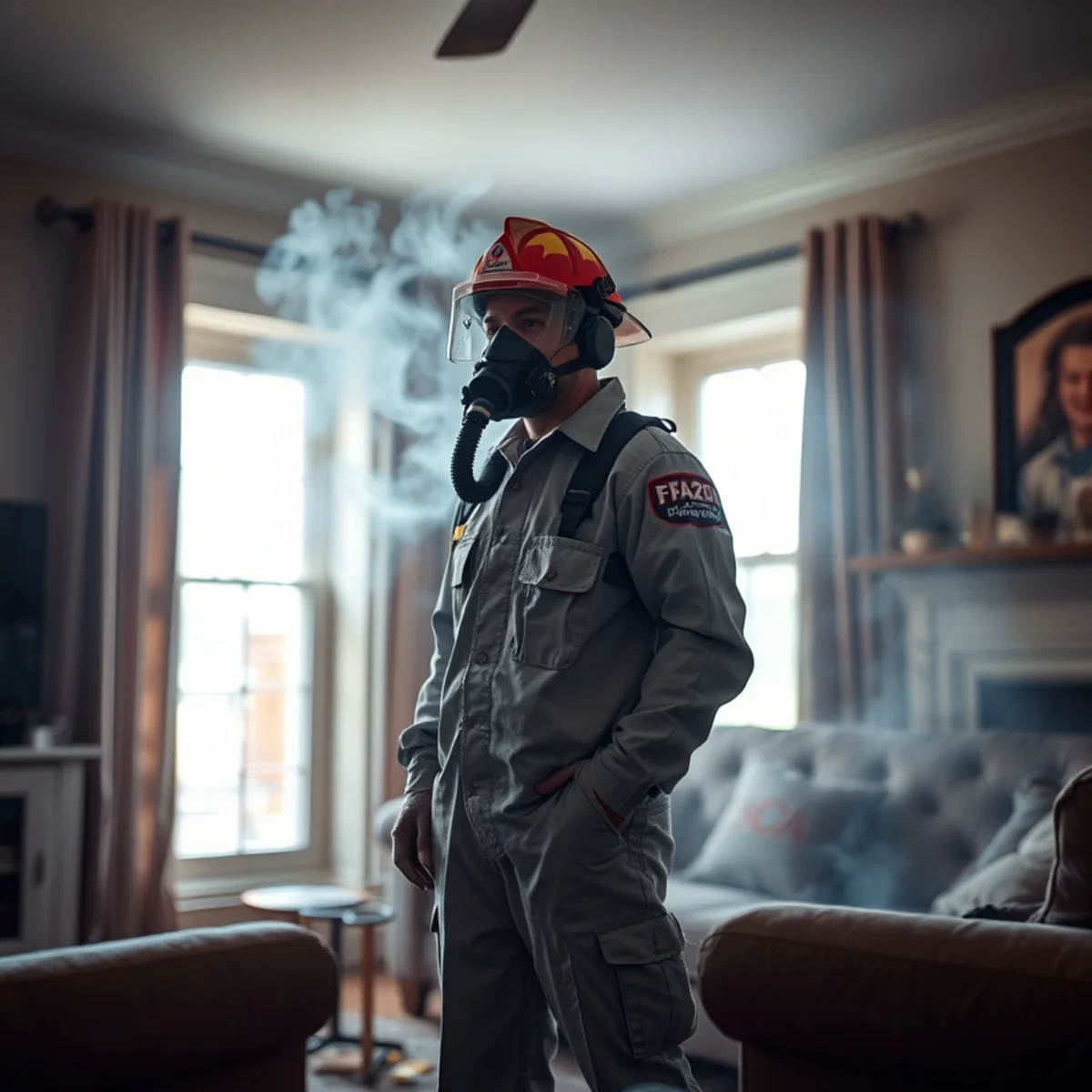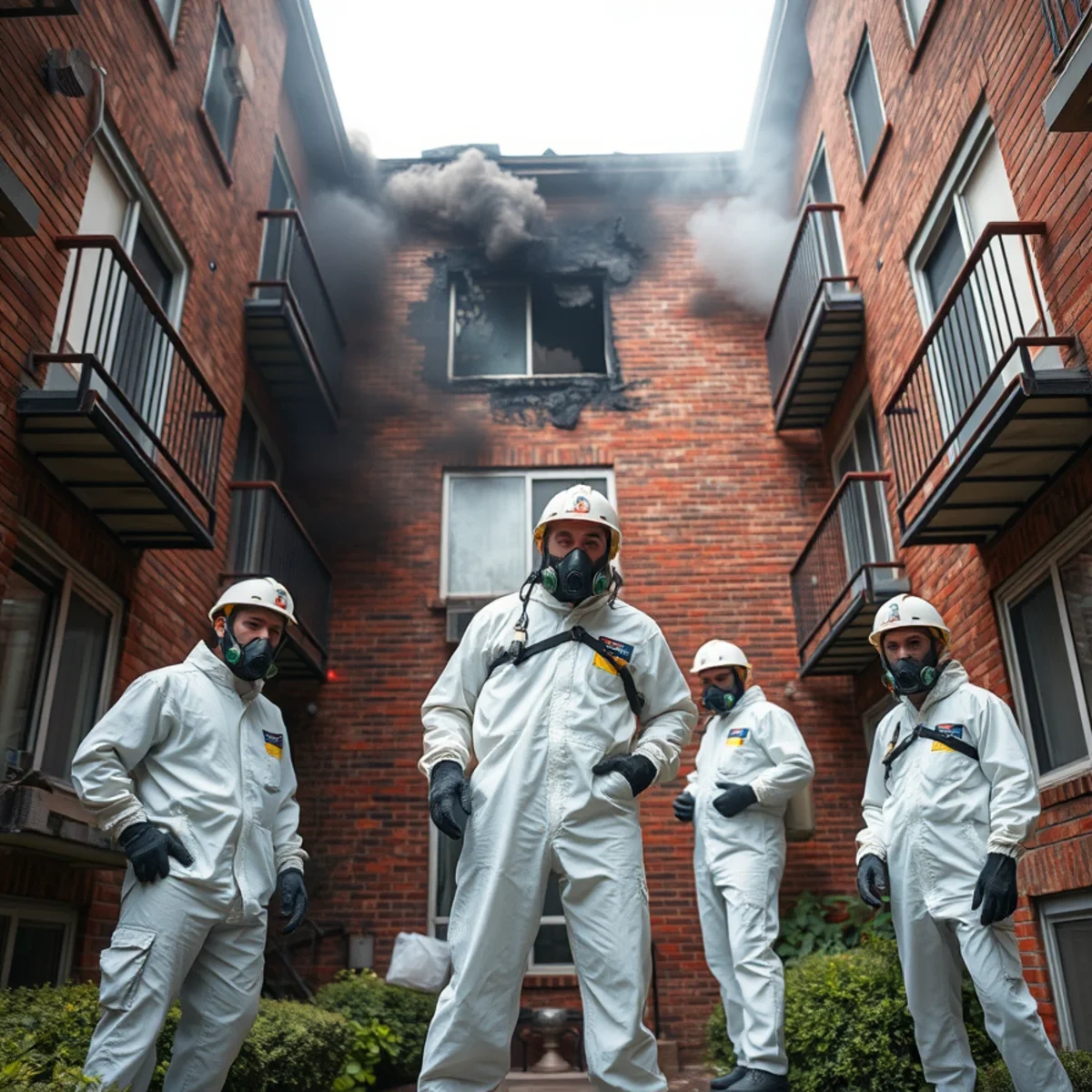
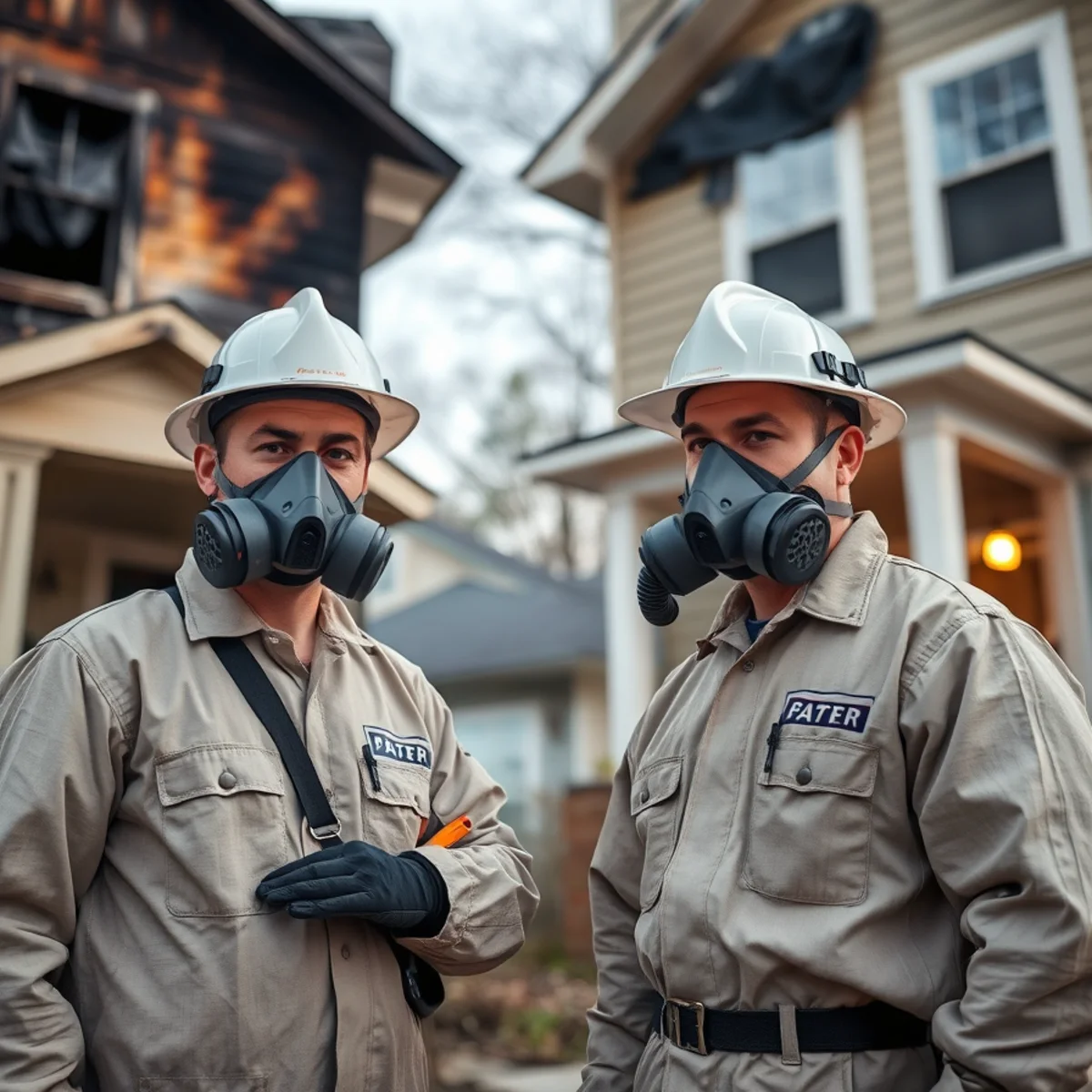
Your house did not catch fire. Your neighbor's did. But the smoke drifted, and now your siding is streaked with soot, your attic smells like a campfire, and there is a gray film on everything near the windows that faced the blaze. This happens more than people expect, especially where Atlanta homes sit close together. Here is how to handle damage that came from someone else's fire.
If a neighbor's fire reaches your home
Smoke and soot don't respect property lines. Protect yourself:
- Document smoke, soot, and water damage in every affected room before touching anything.
- File with your own insurer first — they can pursue the at-fault party through subrogation.
- Don't wait for a fault determination; damage worsens while liability is sorted out.
- Get an odor and air-quality assessment, since smoke travels farther than it looks.
- Keep all records, receipts, and correspondence in one place for the claim.
First: Is It Safe to Be Inside Your Own Home
Before anything else, judge whether your house is safe to occupy. If soot and smoke got inside, the air quality may not be good for kids, older adults, or anyone with asthma, and that lingering smell is fine particulate you are breathing. If the neighboring fire was close enough to scorch your exterior or crack windows from the heat, have the structure looked at. We have a separate guide on whether it is safe to sleep in a house after a fire that walks through the air-quality questions in detail. When in doubt, spend the night elsewhere.
How a Fire Next Door Reaches Your House
Smoke and soot travel, and they do not stop at the property line. Radiant heat from a nearby fire can blister paint and crack glass without a single flame touching your wall. Soot rides the wind and settles on siding, into gutters, and through any opening: attic vents, a cracked window, a running HVAC intake. Once it is inside, it behaves exactly like smoke from your own fire, coating surfaces and working into fabrics and insulation. The fire was theirs. The smoke damage is now yours to clean.
Shared Walls Make It Worse
If you share a wall, the exposure is higher still. Atlanta's intown townhomes, duplexes, and row-style houses have common walls and connected attics, so a fire in the attached unit pushes smoke and heat straight into yours through the shared structure. Even with a fire-rated party wall, soot works through outlets, gaps around plumbing, and the roofline where the attic runs unbroken. Treat an attached-unit fire as if it reached your walls, because in terms of smoke it usually did, and scope your side fully rather than assuming the shared wall stopped everything at the property line.
Turn Off the HVAC and Leave the Soot Alone
Two quick moves protect you. If your system was running while the fire burned next door, shut it off so it stops pulling outside smoke into your ducts and spreading it room to room. And do not wipe the soot you find. It is acidic and it sets into surfaces within hours, so a well-meaning scrub with a rag grinds it in and turns a cleanable wall into a stained one. Leave it for proper smoke damage cleanup, which lifts soot without smearing it.
Whose Insurance Actually Pays
Here is the part everyone asks about. In most cases you file with your own homeowners or renters insurance first, because your policy covers smoke and soot damage to your property regardless of where the fire started. Your insurer may then pursue the at-fault neighbor's carrier to recover costs, a process called subrogation, but that happens in the background and is their job, not yours. Do not wait to sort out blame before acting. Waiting only lets acidic soot do permanent damage while fault gets argued. Open your claim, document, and get the cleanup moving.
Document Your Damage Separately
Because the fire was next door, your own record matters even more. Photograph your exterior walls, windows, roof, and gutters, and every interior surface where soot settled, before cleanup. Note the date and the neighboring fire in your claim. If the fire department responded, the incident report establishes what happened. Keep your documentation independent of your neighbor's, because you are running your own claim on your own timeline.
Close Lots Make Grant Park Especially Exposed
Some Atlanta neighborhoods are built for this problem. Grant Park's Victorian and Craftsman homes near Zoo Atlanta sit on narrow lots with small side setbacks, sometimes just a few feet between one house and the next. That closeness is part of the neighborhood's charm and part of its risk: when one home burns, the houses on either side can take heavy smoke and soot exposure without ever catching fire. A recent call on a tight Grant Park block brought us to a home whose only fire was the one two doors down, yet its eaves, attic, and street-facing rooms all needed soot cleanup. If your block is that close, assume your home was exposed and check carefully.
What Smoke Damage Cleanup Involves
Cleaning up after a neighbor's fire is real restoration work, not a weekend wash. We test surfaces to see what cleans and what replaces, remove soot from siding, brick, and interior finishes with the right method for each material, clean or launder affected contents, and neutralize odor at its source rather than masking it. If soot got into your attic insulation or ductwork, that gets addressed too, because that is where the smell hides and keeps coming back from.
We Handle Your Side of a Fire You Didn't Start
You should not be stuck cleaning up a fire that was not yours with a rag and a bucket. We provide smoke damage cleanup across Atlanta, document everything for your claim, and bill your insurer directly, so your out-of-pocket stress stays low. Whether you are in Grant Park or anywhere in the metro and your home caught the damage from next door, call (866) 688-0301. A live responder answers any hour and sends a crew to assess it.