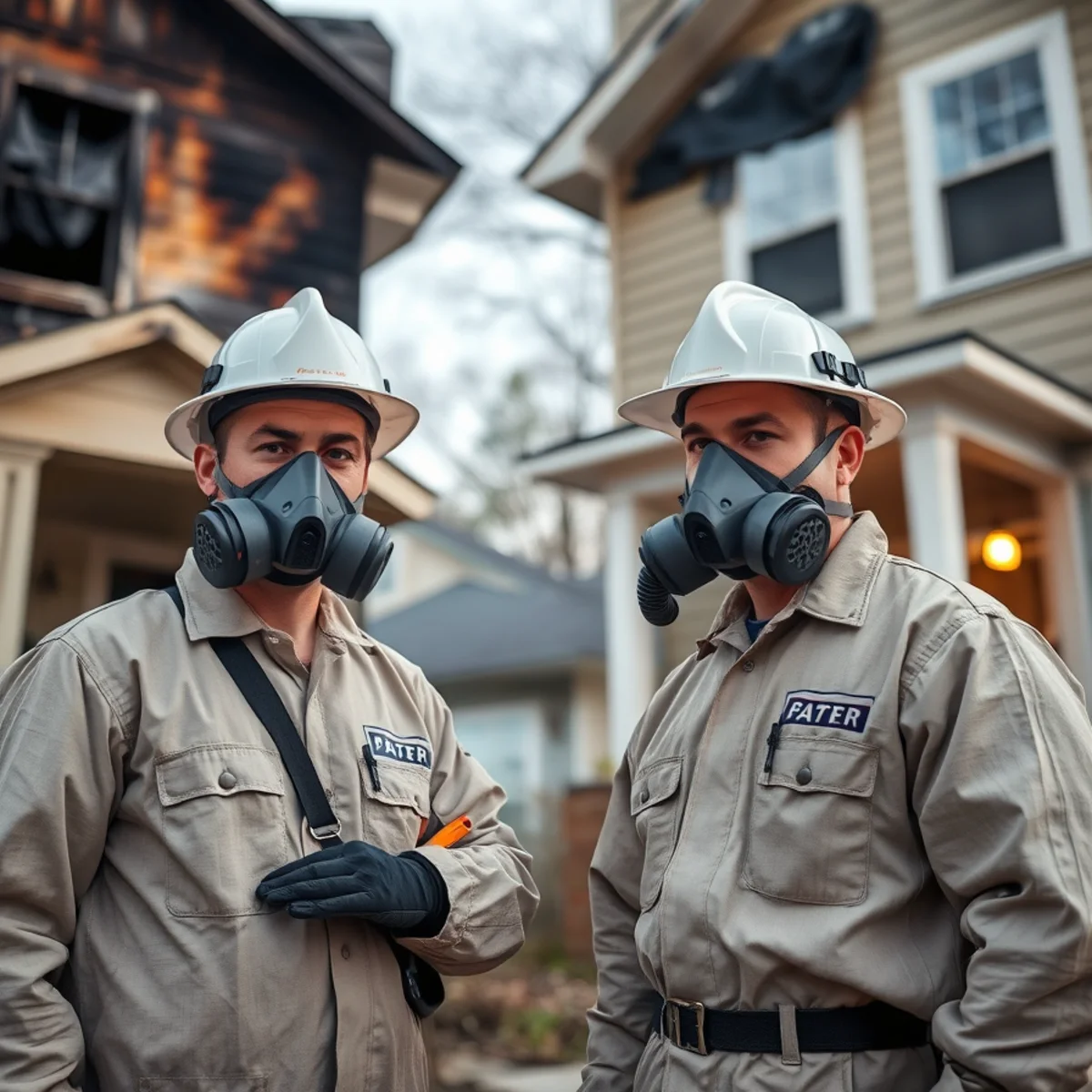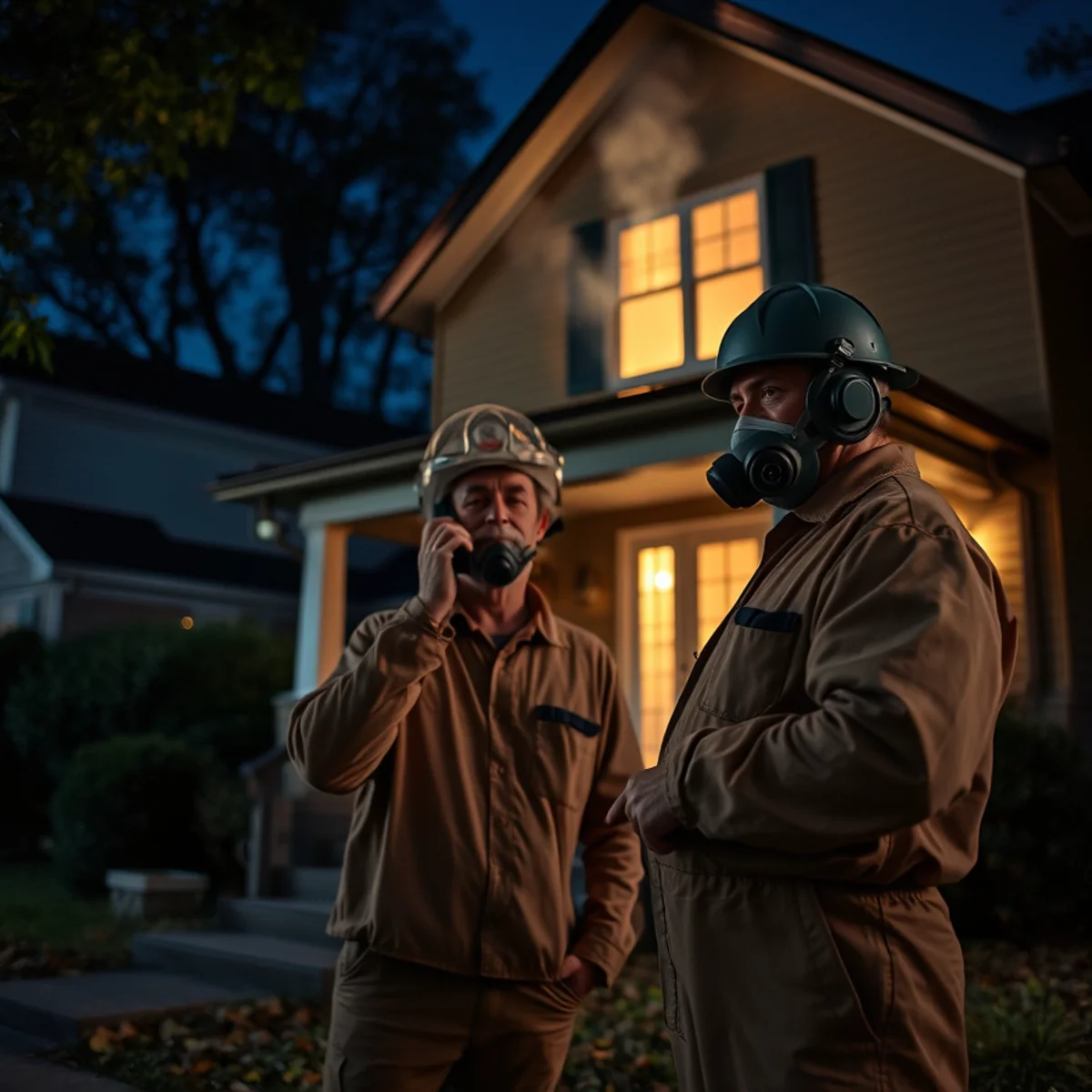
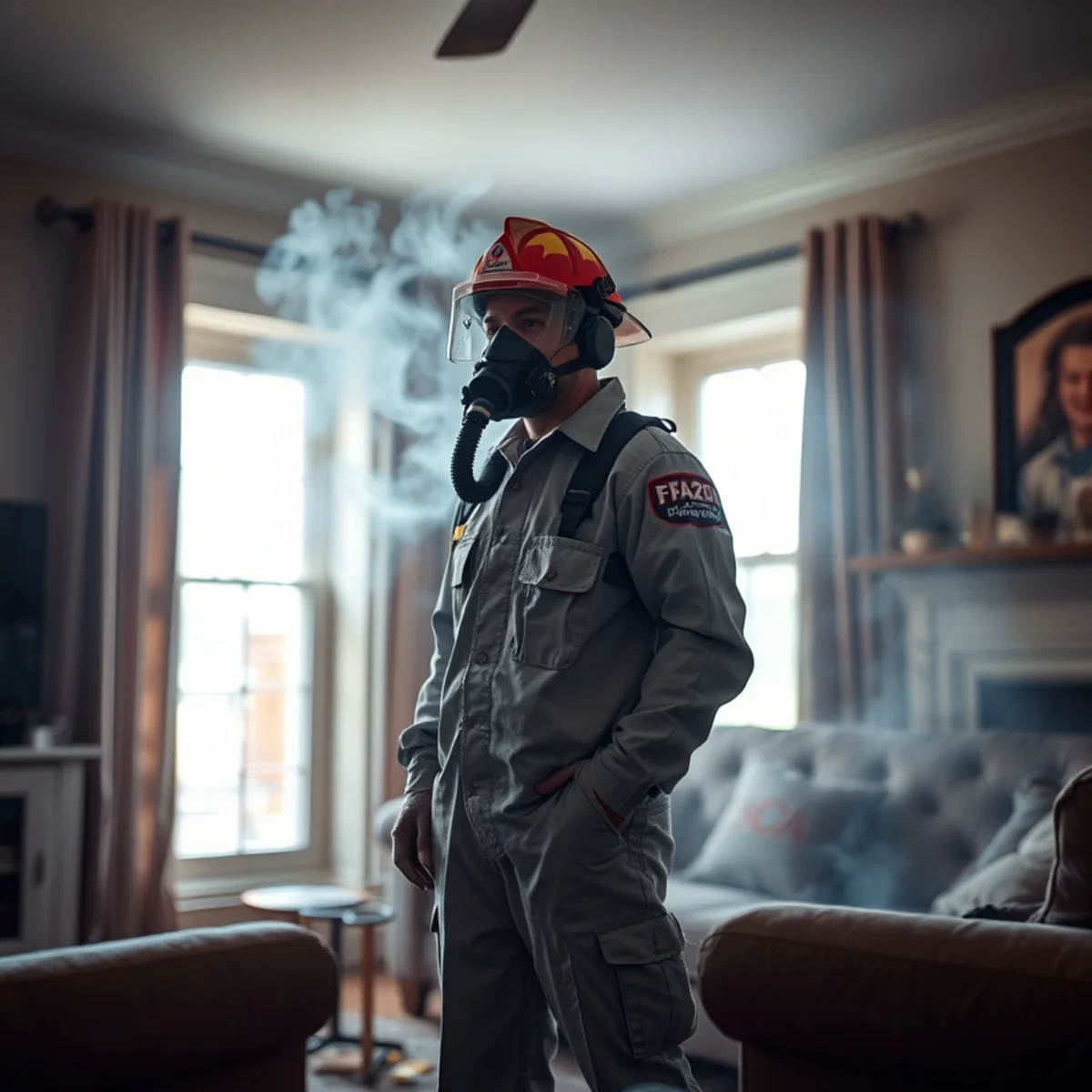
It was a small fire. You put it out, or the fire department did, and the flames were gone in minutes. Now it is late, everyone is tired, and the question is simple: can we just sleep here tonight? It is a fair question, and the honest answer is that it depends. A small fire can leave behind things you cannot see that make staying a bad idea. Here is how to judge it.
Three Questions That Decide It
Whether a home is safe to sleep in after a fire comes down to three things: is the structure sound, is the air safe to breathe, and are the utilities safe to use. A fire can compromise any of the three even when it looks minor. If you cannot answer yes to all three with confidence, the safe move is to stay somewhere else for the night. No belonging and no convenience is worth a carbon monoxide risk or a wall cavity that is still smoldering.
What Smoke Leaves in the Air
Even a small fire fills a home with fine smoke particles and gases that linger long after the visible smoke clears. Breathing them overnight can irritate the eyes, throat, and lungs, trigger asthma, and hit children, older adults, and anyone with heart or respiratory conditions the hardest. That campfire smell is not just unpleasant, it is particulate settling in your airway. If the smell is strong enough to notice constantly, the air is not where it should be for sleeping.
Pets Are Even More at Risk
Do not judge the air only by how you feel. Pets are more vulnerable to smoke than people are. They have smaller lungs and faster breathing, and cats and dogs spend their time low to the floor where soot and heavier particles settle. Birds are especially sensitive and can be harmed by air that seems only faintly smoky to you. If you are weighing whether to stay, factor in every member of the household, including the ones on four legs. A pet that seems lethargic, is coughing, or will not eat after a fire needs a vet, not a wait-and-see night.
Clear Signs You Should Not Stay
Some signs are non-negotiable. If any of these are present, sleep elsewhere:
- A persistent smoke smell that makes your eyes or throat burn
- Visible soot on walls and ceilings, or haze still settling out of the air
- Any charring around outlets, switches, or the electrical panel
- Firefighting water soaked into floors, walls, or ceilings
- A carbon monoxide alarm sounding, or no working alarm at all
- Any part of the structure that looks sagging, cracked, or unstable
Why the Flames Being Out Is Not the Whole Story
A fire being extinguished does not mean the hazards left with it. Soot is acidic and keeps damaging surfaces for hours, and it settles into bedding and clothing you would be breathing against all night. Firefighting water may be soaking into the structure, starting the mold clock. And smoke can hide in wall cavities where a small flare-up could still be smoldering. This is why the fire department assesses a home before releasing it, and why you should not re-enter to stay until they have.
The Electrical Question, Especially in Older Decatur Homes
If the fire was electrical, or if it touched wiring, outlets, or the panel, do not sleep in the house until an electrician or the fire department has cleared the system. Damaged wiring can start a second fire hours later. This matters more in Decatur's pre-war homes around the downtown square, where original-era wiring and masonry fireplaces are common and already carry higher electrical and chimney fire risk. In those houses, a fire that seems out can leave compromised wiring behind a wall you cannot inspect. When wiring is involved, lean hard toward leaving.
If You Decide to Stay Anyway
Sometimes the fire really was tiny and contained, the department has cleared the home, and staying is reasonable. If so, keep to rooms with no smoke smell, ventilate with open windows and fans if the weather allows, keep working smoke and carbon monoxide alarms nearby, and sleep away from any water-damaged or sooty area. If the smell creeps back, or anyone wakes with a headache or a scratchy throat, leave and do not talk yourself out of it. Your family being safe outweighs the convenience of a night in your own bed, and the house will still be there tomorrow.
Why the Smell Won't Just Fade
Here is the part that decides the next few days. Smoke odor does not air out on its own, because it embeds in drywall, fabrics, carpet, and the HVAC. Candles and sprays only mask it, and it returns. Real smoke odor removal uses methods like thermal fogging, ozone, and hydroxyl treatment that neutralize the odor at its source. Until that is done, the house will keep smelling like the fire, which is usually the clearest sign it is not yet a healthy place to sleep.
Not Sure? Let Us Check Before You Stay
If you are standing in a hazy living room at midnight genuinely unsure whether it is safe, that uncertainty is your answer for tonight: sleep somewhere else and get the home assessed. We respond 24/7 across Decatur and metro Atlanta, evaluate the smoke and soot, run professional smoke odor removal, and get your home back to a place where sleeping in it is not a question. Call (866) 688-0301 and a live responder will help you decide the safe next step.