The fire is out. Atlanta Fire Rescue has rolled up the hoses, the trucks are pulling away, and you are standing in the yard trying to think straight. That is the hardest moment. What you do over the next 24 hours has more effect on how much of your home you save than almost anything that happens later. Soot keeps working long after the flames stop, water keeps soaking into your floors, and the clock on your insurance claim has already started. This guide walks you through it in order, calmly, one step at a time.
Your first-24-hours checklist
If you do nothing else tonight, work through these in order:
- Call your insurer and a restoration company right away — soot sets within hours.
- Do not touch or wipe soot-covered surfaces; wiping smears it and sets stains for good.
- Turn off the HVAC so it stops pulling smoke and soot through the whole house.
- Photograph and video every room, closets included, before anyone cleans anything.
- Do not re-enter until the structure has been checked — fire weakens framing you can't see.
- Secure the property with board-up or tarping so weather and intruders can't add damage.
- Save receipts for lodging, meals, and essentials; your policy's ALE coverage may reimburse them.
First, Make Sure Everyone Is Safe and Stays Out
Count heads. Make sure every person and pet is accounted for and away from the structure. Then keep everyone out. A house that looks stable from the curb can hide a weakened floor joist, a compromised staircase, or live electrical damage behind a wall. Do not go back in for belongings, not even for a minute. If anyone inhaled smoke or has a burn, call 911 or get to Grady or the nearest ER. Smoke inhalation can feel minor and turn serious hours later, so lean toward getting checked.
Let Atlanta Fire Rescue Clear the Scene
You cannot start cleanup or repairs until the Atlanta Fire Rescue Department releases the property. AFRD confirms the fire is fully out, checks for hot spots inside walls, and shuts off utilities when needed. Ask the officer on scene two things: whether the structure is safe to enter at all, and how to get a copy of the fire incident report. That report becomes part of your insurance file. If they tag the home as unsafe, respect it. We only begin our work after the fire department has cleared the scene.
Call Your Insurance Company and Open the Claim
Call your homeowners or renters insurer as soon as your family is settled somewhere safe. The sooner the claim is open, the sooner your coverage starts working for you. Write down the claim number, the adjuster's name, and a direct phone line. Ask two specific questions: does your policy include additional living expenses for a hotel and meals while you are displaced, and does it cover emergency mitigation like board-up and water extraction before the full estimate is written. Most Georgia policies do. Keep every receipt from the moment you leave the house.
Do Not Touch the Soot, and Turn Off the HVAC
This is the step that saves the most. Soot is acidic. Within hours it begins etching glass, metal, countertops, and finishes, and it sets into fabrics and painted walls as a permanent stain. The natural instinct is to grab a rag and start wiping. Do not. Wiping grinds soot deeper and turns a cleanable surface into a ruined one. Leave it for trained hands. One thing you should do: if the system is still running, switch off your HVAC at the thermostat. A running air handler pulls smoke and soot through the ductwork and spreads it into rooms the fire never reached.
Photograph Everything Before Anyone Cleans
Before a single item is moved or wiped, document the damage. If AFRD has cleared the home, walk it with your phone and take wide shots of each room, then close-ups of damaged belongings, scorched walls, and standing water. Shoot video and narrate what you see. Note serial numbers on appliances and electronics if you can reach them safely. This record is the backbone of your claim. When we arrive we document independently as well, but your own photos from the first hours are valuable because they capture the scene before any mitigation begins.
Get the Water Out Before Mold Starts
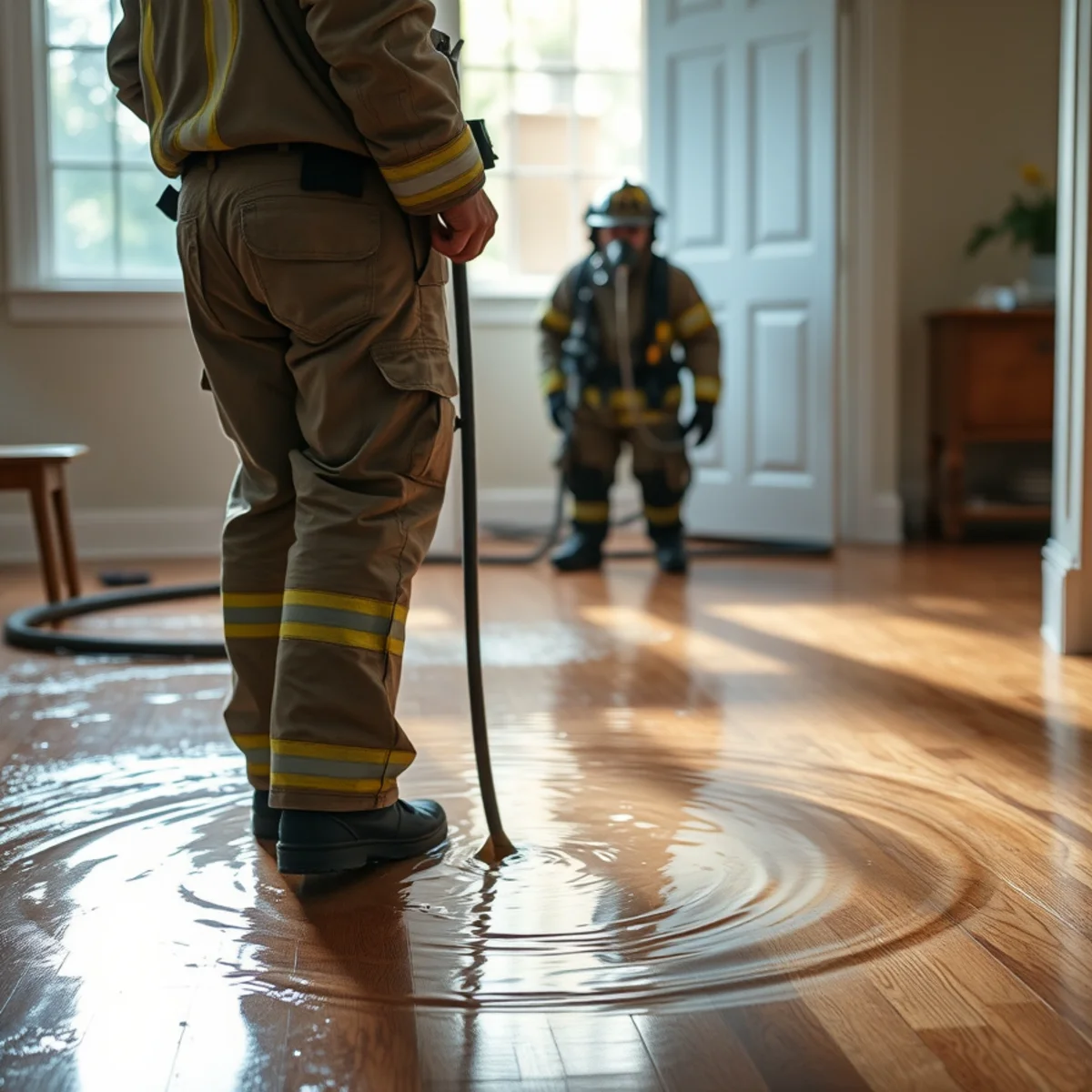
People forget that putting out a fire soaks the house. All that firefighting water settles into carpet, subfloor, drywall, and insulation, and in Atlanta's humidity mold can take hold within 24 to 48 hours. That is a second disaster stacking on the first. Extraction and drying need to start fast, which is a big reason to get a restoration crew out the same day. We cover this in a companion guide on what to do about water damage after a fire, and it is worth reading while you wait for help.
Secure the Home Overnight
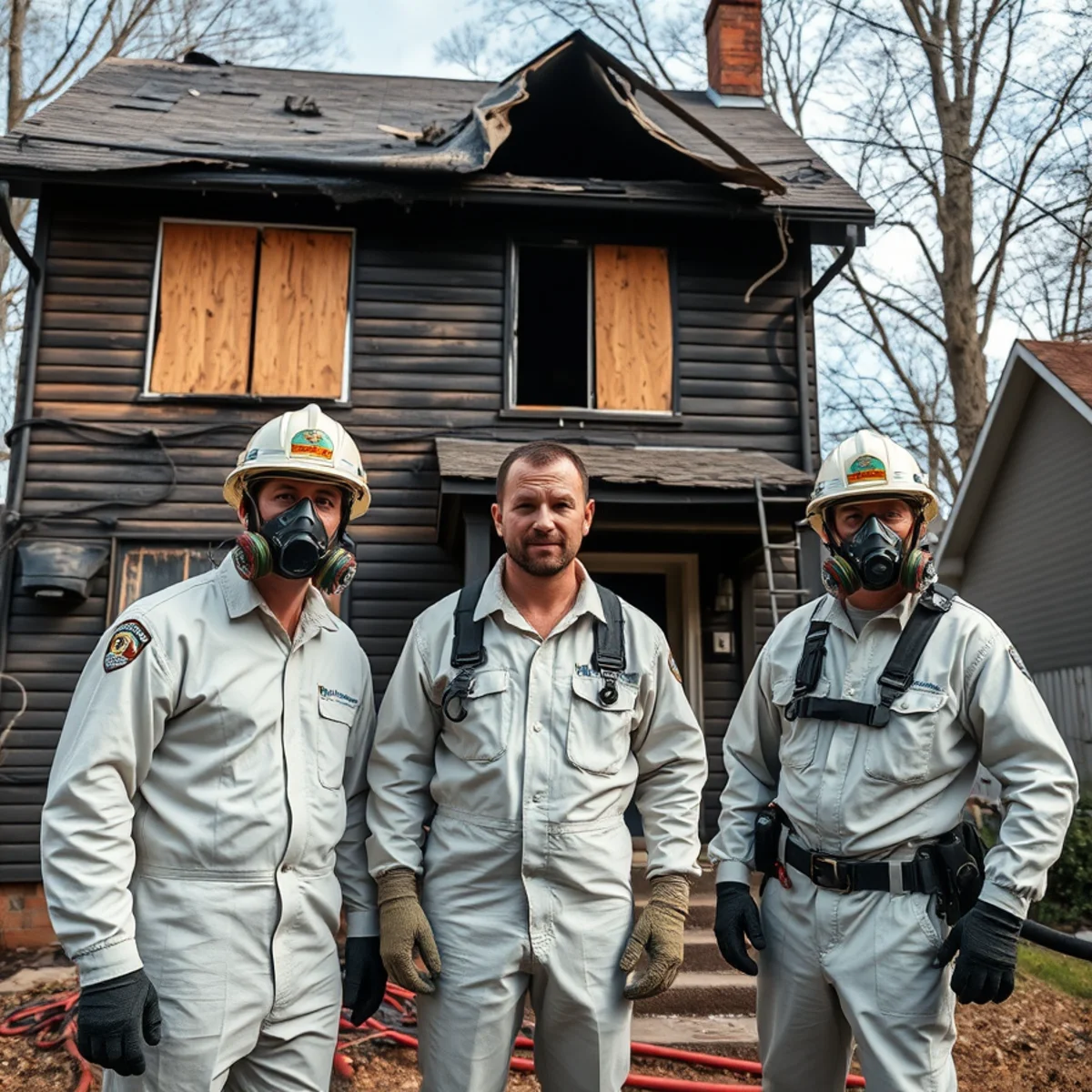
A fire often leaves broken windows, a burned-through door, or a hole in the roof. An open house invites rain, animals, and trespassers, and any new damage from an unsecured property can be denied by your insurer. Board-up and tarping closes those openings the same night. If you are wondering what happens after your home is boarded up, that is the next stage: securing the structure is step one, not the finish line.
Line Up Somewhere to Stay Tonight
If your home is not livable, sort out tonight before it gets later. Call family or friends first. The American Red Cross of Georgia responds to home fires across metro Atlanta and can help with emergency lodging, food, and essentials in the first hours, and the firefighters on scene can often connect you with them. If your policy includes additional living expenses, a hotel is covered, so save every receipt from the first night forward. Getting your family somewhere warm and safe is not a distraction from the recovery. It is part of it.
Call One Number and Let Us Take It From Here
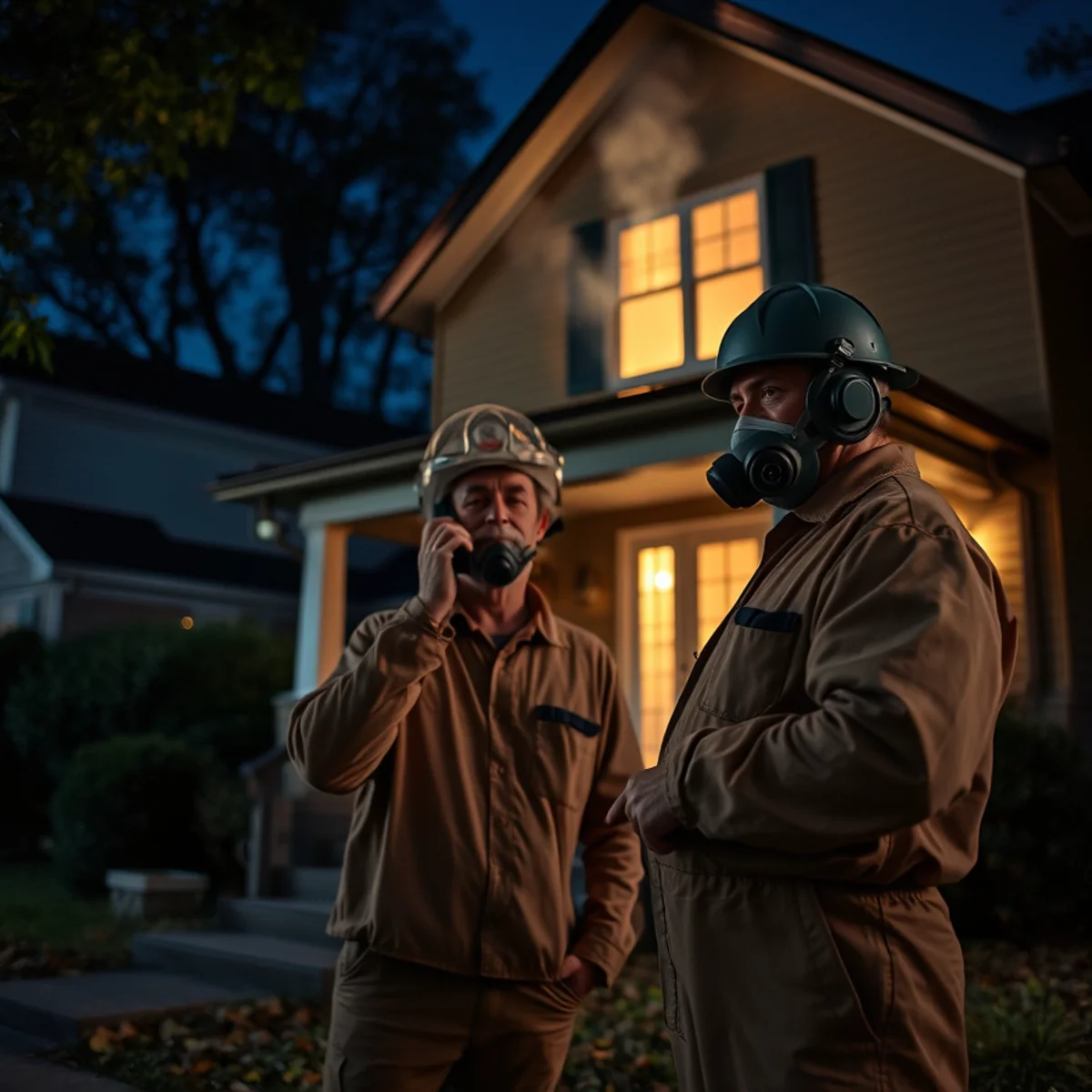
You do not have to coordinate all of this alone at 2 a.m. Our team provides emergency fire damage response across Atlanta, and from our base on Peachtree Street in Downtown we reach most of the city and the surrounding metro quickly, any hour. When you call (866) 688-0301, a real person answers, gives you a straight ETA, and sends a crew. We secure the home, extract the water, document the damage, and handle your insurance claim with direct billing to your carrier. Your job in the first 24 hours is to keep your family safe and make the call. We handle the rest.