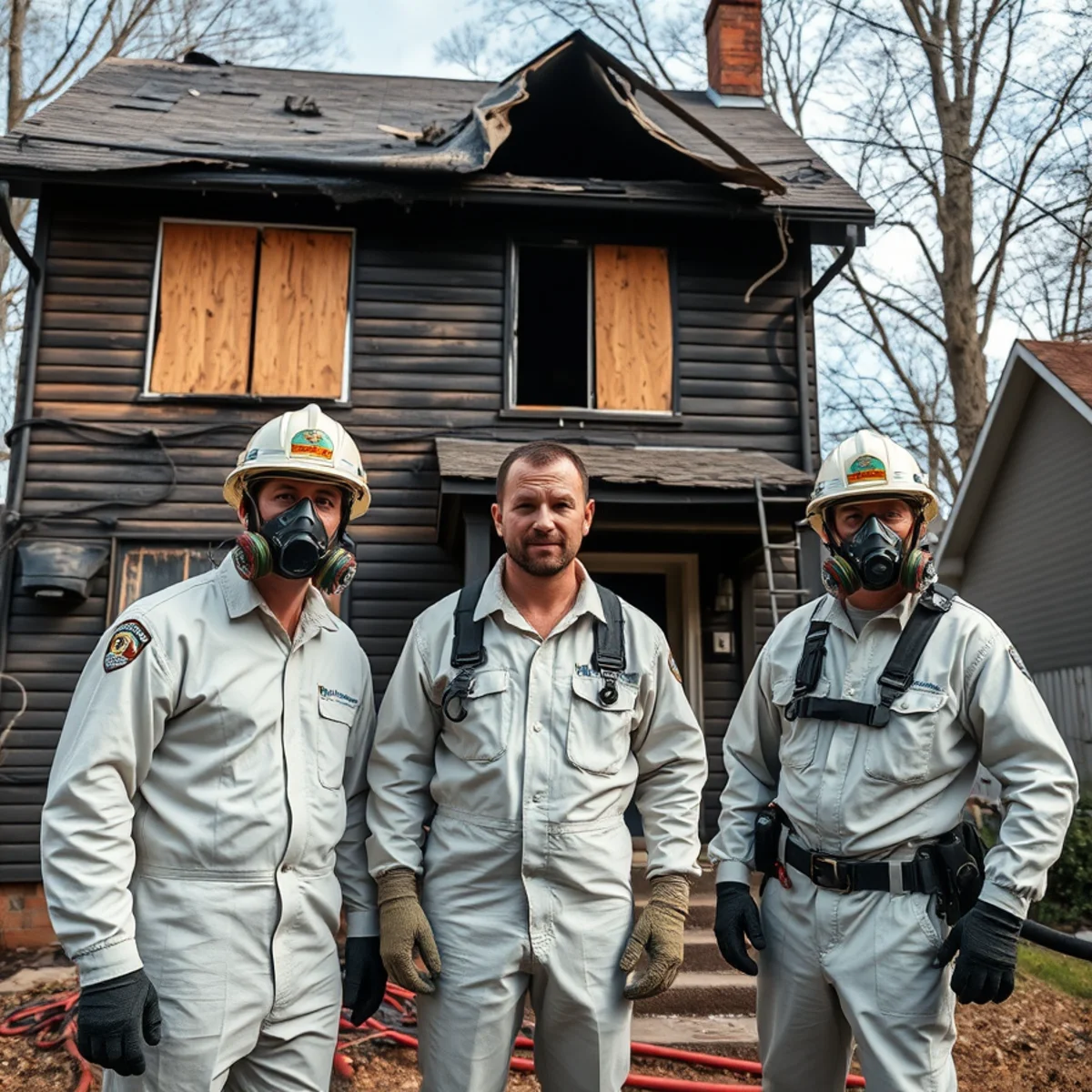
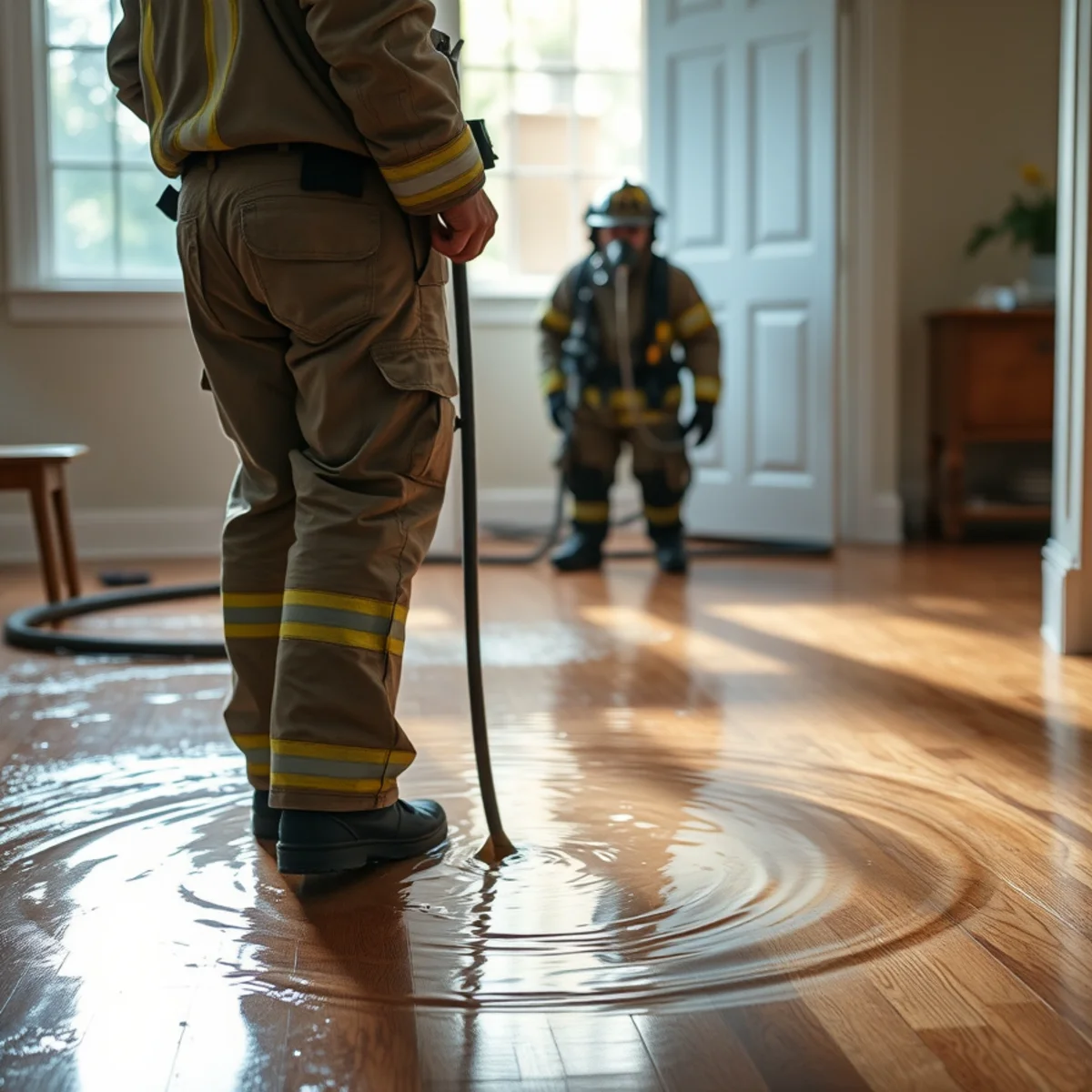
The flames are out, the trucks are gone, and now your floors are underwater. It feels like a cruel joke. The same firefighting that saved your home left it soaked, and that water is not a minor cleanup afterthought. In Atlanta's humidity it becomes mold within a day or two. The water is a second emergency, and getting ahead of it is the difference between drying a house and gutting one.
Water-after-fire priorities
Firefighting water is its own emergency. In the first hours:
- Stay out of standing water near outlets and panels until power is confirmed off.
- Photograph standing water, soaked walls, and water lines before anything is moved.
- Get extraction started fast — mold can begin within 24 to 48 hours.
- Pull soaked rugs, cushions, and contents off wet floors so they can dry or be packed out.
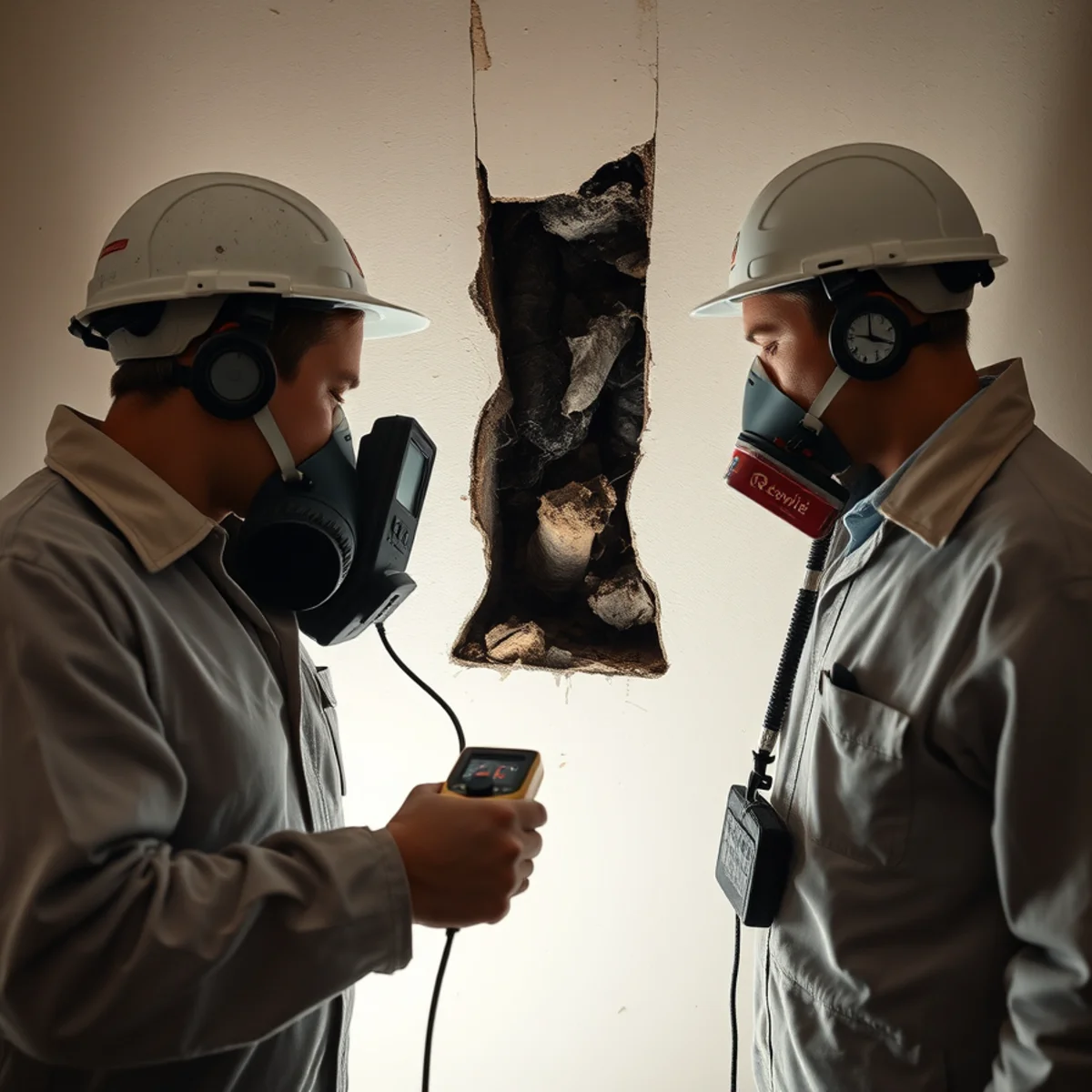
- Have moisture monitored inside walls and subfloors — 'dry to the touch' isn't dry.
- Don't assume small water means small damage; it wicks into cavities you can't see.
Where All That Water Came From
A single fire hose moves a large volume of water fast, and firefighters use whatever it takes to be sure the fire is fully out, including soaking spots inside walls and ceilings where fire hides. In a Midtown high-rise or condo, an activated sprinkler head adds to it, and building standpipe systems put out serious volume. All of that water has to go somewhere, and gravity takes it into your floors, down through the structure, and into the units below.
The 24 to 48 Hour Mold Clock
This is the number that matters: mold can begin growing within 24 to 48 hours of the water settling in. Atlanta's warm, humid climate shortens that window, not lengthens it. Wet drywall, carpet, subfloor, and insulation are ideal for mold, and once it starts you are dealing with a health hazard and a much bigger remediation bill. The single most useful thing you can do after a fire is get the water extracted and the structure drying fast. Speed here beats almost everything else.
Do Not Touch Standing Water Until It Is Safe
Before you wade in, stop. Firefighting water in a burned building is not clean. It carries soot, ash, chemicals, and whatever the fire released, so treat it as contaminated and keep skin and lungs out of it. Worse, water and electricity together are deadly. If the power is still on and you can reach the main breaker safely and dryly, shut it off. If you cannot reach it without standing in water, leave it and let the utility or the fire department handle it. Do not run a household vacuum to suck up the water; it is not built for it and you risk electrocution.
What You Can Safely Do While You Wait
There are a few useful things. If items are dry and easy to grab without entering flooded or unstable areas, move them to a dry spot. Lift curtains and small valuables off wet floors. Open windows if the weather outside is drier than the air inside. Photograph the water damage for your claim before anything is moved or dried, the same way you would document soot. Then step back and let the extraction crew do the heavy work.
Get Furniture Up Off the Wet Floor
One restoration trick helps while you wait. If you can safely lift the legs of wood furniture out of standing water, do it, and slip aluminum foil, a plastic cap, or a small wood block under each leg. Wet wood furniture bleeds stain into carpet, and the finish itself can transfer onto flooring within hours, leaving marks that outlast the water. Getting sofas, dressers, and table legs up off a soaked floor prevents a second layer of damage that is easy to avoid now and expensive to fix later.
Why the Water You Can See Is the Small Part
Mopping up the puddles does almost nothing for the real problem. Water wicks up inside wall cavities, slides under hardwood, saturates the subfloor, and hides in insulation where you cannot see or reach it. That trapped moisture is what molds. Professional fire suppression water extraction uses truck-mounted extractors, moisture meters, and thermal imaging to find and remove water where it actually is. We go deeper in a companion guide on hidden water damage after a fire, and it is worth reading, because the invisible water is the part that ruins floors weeks later.
Stacked Units Make It Worse in Midtown
In a dense high-rise corridor like Midtown, water rarely stays in one unit. It follows plumbing chases and floor penetrations downward, so a fire on one floor can soak two or three below it. A recent call near the Bank of America Plaza area started as a contained unit fire and became a water-extraction job across several stacked condos. That is why building-wide scoping matters. If you own or manage a unit, loop in the building and the neighbors below early, because their ceilings may be taking on your water.
Drying, Then Proving It Is Dry
Extraction is step one. Then comes structural drying with commercial air movers and dehumidifiers, sometimes for several days, with daily moisture readings until the materials are back to normal. Dry-looking is not the same as dry. We document the moisture levels as they come down so there is proof for your insurer and confidence that nothing was sealed up wet, which is exactly how hidden mold starts. This is also the stage that connects to board-up, since the home has to stay secured and weather-tight while it dries.
Call Before the Mold Clock Runs Out
Every hour counts with fire water, so this is not a call to put off until morning. We provide 24/7 fire suppression water extraction across Atlanta, and from our Downtown base we reach Midtown and the surrounding metro fast. Call (866) 688-0301 and a live responder gives you a real ETA and sends a crew to extract, dry, and document, then coordinate the rest of the restoration and your claim. Your family is safe. Let us keep the water from turning into the next problem.