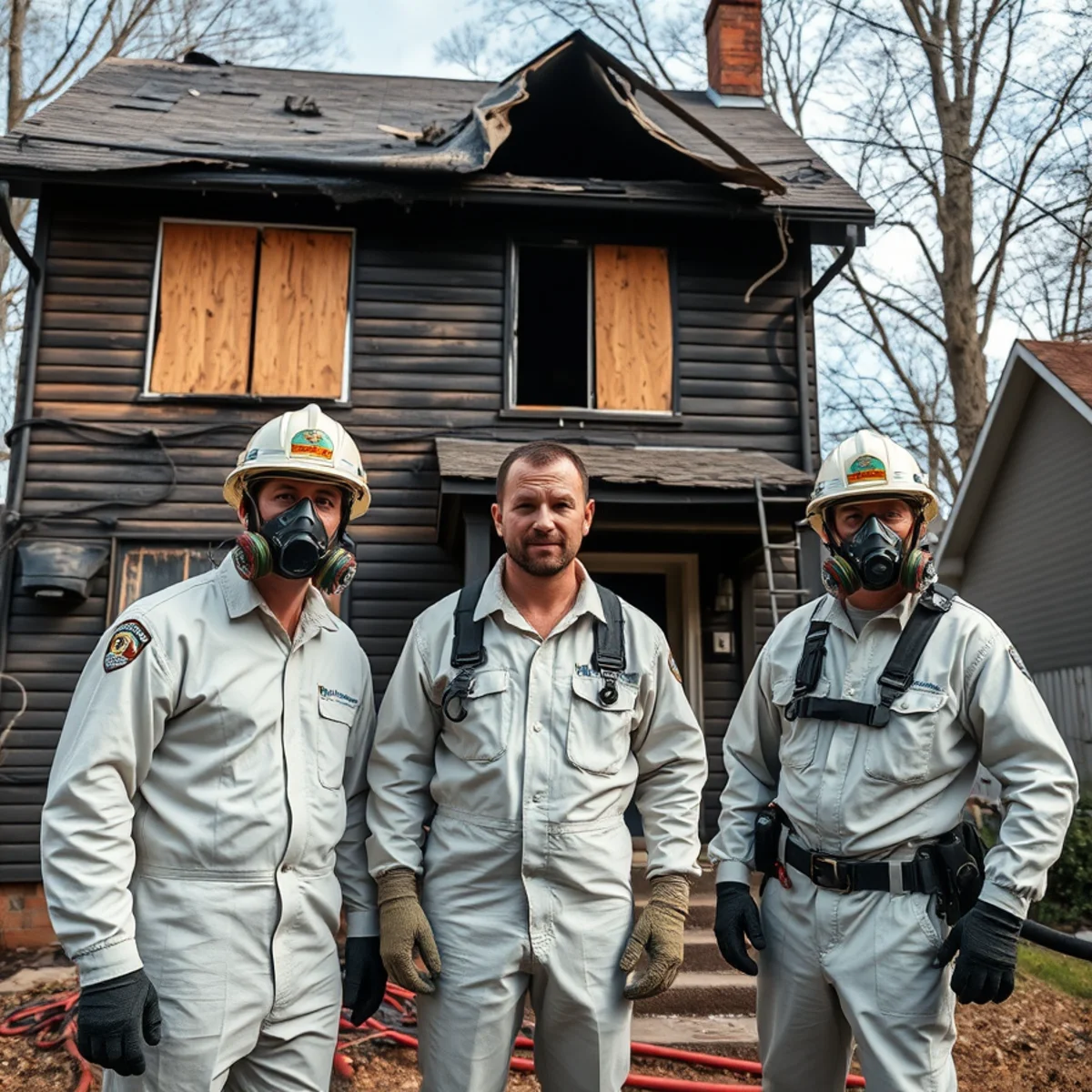
Plywood over the windows, a blue tarp across the roof, and a strange quiet where your home used to be busy. Getting boarded up can feel like the end of the emergency. It is really the first secured step. Board-up protects what is left so the real recovery can happen in the right order. Here is what comes next, from the night the property is secured to the day you move back in.
What comes after board-up, step by step
Securing the property is step one. Here's the sequence that follows:
- Assessment and scope — the full extent of fire, smoke, soot, and water damage is documented.
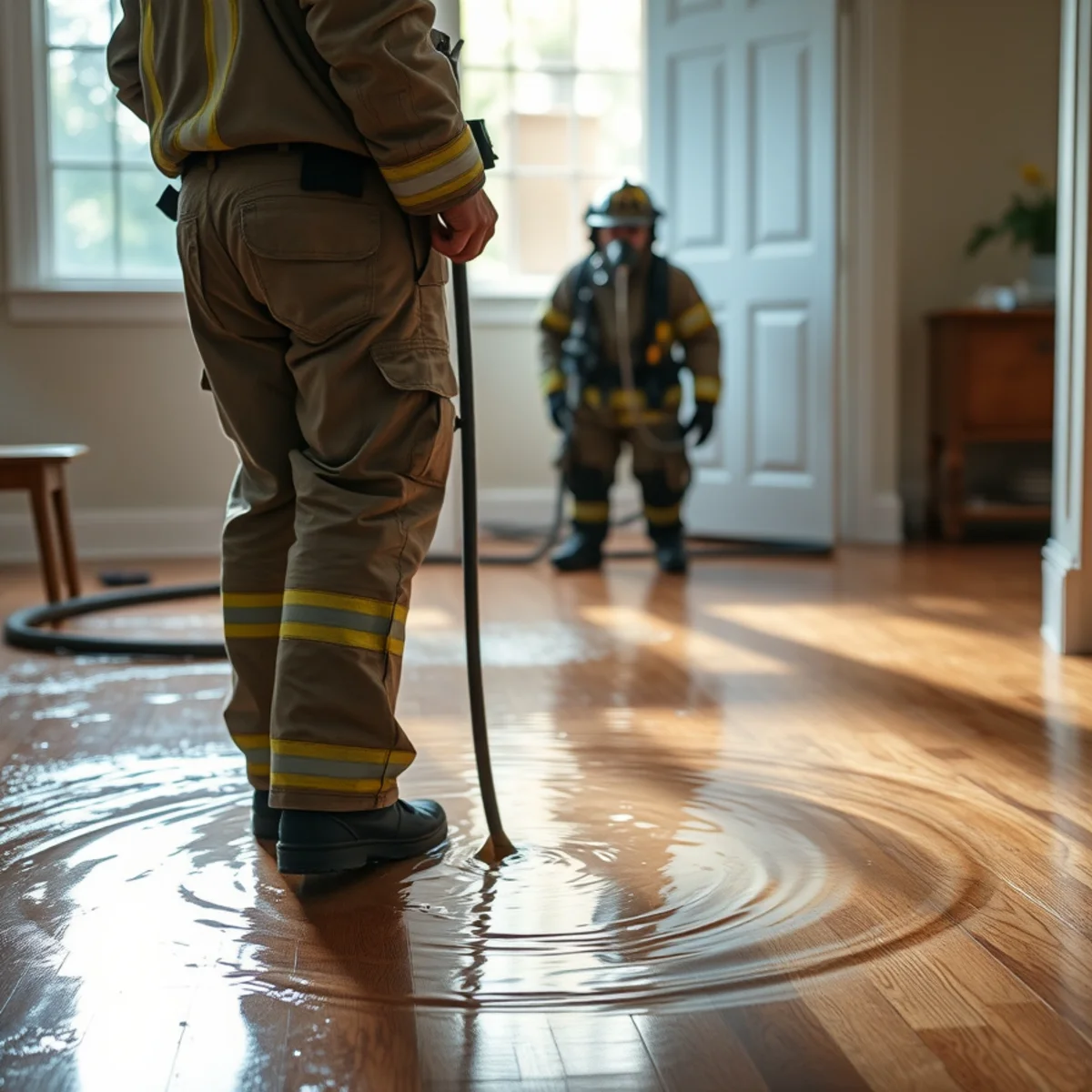
- Water extraction and structural drying — before firefighting water molds within 24 to 48 hours.
- Smoke and soot cleanup — surface-specific methods, before soot etches permanently.
- Odor removal — thermal fogging, ozone, or hydroxyl to neutralize smell at the source.
- Content cleaning and pack-out — belongings inventoried, cleaned, and stored off-site.
- Reconstruction — framing, drywall, flooring, and finishes back to pre-fire condition.
- Final inspection — a safety and moisture check before you move back in.
Why the Board-Up Had to Happen First
A fire leaves a home open: shattered windows, a burned-through door, holes where firefighters ventilated the roof. Left open overnight, an Atlanta home is exposed to rain, raccoons and stray animals, and people who should not be inside. Just as important, your insurance policy requires you to prevent further damage. If a storm blows in through an open window after the fire and ruins the floors, an unsecured house can give your carrier a reason to deny that part of the claim. Emergency board-up and tarping closes the building so nothing gets worse while decisions are made.
What Board-Up and Tarping Actually Covers
Securing a fire-damaged home is more than nailing up plywood. It means measuring and sealing every broken window and door opening, covering roof breaches with weighted, watertight tarps, and locking down entry points so the property is safe and defensible. On East Point's older bungalows, many built as streetcar-suburb homes near the MARTA rail line, that can also mean bracing an aging porch or a fragile original doorframe rather than forcing a standard panel over it. The goal is a weather-tight, secure shell that protects a historic facade worth keeping instead of chewing it up.
Utilities Stay Off Until They're Cleared
When Atlanta Fire Rescue shuts off your power, gas, or water after a fire, leave it off until each system is inspected. Fire and firefighting water can damage wiring, gas lines, and the electrical panel in ways that are not visible, and turning things back on too early can start a second fire or a leak. Your restoration and repair team coordinates with licensed electricians and plumbers to check and restore each utility safely as the work progresses. Resist the urge to flip the main breaker back on just to charge a phone or run a fan.
Documentation and the Insurance Claim
With the home secured, attention turns to the claim. We document the full extent of the damage with photos, video, and a written scope, and that record goes to your adjuster. Board-up itself is emergency mitigation, which most Georgia policies pay for separately from the main repair estimate. Keep the paperwork. Photograph the board-up and tarping too, because that work is part of the claim, and dated photos of the secured openings show your carrier the property was protected promptly. This is also when a direct-billing restoration company saves you the most stress, because the invoices go to your carrier instead of piling up on your kitchen table.
The Race to Dry the House Out
Here is what surprises people: the most urgent problem after board-up is usually not fire, it is water. The gallons firefighters used to save your home are now soaking into subfloor, drywall, and insulation, and mold can start within 24 to 48 hours in Atlanta's climate. Extraction and drying often run at the same time as, or right after, the board-up. We cover the water side in a separate guide on what to do about water damage after a fire, and it is the part of the timeline people most often underestimate.
Assessing Smoke, Soot, and Odor
Once the structure is dry, the smoke damage gets scoped. Soot rarely stays where the fire was. It rides the HVAC and slips through wall cavities and doorways into rooms that never saw flame, and because it is acidic it keeps etching surfaces until it is removed. Technicians test which materials can be cleaned and which must be replaced, then plan soot removal, surface cleaning, and odor treatment using methods that neutralize smell at the source rather than cover it up.
Cleaning, Then Rebuilding
After cleaning and deodorizing comes reconstruction, the stage that puts the house back together: drywall, paint, flooring, cabinetry, and whatever structural repairs the fire made necessary. Depending on severity, this can be a few rooms or a full rebuild. The order matters. You cannot rebuild over wet framing or trapped soot odor, which is why the drying and cleaning stages come first even though the rebuild is what you are waiting for.
A Realistic Timeline
Every fire is different, so honest timelines depend on scope. Securing the home happens the same day. Drying typically runs several days. Cleaning and deodorizing follow, and reconstruction is measured in weeks to months for a serious loss. What keeps it all moving is having one team run the sequence, so the water crew, the cleaning crew, and the rebuild crew are not waiting on each other.
One Team From Board-Up to Move-In
If your home is already boarded up and you are staring at the plywood wondering what now, that is exactly the moment to get one accountable team on the whole job. We handle emergency board-up and tarping, water extraction, soot and smoke cleanup, odor removal, and the rebuild, and we document and bill the claim directly to your insurer. Call (866) 688-0301 any hour and a live responder will walk you through the next step for your specific home in East Point or anywhere across metro Atlanta.