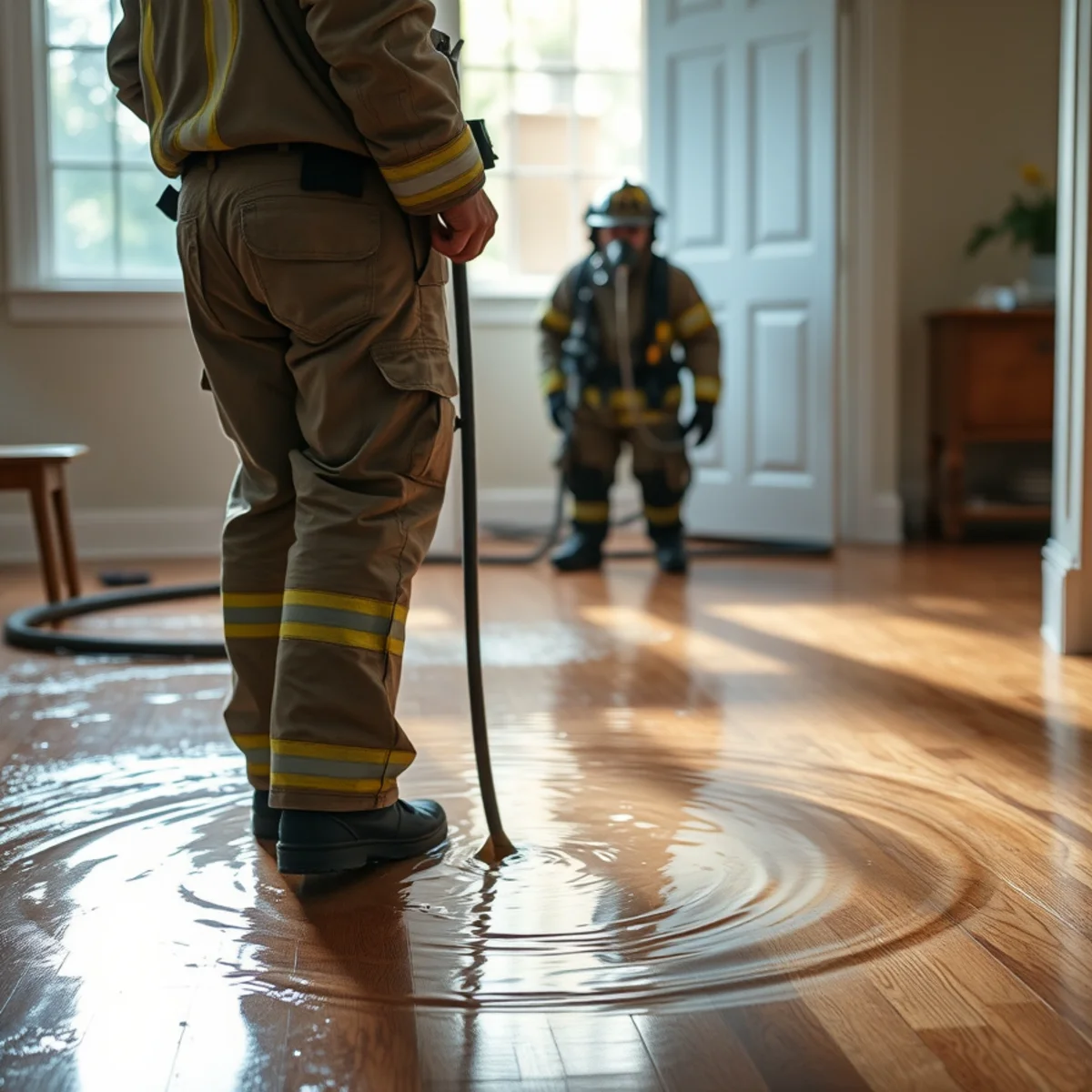
Putting out a house fire takes water, a lot of it. By the time Atlanta Fire Rescue knocks down the flames, hundreds or thousands of gallons have gone into your home. The fire is the part everyone sees. The water it took to stop it is the damage most people forget, until it soaks through the ceiling below.
Firefighting water does not stay where it landed. It runs down through floors, pools in wall cavities, and wicks into subfloors, drywall, and insulation out of sight. In Atlanta's humidity, that trapped moisture becomes a mold problem in as little as 24 to 48 hours. Left alone, it doubles the scope of a fire loss and adds weeks to recovery.
We treat the water as its own emergency, because it is. Our crews extract standing water fast, pull moisture from the structure with industrial drying equipment, and monitor until the readings confirm it is dry. Move quickly and you stop mold before it starts. Call (866) 688-0301 and we will get extraction underway before that window closes.
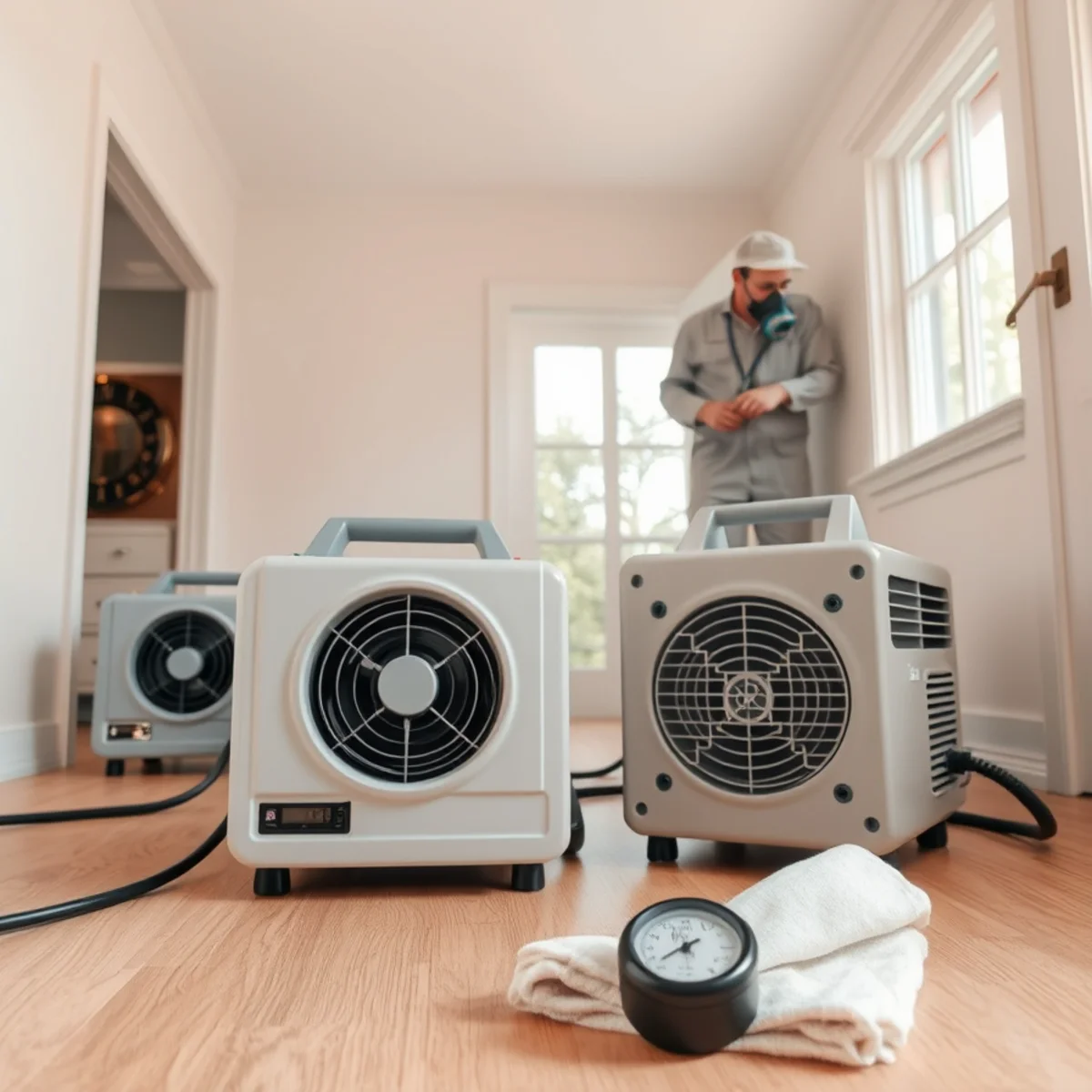
Signs firefighting water is damaging your home
Water damage after a fire is often worst where you cannot see it. If any of these is true, the structure needs extraction and drying now, not later.
- Standing water or saturated carpet anywhere in the home
- Water stains spreading across ceilings on the floor below
- A damp, musty smell developing within a day of the fire
- Warped, swelling, or buckling hardwood or laminate flooring
- Soaked drywall that is soft, sagging, or crumbling
- Water that ran down into a basement or crawlspace
What our fire suppression water extraction includes
Water extraction and drying covers the full path from standing water to a verified-dry structure.
- Moisture inspection with meters and thermal imaging
- High-volume extraction of standing water
- Removal of saturated carpet, pad, and insulation
- Industrial air movers and dehumidifiers
- Structural drying of framing, subfloors, and cavities
- Daily moisture monitoring and logging
- Antimicrobial treatment to discourage mold growth
- Documented dry-standard sign-off before rebuild
Our process
Drying a fire-damaged home is a measured process, not just a wet vacuum and some fans.
- 1
Moisture mapping
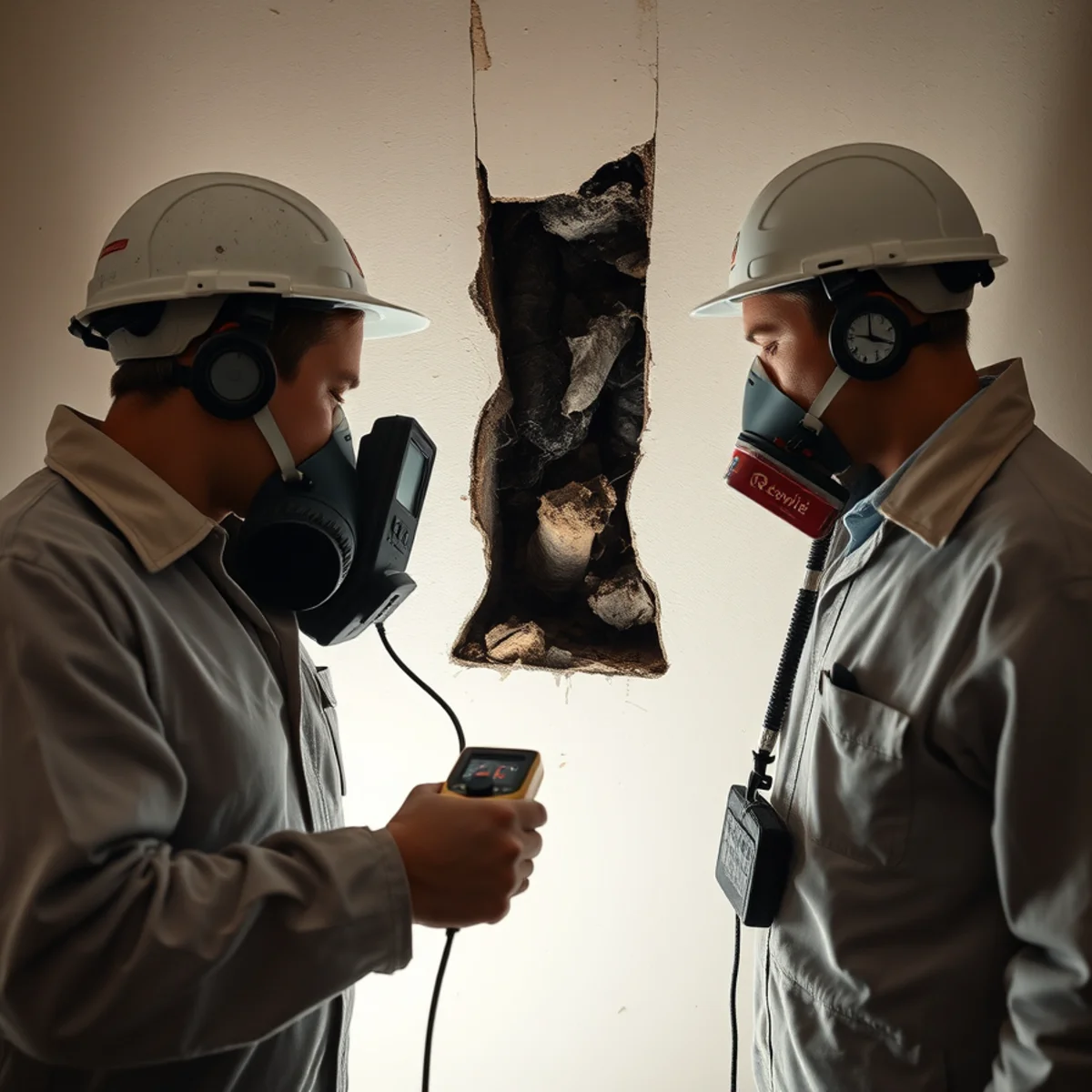
We use meters and thermal imaging to find every pocket of water, including moisture hidden inside walls and under floors.
- 2
High-volume extraction
Truck-mounted and portable extractors pull standing water out of carpet, subfloor, and hard surfaces fast, before it can spread further.
- 3
Remove unsalvageable materials
Saturated carpet pad, soaked insulation, and drywall past saving are removed so the structure behind them can dry.
- 4
Structural drying
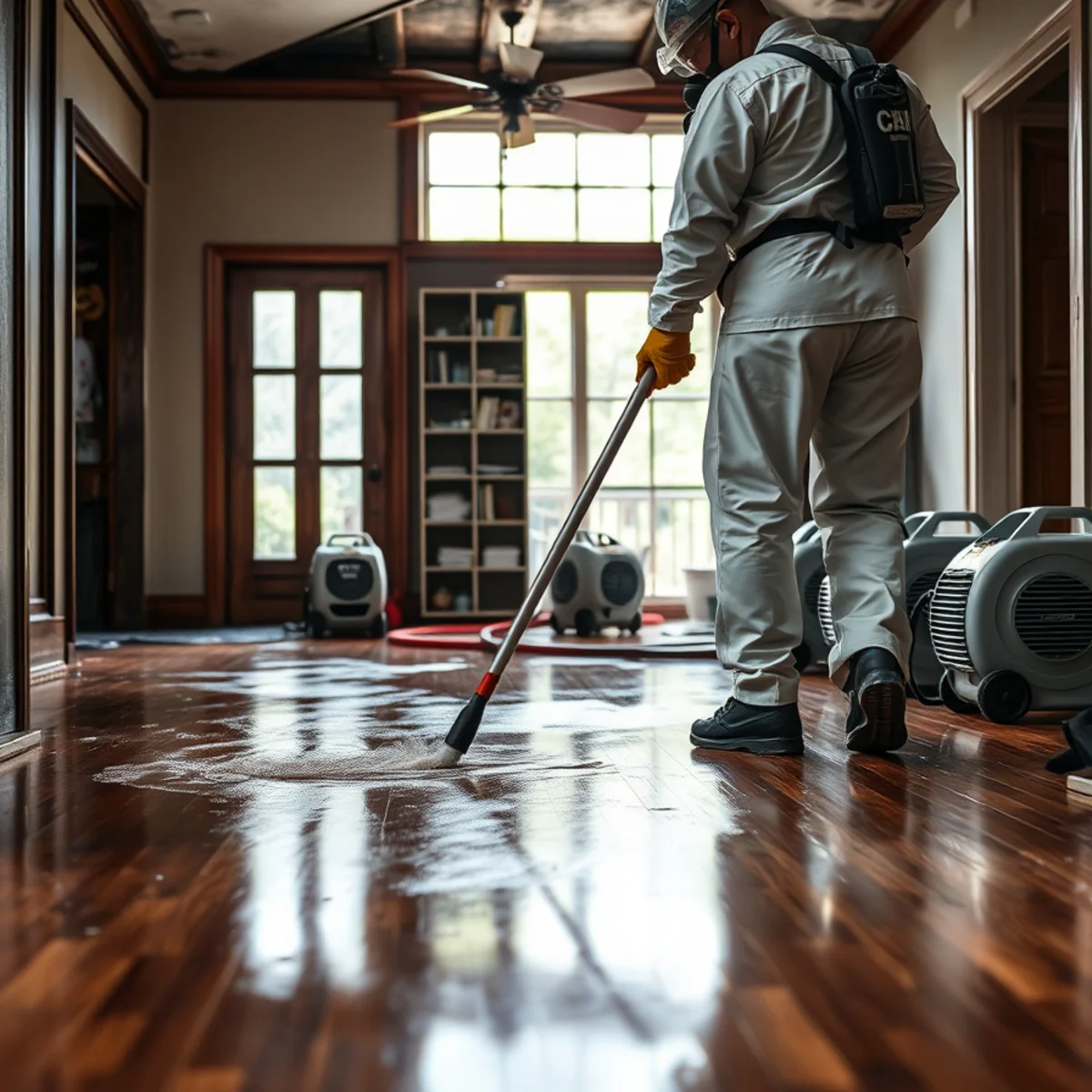
We position air movers and commercial dehumidifiers to pull moisture out of framing, subfloors, and wall cavities.
- 5
Moisture monitoring
We take daily readings and adjust equipment until the structure returns to a documented dry standard, not just dry to the touch.
- 6
Clear for restoration
Once the home is verified dry, cleanup and rebuild can proceed without trapping moisture behind new materials.
Need this handled today?
Live answer, real ETA, crews on the way 24/7.
Why Atlanta's Humidity Makes Water the Real Threat
Atlanta sits in a humid subtropical climate, and that works against you after a fire. Warm, moisture-heavy air slows natural drying to a crawl and gives mold the conditions it needs within a day or two. A home in a dry climate might air out on its own. A home in Grant Park or Kirkwood in July will not. That is why extraction speed matters more here.
The housing stock adds to it. Atlanta's older bungalows and four-squares sit over crawlspaces and basements where firefighting water collects out of sight. Mid-century ranches on slab hide water under hardwood and tile. Either way, the moisture you cannot see is the moisture that grows mold and rots framing. We map it, pull it, and confirm it is gone with readings you can hand your adjuster, so the water chapter of your fire loss actually closes instead of returning as a mold claim in the fall.
What affects the cost
Water extraction and drying is priced by how much water there is, how far it spread, and how long the structure takes to dry. Catching it early keeps this phase small. National fire-restoration work runs roughly $4 to $7 per square foot, and standing water pushes toward the higher end.
Why Atlanta homeowners choose Fire Damage Atlanta for fire suppression water extraction
After a fire you shouldn't have to become an expert overnight. Here's what you get the moment you call (866) 688-0301.
- Live answer, 24/7When you call, we give you a real ETA — not a vague "soon" — and dispatch a crew right away, 24/7.
- 4.9/5 from 127+ reviewsAtlanta homeowners and property managers rate our crews for fast, honest, thorough work.
- IICRC-certified, licensed & insuredTrained fire and smoke restoration technicians, fully credentialed in the State of Georgia.
- We handle your insurance claimWe document the loss, build an itemized scope, talk to your adjuster, and bill your carrier directly.
- One team, board-up to rebuildFrom the first emergency step to the last coat of paint, one crew owns the whole job — no handoffs.
Fire Suppression Water Extraction across metro Atlanta
We provide fire suppression water extraction throughout the City of Atlanta and the surrounding Fulton, DeKalb, Cobb, Clayton, and Gwinnett metro — dispatched 24/7 from our Downtown base at 191 Peachtree St NE. A few of the areas we cover:
- Downtown Atlanta
- Midtown Atlanta
- Buckhead, Atlanta
- Old Fourth Ward, Atlanta
- Virginia-Highland, Atlanta
- Inman Park, Atlanta
- Sandy Springs, GA
- Brookhaven, GA
- Decatur, GA
- Druid Hills, GA
- East Point, GA
- College Park, GA
Don't see your neighborhood? See all 67 areas we serve.