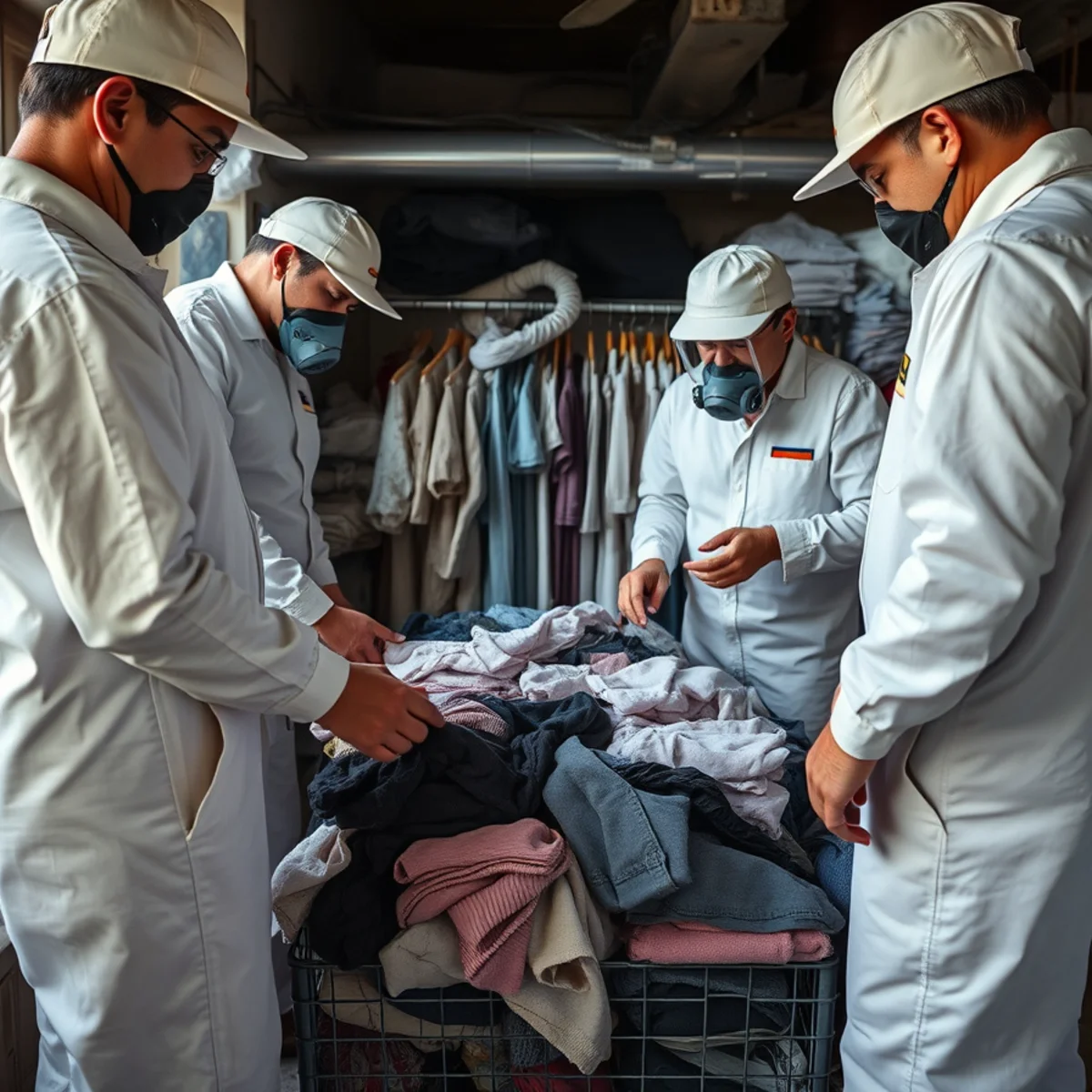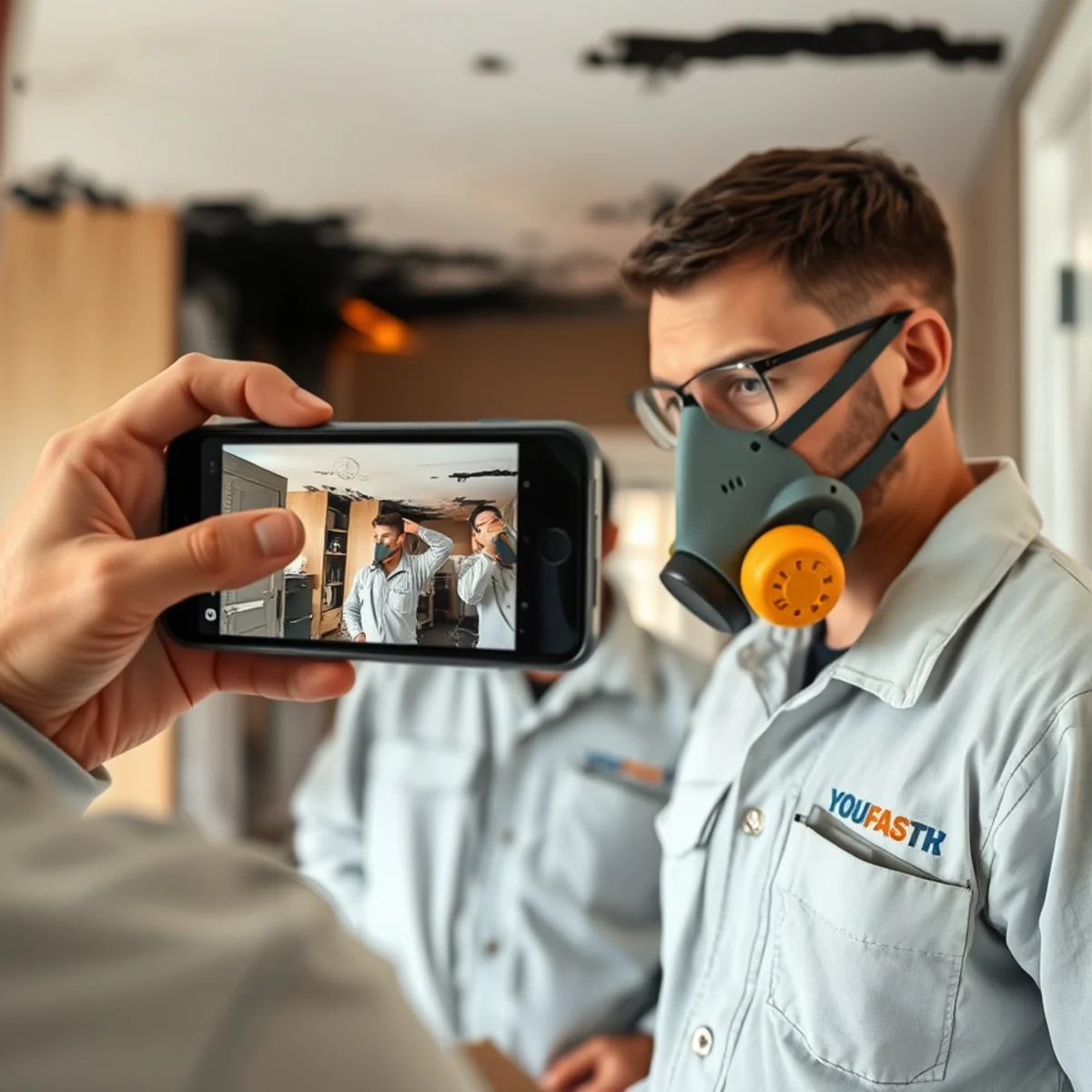
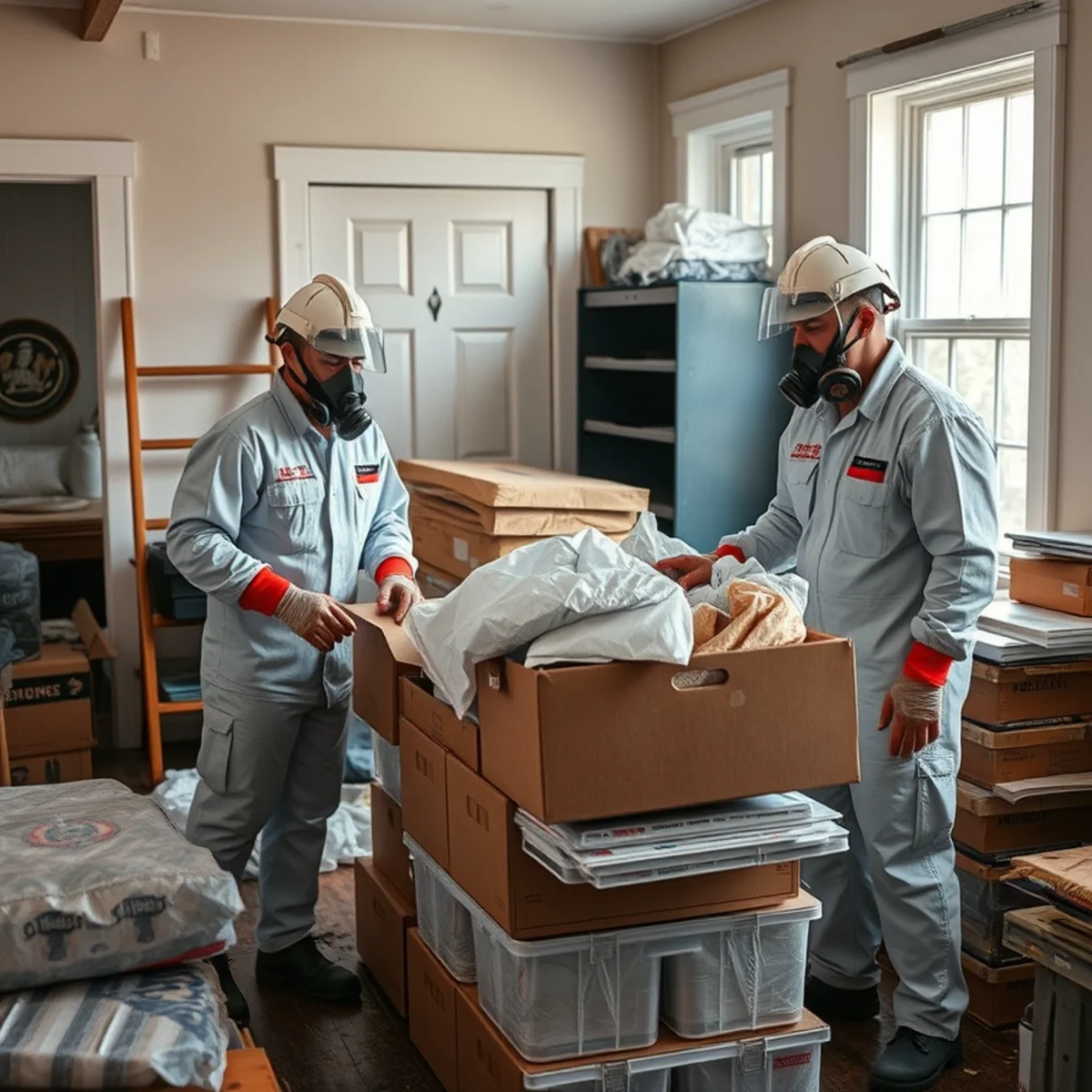
After a fire, the damage is not only in the walls. It is in your clothes, your furniture, your kitchen, the boxes in the closet you have not opened in years. A pack-out is how a restoration company deals with all of it. In short, it is the process of inventorying your belongings, removing them from the home, cleaning them off-site, and storing them until your house is ready.
The two questions people ask are always the same: is this necessary, and will my insurance pay for it. Here is how a pack-out works and how insurers generally treat it.
What a pack-out actually involves
A pack-out is more organized than a move, because everything is tracked as both inventory and evidence for your claim. The point is to get your belongings out of a soot-filled, often water-damaged environment and into a controlled space where they can be cleaned properly.
- A detailed inventory, photographed and logged item by item
- Careful packing and removal from the home
- Off-site cleaning, deodorizing, and restoration of salvageable items
- Secure, climate-controlled storage during reconstruction
- A documented return once your home is restored
Why move belongings off-site at all
It is a fair question. Why not just clean everything in place? Sometimes that is the right call for a light smoke event. But there are good reasons a pack-out often makes sense.
- The home becomes an active work site during demolition and reconstruction
- Soot is acidic and keeps etching items the longer they sit in the house
- Off-site facilities have equipment for deep cleaning and odor removal a damaged home does not
- Storage protects cleaned items from re-contamination while the structure is worked on
- Separating contents from the structure makes both the cleaning and the claim clearer
What can be saved, and what usually cannot
More survives a fire than people expect. Specialized cleaning, ozone, and hydroxyl treatment bring back a lot of what looks ruined. Our content cleaning and pack-out service sorts salvageable from non-salvageable during the inventory, so nothing is thrown out without a record.
- Often saved: clothing and textiles, dishes and hard goods, most furniture, many electronics
- Sometimes saved: books, papers, and soft goods, depending on exposure
- Usually not saved: heavily charred items, some food, cosmetics, and medicine exposed to heat and smoke
Do not throw things out on your own
We cover the details of what can be rescued in a separate guide on saving smoke-damaged clothes and furniture. The short version is simple: do not discard items on your own before they are inventoried. A thrown-away item is a harder item to claim, because you have removed the proof of what you lost.
It is tempting, in the middle of a mess, to start hauling ruined-looking things to the curb. Hold off. Let the inventory capture everything first. That record is what your contents coverage pays against.
Does insurance cover a pack-out?
Generally, yes. A pack-out is treated as part of the covered restoration when a fire is a covered loss. The service, the cleaning, and the storage typically fall under your policy, and your contents coverage handles items that cannot be saved. One caution: contents coverage has its own limit, separate from your dwelling limit, and high-value categories like jewelry or electronics may carry sub-limits. It is worth knowing those numbers before a loss, not after. As always, the specifics live in your policy, so confirm with your carrier. A few things help the claim go smoothly.
- The inventory is documented before anything leaves the home
- Storage duration is reasonable and tied to the reconstruction timeline
- Salvage decisions are recorded, not guessed
- Costs are itemized and billed clearly, often directly to your insurer
The Brookhaven angle: new and old, side by side
Brookhaven is an affluent, Buckhead-adjacent city that incorporated in 2012, and its neighborhoods show heavy teardown and infill activity. That means newer custom homes sit right next to older houses with aging electrical panels, and both ends of that spectrum affect a pack-out.
In newer, larger homes, the contents list is simply bigger, with more finished basements, media rooms, and custom furnishings to inventory. In the older homes, an aging panel is a more likely fire origin, and the belongings inside have often accumulated for decades. Either way, a careful, documented pack-out protects what can be saved and gives your claim the detail it needs.
How storage and return work
Once your belongings are cleaned, they are stored securely until your home is ready. When reconstruction wraps, everything comes back and is checked against the same inventory it left on. That closing step matters. It confirms nothing was lost and gives you and your insurer a clean record from start to finish. If anything cannot be returned in the same condition it left in, that is documented too, so the contents side of your claim stays accurate.
Ask about a pack-out for your home
Whether your home needs a full pack-out or just targeted content cleaning depends on the severity of the fire and the scope of the reconstruction. We can assess that during the initial walkthrough.
Fire Damage Atlanta serves Brookhaven and the surrounding metro with inventoried, insurance-documented content cleaning and pack-out. Call (866) 688-0301 to talk through what your belongings need.