Standing in a smoke-filled house, most people mentally write off everything they see. The clothes, the couch, the kids' books, all of it feels contaminated. The truth is kinder than that. A large share of what a fire touches can be cleaned back to normal, and often for far less than replacing it.
What decides the outcome is not how bad things look on day one. It is what each item is made of and how fast it gets proper attention.
The Rule That Decides What Survives
Two factors predict whether an item can be saved. The first is what it is made of. Non-porous materials, such as glass, metal, glazed ceramic, and sealed hardwood, hold soot on the surface where cleaning can reach it. Porous materials, such as fabric, upholstery, paper, unfinished wood, and foam, absorb smoke and odor into their structure, which is harder but often still reversible. The second factor is time. Soot is acidic, so left on a surface it etches, corrodes, and stains. An item cleaned in the first days usually recovers, while the same item left for weeks may not. Direct flame or heavy heat damage is the one thing cleaning cannot undo.
What Usually Can Be Saved
More survives than the night of the fire suggests. These categories respond well when they reach a proper cleaning process quickly:
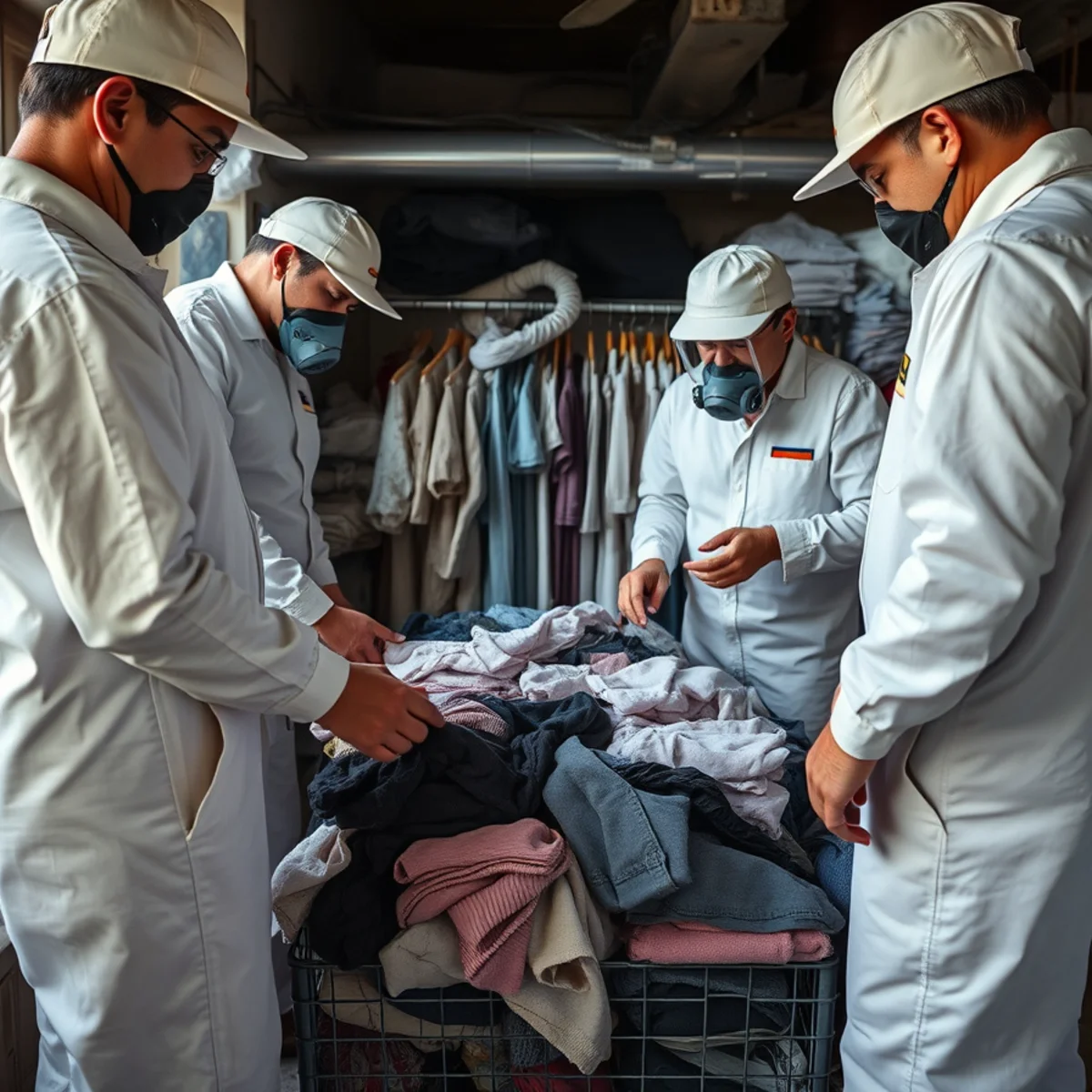
- Clothing and textiles. Most washable and dry-clean fabrics respond to specialized restorative laundering that removes soot and odor, even when they look hopeless. Curtains, linens, and many rugs fall here too.
- Hard, non-porous goods. Dishes, glassware, metal, tools, and glazed ceramics clean up reliably once soot is removed and they are sanitized.
- Solid wood and sealed furniture. Sealed hardwood pieces can usually be cleaned, deodorized, and refinished if needed. Antiques are worth an expert look before anyone gives up on them.
- Many electronics, if handled early. Devices that were off and did not suffer heat can often be saved by cleaning the acidic soot off internal parts before it corrodes them. They should be evaluated, never powered on.
- Leather and some upholstered pieces, case by case. Leather often cleans well. Upholstery depends on how deep the smoke reached the foam.
What Usually Cannot Be Saved
Some things are safer to replace, and an honest crew will tell you so. Items with direct fire or heavy heat damage, charring, melting, or scorching, are past cleaning. Heavily smoke-saturated mattresses and pillows are hard to fully deodorize and are usually replaced. Porous items that soaked up oily soot deep in the padding, some couches and cushions among them, may not be worth the cost of restoration versus replacement. And anything ingestible or absorbed into the body gets discarded on principle: food, even sealed or canned near heat, along with medications, cosmetics, and toiletries exposed to smoke. When in doubt on those, throw it out.
How Professional Content Cleaning Works
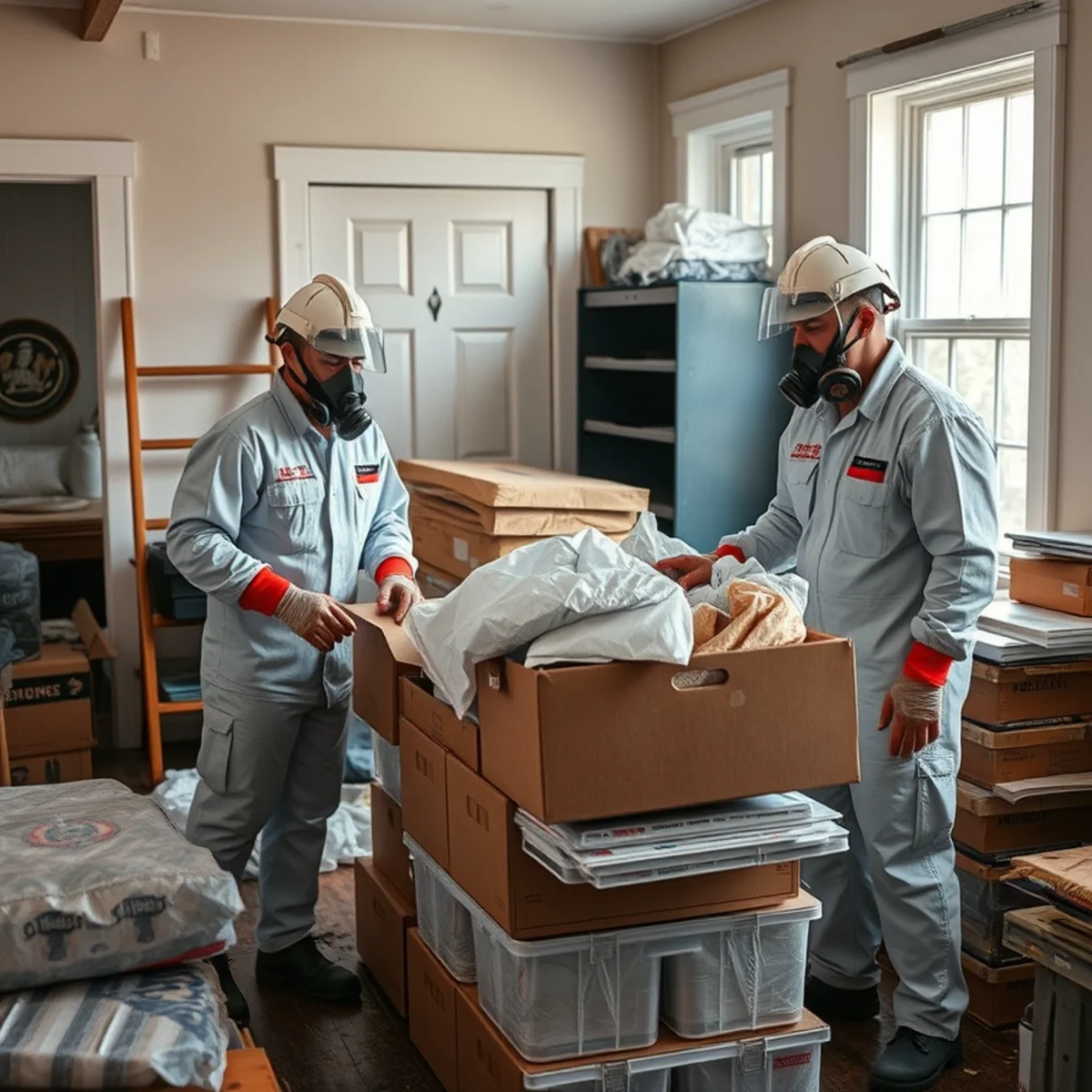
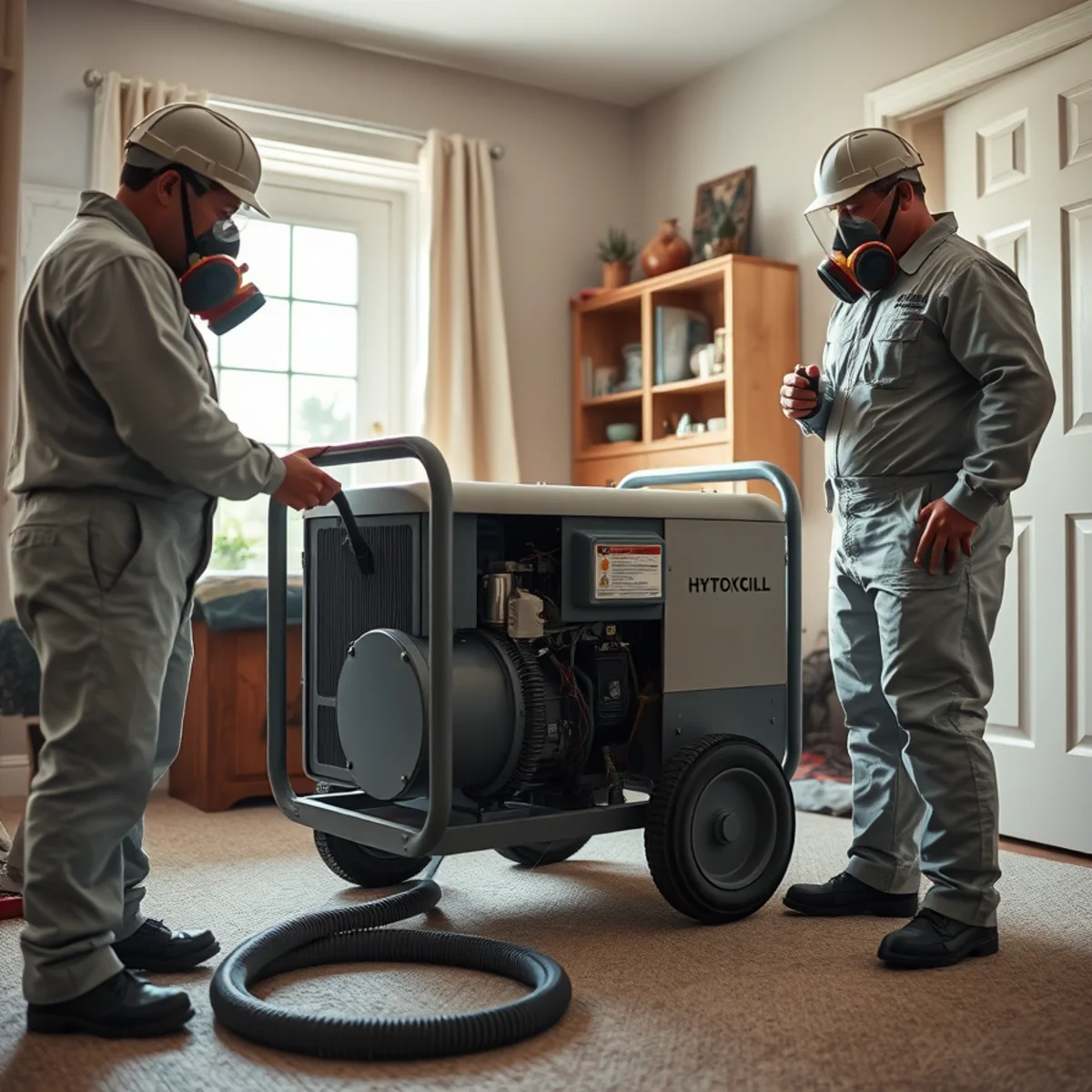
Restoring belongings is a process with its own name in the trade: content cleaning and pack-out. It starts with a room-by-room inventory, photographed and logged, so nothing is lost and the insurer has a record. Salvageable items are packed out to an off-site facility where the cleaning happens under controlled conditions. Hard goods run through ultrasonic cleaning, where sound waves lift soot from every crevice. Soft goods go through specialized restorative laundering built for smoke. Odor is handled in dedicated chambers rather than in your living room. Documents and photographs that look ruined can sometimes be recovered too, through careful drying and, in serious cases, freeze-drying that stabilizes fragile paper before it is cleaned. Cleaned items are then deodorized, wrapped, and stored until the home is ready.
We do this constantly in Dunwoody, where the 1960s and 70s brick ranches around Perimeter Center hold decades of accumulated belongings. A recent pack-out there recovered a family's china, a bedroom of clothing, and a solid-oak dining set that all looked lost the night of the fire.
Why the Clock Matters
The single biggest factor you control is speed. Because soot is acidic and corrosive, every day it sits on metal, electronics, and finishes does more permanent harm. Silver tarnishes, chrome pits, circuit boards corrode, and fabric dyes set. Getting belongings inventoried and packed out quickly is often the difference between cleaning and replacing. It also removes them from the smoky environment so they stop absorbing odor. This is why we treat contents as an early step, not an afterthought.
What Insurance Covers
Content cleaning is usually cheaper than replacement, which is why insurers generally support it, and your policy's contents coverage typically pays for the inventory, cleaning, storage, and return. The pack-out itself is a recognized, billable part of a fire claim. A clear inventory helps here, both the one our crew documents and any list you can add. It is worth understanding how a pack-out and its insurance coverage work before deciding what to keep, because writing off cleanable items can leave money and belongings on the table.
Before you haul anything to the curb, let someone who restores contents for a living take a look. Our content cleaning and pack-out crews serve Dunwoody and the wider Atlanta area, and we will give you an honest read on what is worth saving. Call (866) 688-0301 and we will start the inventory before the soot does more damage.