Odor is the part of a fire that overstays. Long after the soot is cleaned and the walls are repainted, a warm afternoon can bring the smell back, because smoke did not stay on the surfaces. It soaked into drywall, insulation, framing, and fabric. Removing it means treating the air and the materials, not just wiping them.
The restoration trade has three tools for that job: thermal fogging, ozone, and hydroxyl. They are not interchangeable, and the differences come down to how each one works and how safe it is around people.
Thermal fogging vs. ozone vs. hydroxyl, at a glance
Each method neutralizes odor differently and fits a different situation:
- Thermal fogging — a heated deodorizing fog re-penetrates the same pores smoke did; done in an unoccupied space.
- Ozone — a powerful oxidizer for deep odor, but people, pets, and plants must be out during treatment.
- Hydroxyl — gentler and safe to run in occupied spaces, so it's used when people can't leave; it works more slowly.
- The right choice depends on the odor's severity, the materials involved, and whether the home is occupied.
Why Smoke Odor Is So Hard to Kill
Smoke is a gas and an aerosol at once. During a fire it is under pressure and heat, which forces odor-causing compounds into any pore they can find, deep into gypsum, wood grain, carpet padding, and the batting inside a couch. Surface cleaning removes what you can see and a lot of what you smell, but it cannot reach molecules sitting a quarter inch inside the drywall. That is why deodorization is a distinct step. All three methods below aim at the same target, odor at the source, but they get there differently.
Thermal Fogging
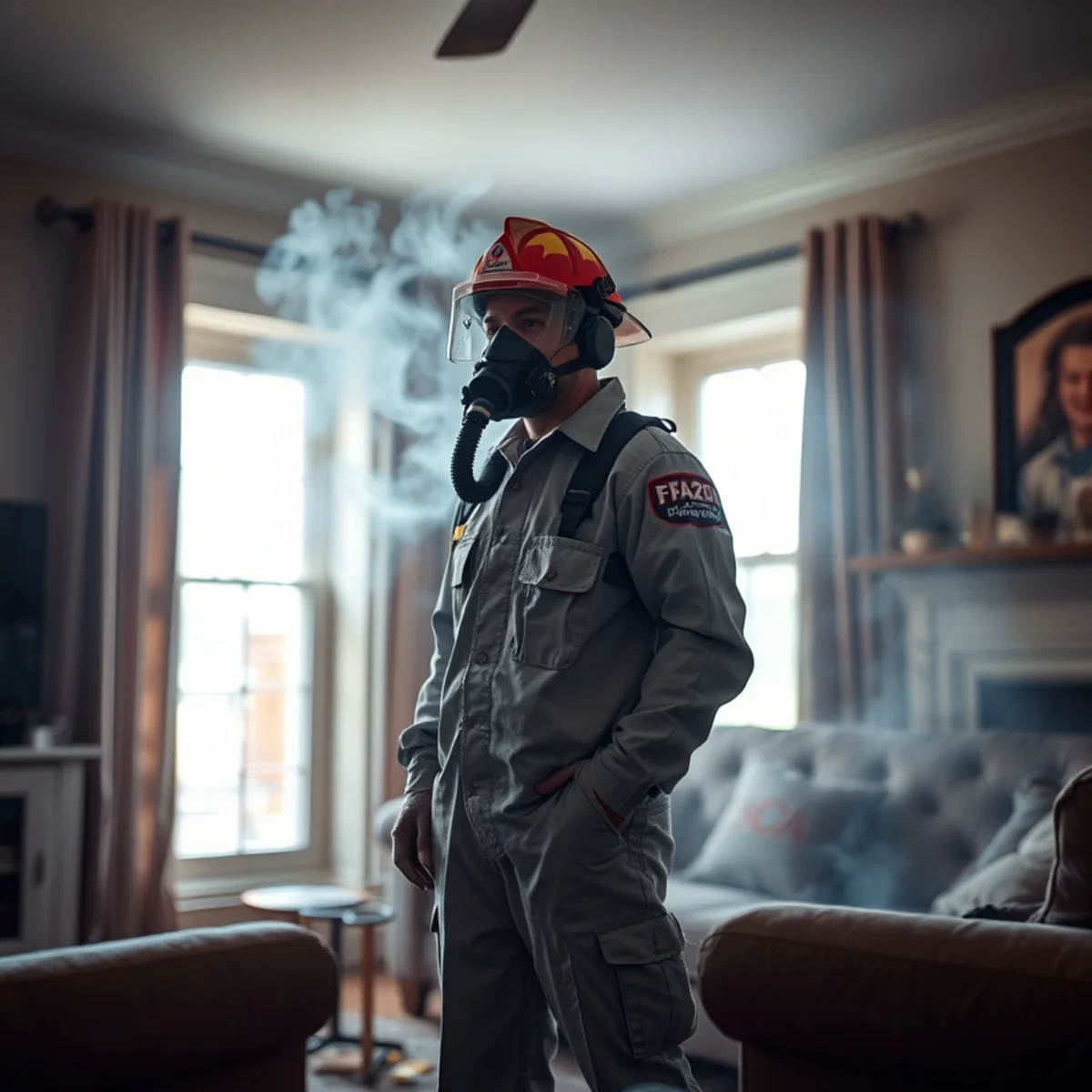
Thermal fogging fights heat with heat. A deodorizing compound is heated into a dense, dry fog of tiny particles that behave the way hot smoke did. Released in the sealed space, the fog is pushed into the same cracks, cavities, and pores the smoke penetrated, pairing with and neutralizing the odor molecules it meets. Because it mimics the physics of the original event, thermal fogging reaches into wall voids and around trim in a way a spray never could. The space has to be unoccupied during treatment and ventilated afterward. It is a strong choice for structural odor after a significant fire, and it is one of the methods our smoke odor removal crews rely on most.
Ozone
Ozone generators make ozone gas, which is oxygen with a third atom attached. That extra atom is unstable and reacts with odor molecules in the air and on exposed surfaces, breaking them apart rather than covering them. Ozone is powerful and works quickly on heavy odor. It is also hazardous. Ozone is harmful to breathe, it irritates lungs and eyes, and it degrades rubber, some plastics, elastic, leather, artwork, and houseplants. For those reasons it is only used in a completely vacated, sealed structure, with no people, pets, or plants inside. After treatment the gas needs time to break back down into ordinary oxygen, often from thirty minutes to several hours, before anyone re-enters. It reaches where air circulates, but not deep into dense materials the way fogging does.
Hydroxyl
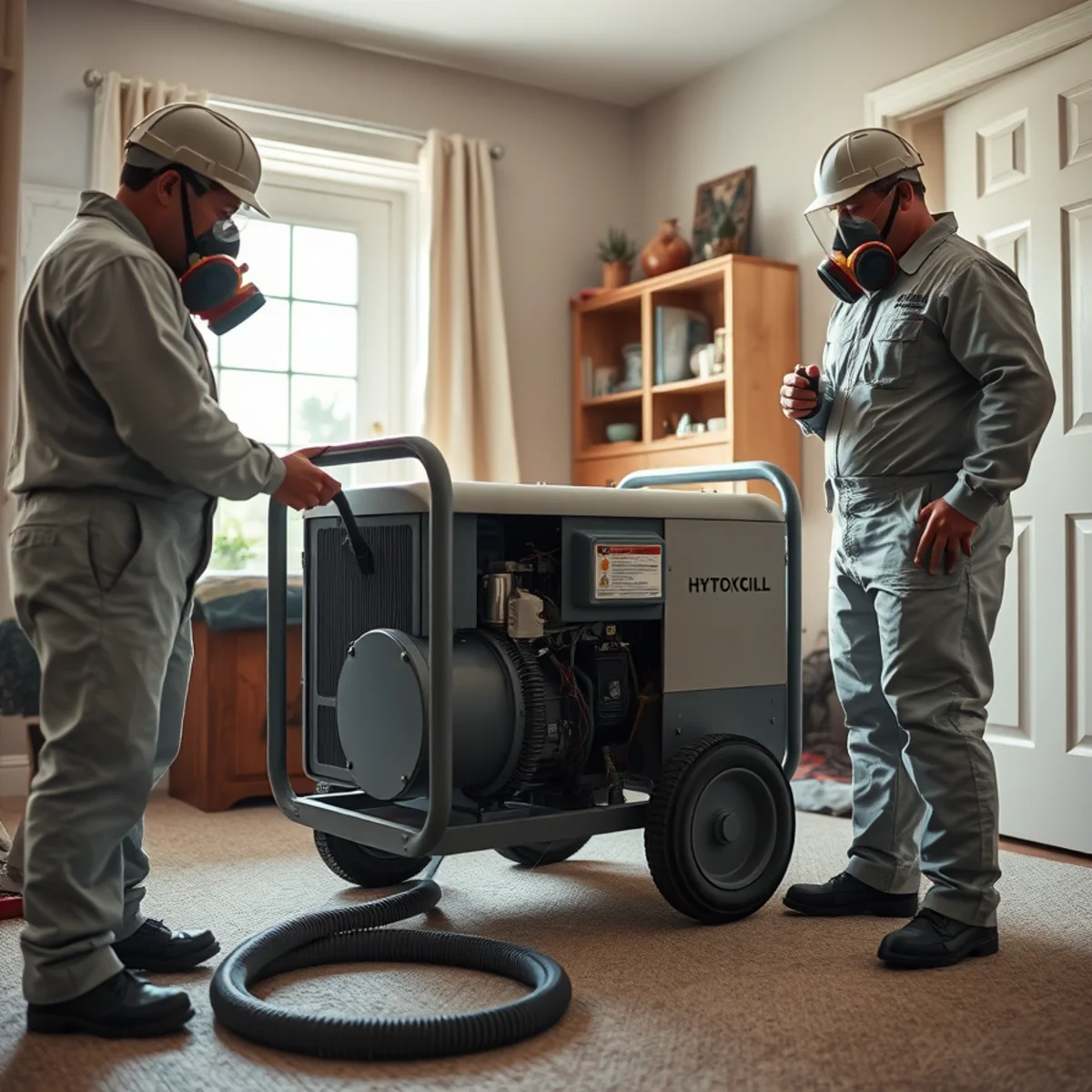
Hydroxyl generators take the gentler path. They use ultraviolet light to produce hydroxyl radicals, the same molecules sunlight creates in the atmosphere to break down odors and pollutants outdoors. Hydroxyls neutralize odor and many airborne compounds, and they are safe enough that the equipment can often run in occupied spaces. A crew can keep working, or a family can sometimes stay in unaffected parts of the home, while treatment continues. The trade-off is time. Hydroxyl is slower than ozone and usually runs for a day to several days. It is also gentler on materials, which makes it the safer choice around electronics, artwork, and delicate contents.
How the Right Method Gets Chosen
No single method is best for every fire. The choice depends on how severe the odor is, what materials are involved, whether the home can be vacated, and how fast the space is needed. Heavy structural odor after a serious fire often calls for thermal fogging, sometimes followed by ozone in a fully emptied house. Occupied homes, sensitive contents, and lighter odor lean toward hydroxyl. Frequently the work is layered: clean every surface first, because no deodorizer overcomes soot left in place, then treat the structure, then handle belongings separately.
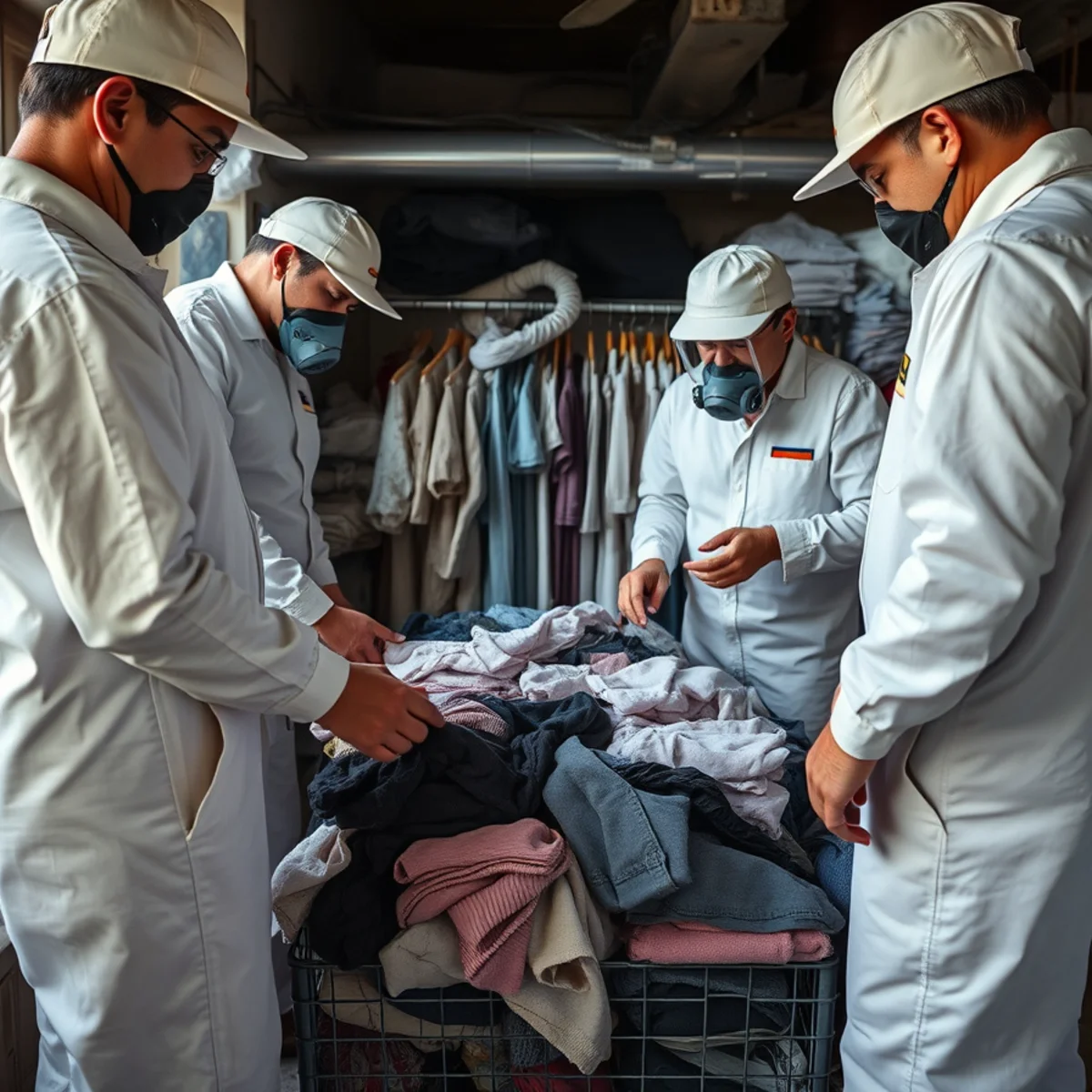
That last point matters in a neighborhood like Virginia-Highland, where the 1920s Craftsman bungalows are full of original wood, built-ins, and plaster that hold odor. A recent job there paired hydroxyl treatment in the living space with a separate content cleaning process for the family's clothing and upholstery, since fabrics almost always need their own attention. Whether smoke-damaged clothes and furniture can be saved is often a deodorization question as much as a cleaning one.
The Safety Line You Should Not Cross
The most important practical difference is safety. Hydroxyl is designed to be used around people. Ozone is not. Consumer ozone machines are sold cheaply online, and homeowners sometimes run them to chase a smell, not realizing the gas is a respiratory hazard that can ruin the very belongings they are trying to save. If a technician recommends ozone, it comes with an empty house, sealed openings, and a re-entry window for a reason. Deciding whether it is even safe to stay in the home after a fire is its own question, and it is worth asking before anyone sleeps another night in a smoky house.
Smoke odor is beatable, but only with the method that matches your fire, applied in the right order and with the right precautions. Our smoke odor removal crews carry all three tools and choose based on what your home actually needs, across Virginia-Highland and greater Atlanta. If a smell keeps returning no matter how much you clean, call (866) 688-0301 and we will find where the odor is hiding and treat it at the source.