After a fire in a rented apartment, the first question is often about who pays for what. The short answer in Georgia is that it usually splits: the landlord's insurance covers the building, and your renters insurance covers your belongings and your displacement. The details, and the exceptions, are where it gets complicated.
This is general guidance, not legal advice, and leases and policies vary. But here is the framework most Georgia renters and landlords work within.
The basic split: building versus belongings
Think of it as two separate buckets. The structure is the landlord's responsibility to insure. Your personal property is yours. The two policies do different jobs, and neither one fills in for the other, which is where a lot of the confusion after an apartment fire comes from.
- Landlord's policy: the building, the structure, and common areas
- Your renters insurance: your belongings, and usually your living expenses if displaced
- The landlord's policy generally does not cover your personal property
- Your renters policy generally does not repair the building
Why renters insurance matters so much
This split is the reason renters insurance is worth having. If you do not carry it, the landlord's policy will not replace your furniture, clothes, or electronics, and you could be left covering your own displacement costs out of pocket.
A renters policy typically does three things after a covered fire: it replaces or repairs your damaged belongings up to your limit, it pays additional living expenses for lodging and extra costs while you are displaced, and it provides liability protection if you are found responsible for the fire.
When the renter is at fault
Fault changes the picture. If the fire started because of a tenant's negligence, say an unattended stove or a misused space heater, the landlord's insurer may pay to repair the building and then seek reimbursement from the responsible tenant. That process is called subrogation.
This is another reason renters insurance is valuable. Most policies include liability coverage that can respond if you are found responsible for a fire that damages the building or a neighbor's unit. Without it, you could face that bill personally.
When the landlord or building is at fault
It runs the other way, too. If the fire traces to something the landlord was responsible for, like faulty wiring the landlord failed to maintain or a known code violation, the landlord may bear responsibility for the resulting damage.
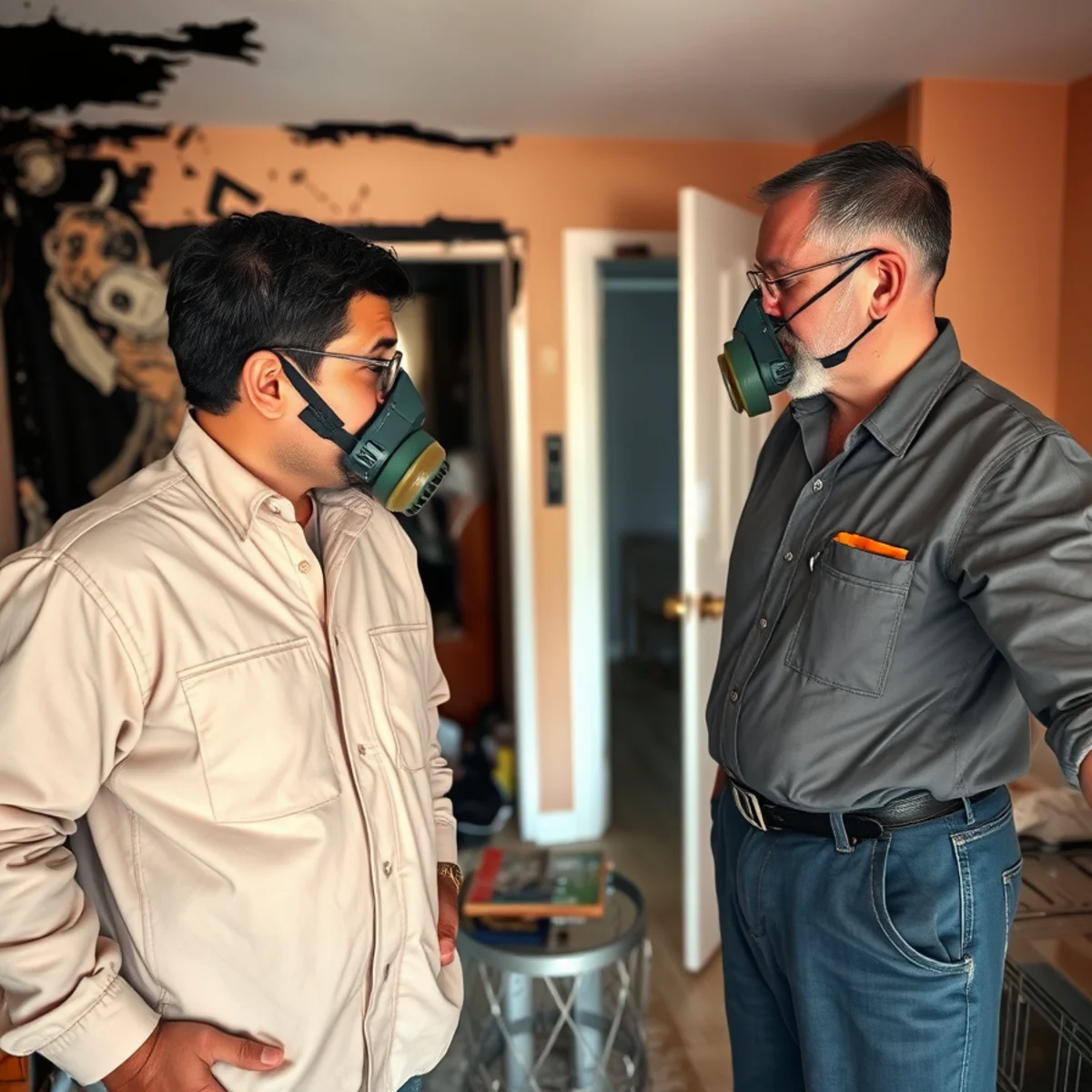
Georgia landlords have duties to keep rental property in reasonable repair. If a neglected electrical system caused the fire, that shifts the liability picture. Document the conditions, keep any prior maintenance requests you sent, and consider talking to your own insurer and, if needed, an attorney about your specific situation. Fault is not always obvious in the first days, and it can take a cause-of-loss investigation to sort out. That is one more reason to preserve evidence and avoid cleaning up before the scene is documented.
The Clarkston reality: dense older apartments
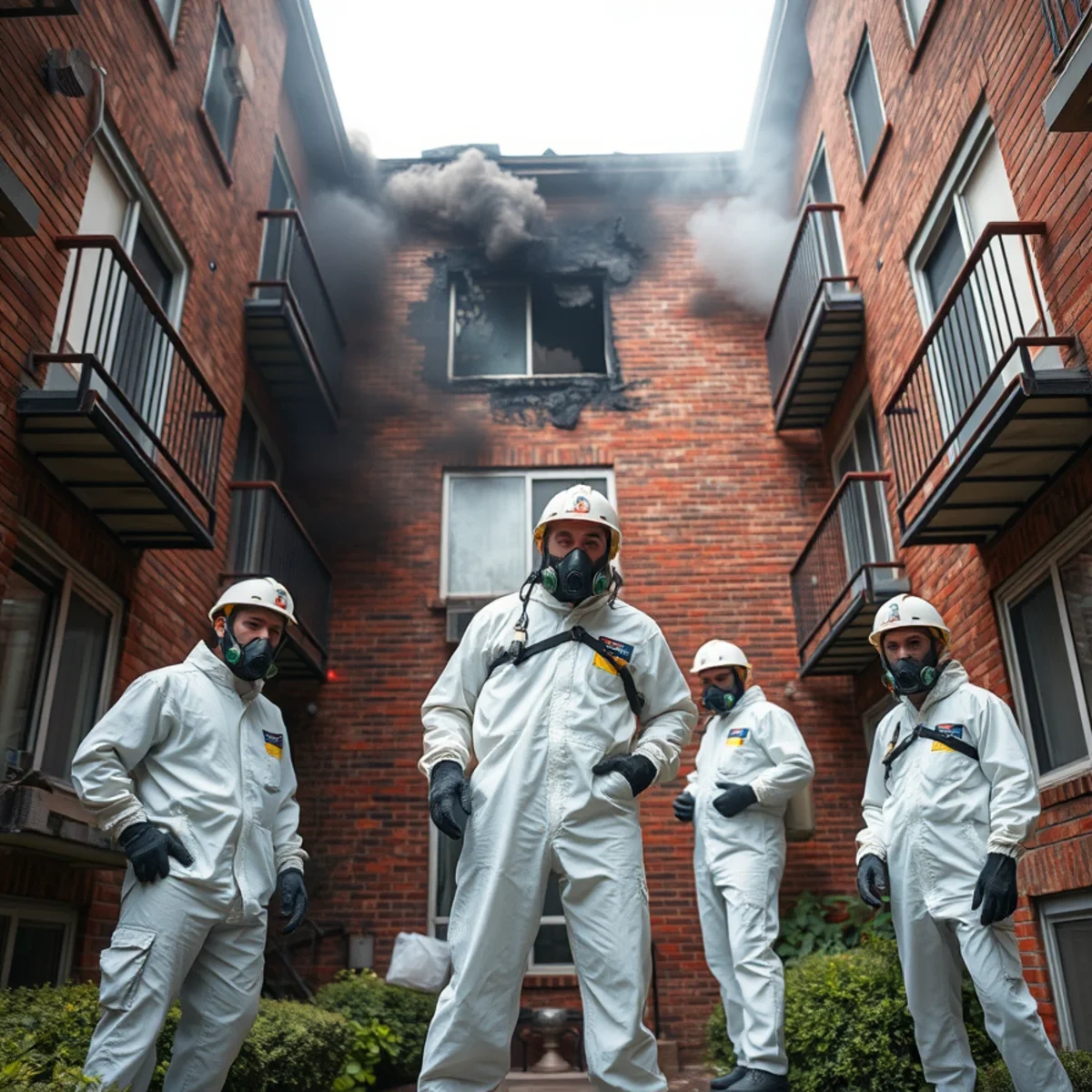
Clarkston is one of metro Atlanta's densest older-apartment cities, and its most common fire loss is a cooking fire in a close-quarters rental unit. That density changes the stakes. In tightly packed older buildings, one unit's fire quickly becomes several units' smoke problem.
Smoke does not stop at your door. It travels through shared attics, wall cavities, and hallways into neighboring units. So a single kitchen fire can generate the tenant's claim, the neighbors' smoke claims, and the landlord's structural claim all at once. Our apartment and condo fire restoration service is built for exactly this: scoping the whole affected building, not just the unit where the fire started.
Steps to take as a renter after a fire
Whatever the fault question turns out to be, your early steps are the same, and they mirror the wider response covered in our guide on what to do after an Atlanta apartment building fire.
- Get out and stay out until the fire department clears the building
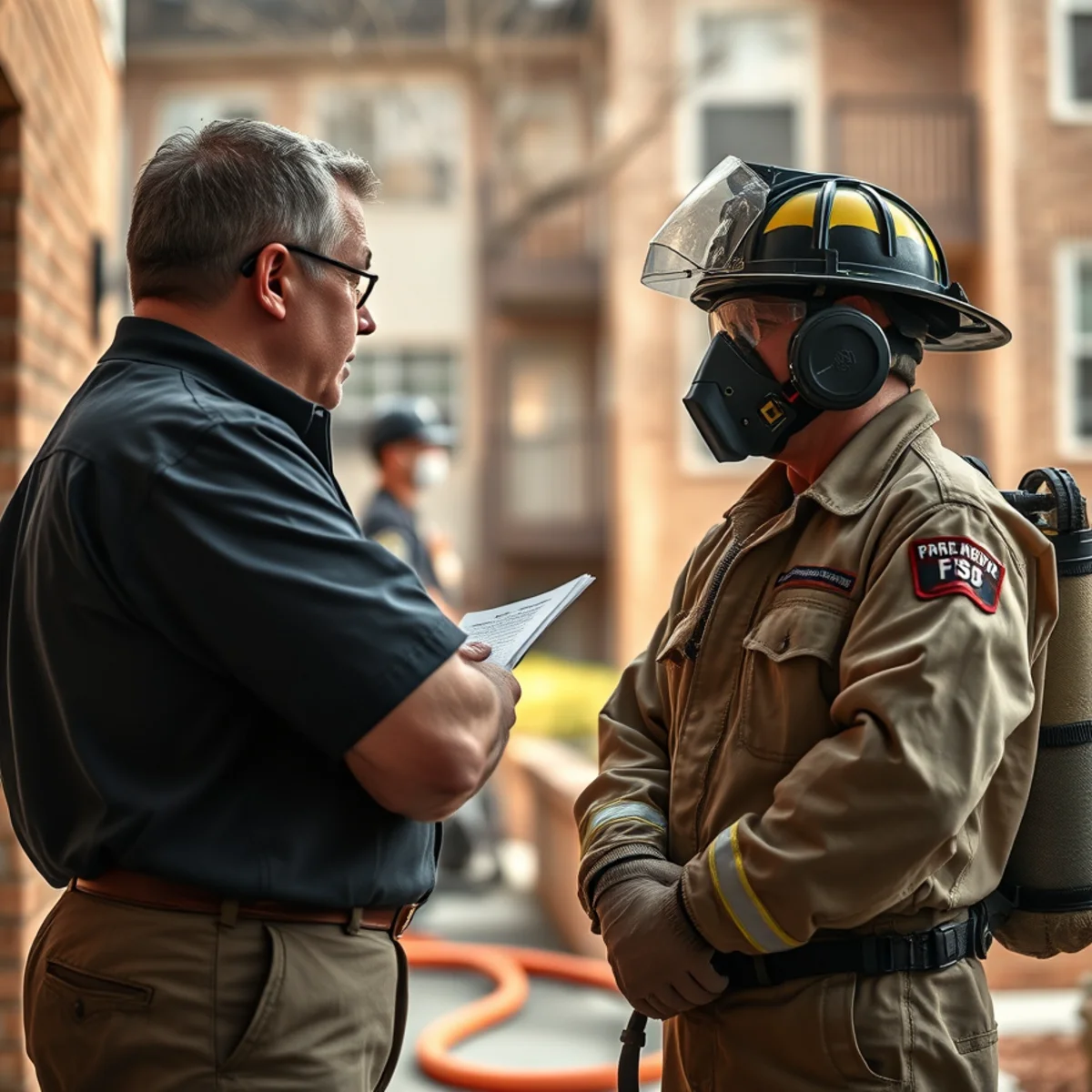
- Notify your landlord and your own renters insurer promptly
- Photograph and video your unit and belongings before cleaning anything
- Do not wipe soot; it is acidic, and setting the stain makes items harder to claim
- Keep receipts for lodging, meals, and anything you buy because of the fire
- Save damaged belongings until they are inventoried
For landlords and property managers
If you own or manage the building, your job is to secure the structure, file the building claim, and coordinate restoration fast, because every displaced tenant is a clock. Smoke that sits keeps spreading and keeps growing the loss. Our related guide for property managers on apartment fire response walks through the multi-unit playbook. The faster the building is scoped and secured, the smaller the total claim and the sooner residents return. Board-up and tarping also protect the property from weather and vandalism in the meantime, which are follow-on losses a landlord's insurer will expect you to have prevented.
Get the building and units scoped
Sorting out who pays is easier when the damage is documented clearly and the whole affected footprint is scoped from the start. That is the part we handle.
Fire Damage Atlanta restores apartments and condos across Clarkston and the metro, documents the loss for every party's insurer, and coordinates multi-unit cleanup. Call (866) 688-0301, day or night.