For a homeowner, the loss after a fire is the house. For a business, the fire is only the first loss. The second, and often the larger one, is every day the doors stay closed. Payroll continues, rent continues, customers drift to competitors, and revenue stops cold.
Minimizing downtime is the real objective of commercial fire restoration, and it is a different discipline from cleaning up a house. A closed business bleeds money on a clock, so the plan has to be built around reopening, not just repairing. Here is how Atlanta businesses shorten that closed window.
The clock starts the moment the fire is out
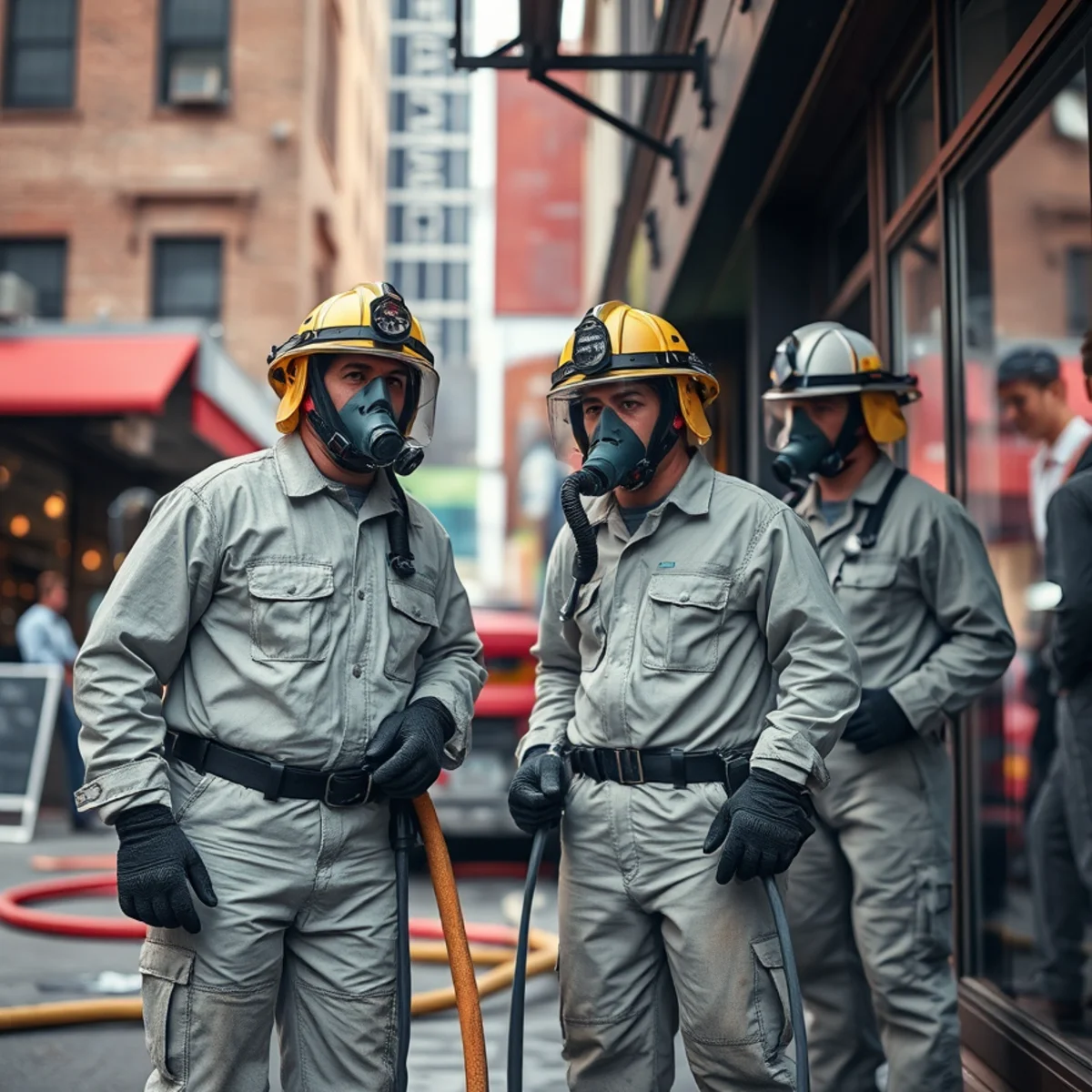
The first 24 hours decide how long you stay closed. After the fire department clears the scene, the priorities are securing the property, stopping secondary damage, and documenting the loss. Soot is acidic and etches metal, glass, and finishes within hours. Firefighting water triggers mold within a day or two. Every hour of delay adds to both the repair bill and the downtime, so a fast, competent first response is the single best investment you can make. Waiting until business hours to place the first call can add days of corrosion, drying, and mold that you never fully recover.
- Board up and tarp to secure inventory, equipment, and the premises.
- Shut down the HVAC so it stops spreading soot through the space.
- Extract standing water and start structural drying before mold sets in.
- Photograph and inventory everything before anything is moved or cleaned.
Phased, zoned restoration reopens part of the business first
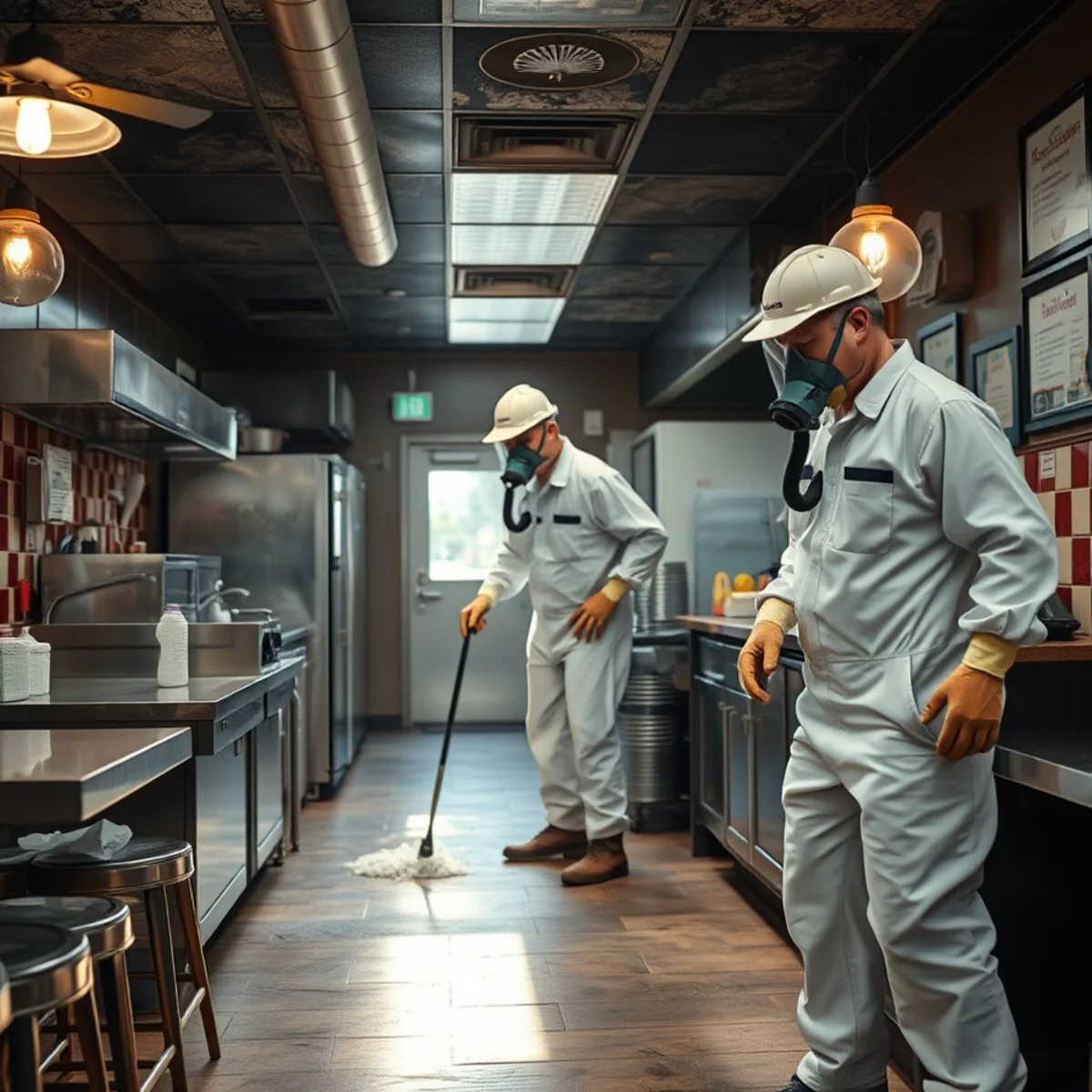
This is the single biggest downtime saver. Rather than closing the entire footprint until everything is perfect, we isolate the fire zone and restore the rest in phases. A retail store may reopen the sales floor while the stockroom is worked. An office may bring two floors back while the third is rebuilt. A warehouse may keep shipping from an undamaged bay.
Containment barriers and negative-air machines keep dust and odor out of the zone you are still operating in, so partial revenue keeps coming while the heavy work continues behind the barrier. Reopening at 60 percent is almost always better than staying dark at zero. We sequence the work so the highest-revenue areas come back first, which is not always the same as the least-damaged ones.
Document early to protect business interruption coverage
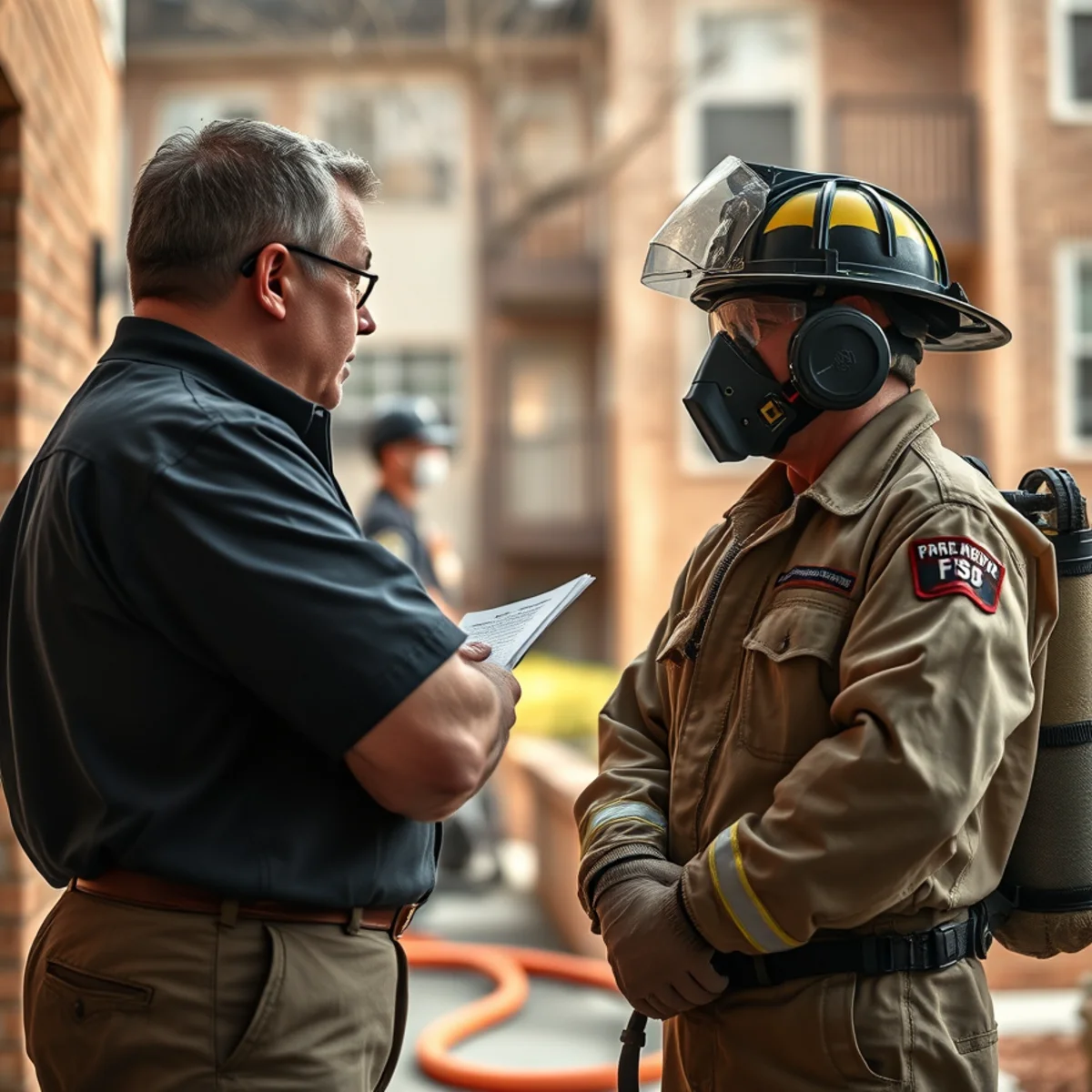
Most commercial policies include business interruption coverage that reimburses lost income during restoration. It only pays what you can prove, so the records you keep from day one directly affect what you recover. Put one person in charge of that record from the first day, before the details blur together.
- Pre-loss financials that establish your normal revenue.
- A dated log of the closure and every restoration milestone.
- An itemized inventory of damaged stock, equipment, and fixtures.
- Receipts for emergency expenses and any temporary relocation.
Save the equipment, electronics, and records
Replacing everything is slow and expensive, and a long lead time on new equipment can keep you closed longer than the cleanup itself. Much of it can be recovered instead, if soot is neutralized before it does permanent damage. Cleaning is usually faster and far cheaper than reordering, and on a downtime clock, faster is the whole point.
- Electronics and machinery often survive if soot is neutralized before it corrodes circuit boards and contacts.
- Documents, files, and inventory can frequently be cleaned, dried, and deodorized rather than discarded.
- Specialized cleaning restores tools, appliances, and furnishings at a fraction of the cost and time of replacement.
Keep staff and customers in the loop
Downtime is not only physical. If your team drifts to other jobs and your customers assume you are gone for good, reopening the building does not bring the business back. Tell staff the plan and the timeline so you keep your people through the closure. Post reopening updates where customers already look, from signage to your phone line to your usual channels. If you can operate partially or relocate temporarily, say so loudly and often. A short, honest note about when you expect to reopen holds customers better than silence ever will.
Have a recovery plan before you need one
The businesses that reopen fastest are usually the ones that decided how they would respond before the fire ever happened. You do not need a thick binder, just a few decisions made while things are calm. Even a one-page plan taped inside a manager's binder changes how the first hour goes.
- Know what your policy covers, including the terms and limits of business interruption.
- Keep current financials and an equipment inventory somewhere off-site or in the cloud.
- Identify a restoration partner now, so the first call is fast instead of a scramble.
- Decide in advance who is authorized to approve emergency work when the owner cannot be reached.
A local crew that reopens Atlanta businesses
We are based downtown at 191 Peachtree St NE, minutes from Atlanta's business core, and we have seen how fast a commercial loss can idle a company. The 2008 tornado that tore through the CNN Center and the Westin Peachtree Plaza, blocks from our office, taught local owners the same lesson a fire does: the businesses that plan for fast, phased recovery reopen soonest. Our commercial fire damage restoration teams respond 24/7, work in phases to shrink your closed window, and coordinate the claim so the numbers hold up. If fire closes your business, call us right away at (866) 688-0301.