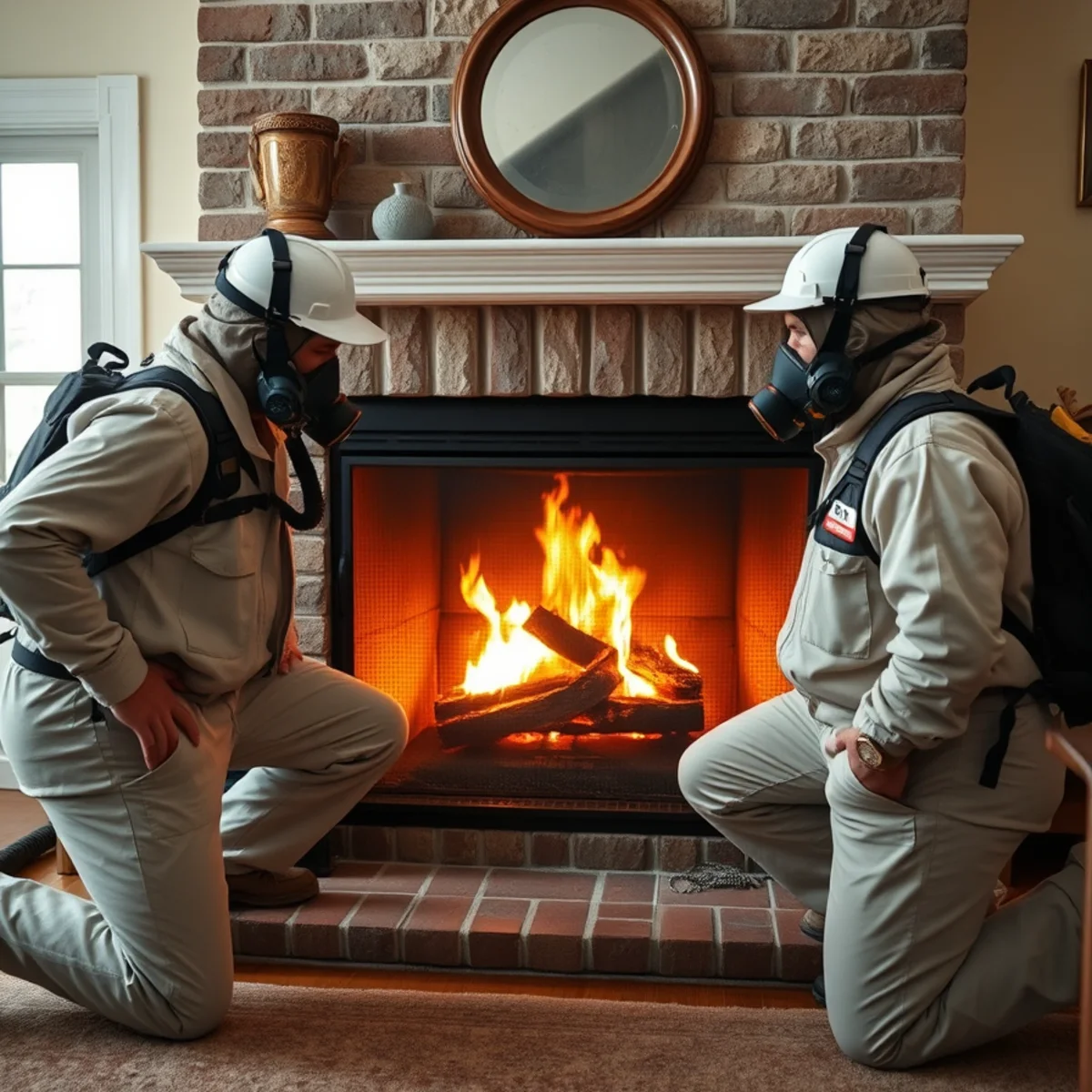
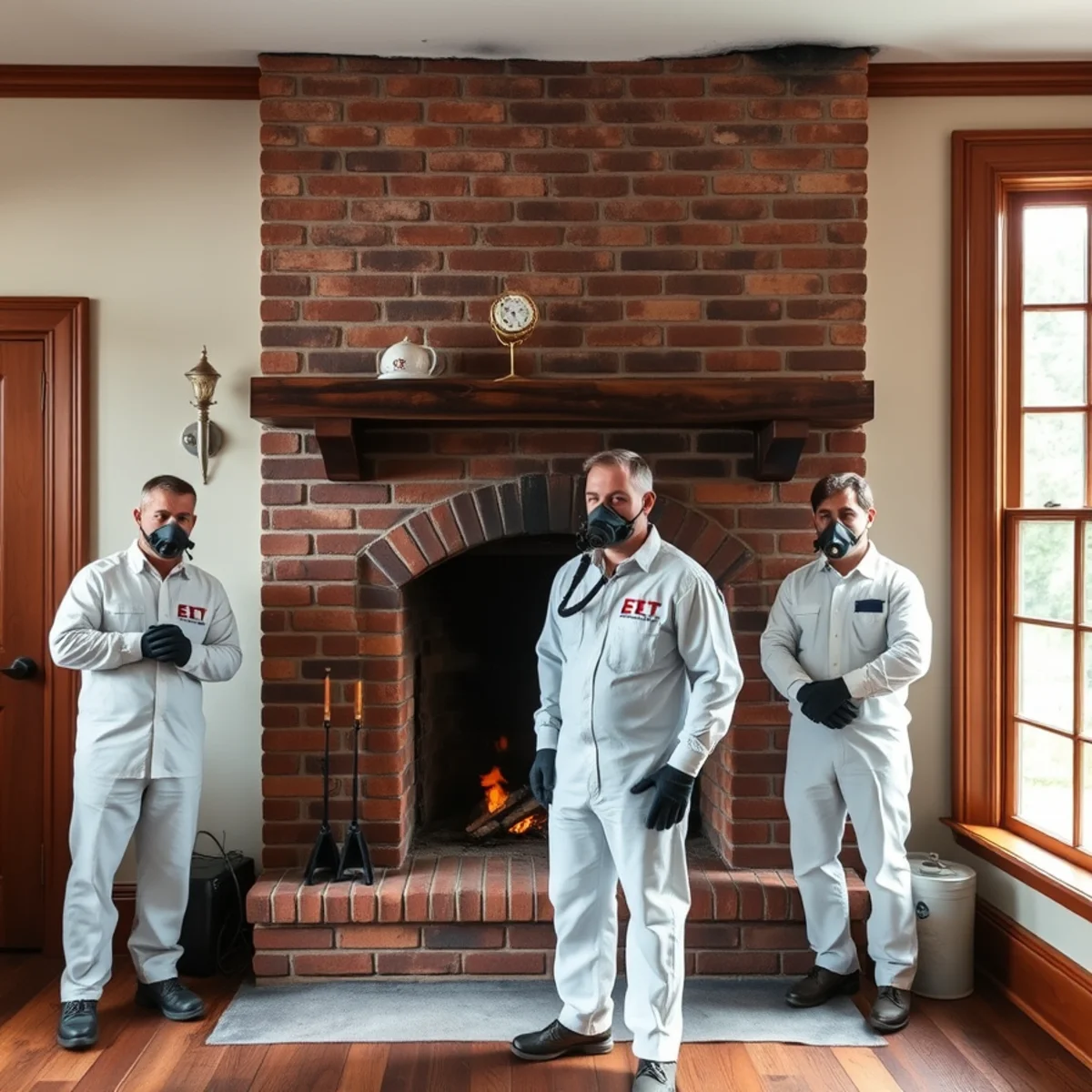
Part of what makes Inman Park feel like Inman Park is the fireplaces. Walk into one of its 1890s Victorians and you will often find two, three, even four original mantels, some built for coal and later switched to wood. They are gorgeous, and after more than a hundred winters, a lot of them are also the most overlooked fire hazard in the house.
The danger is not the fireplace itself. It is what collects inside the chimney above it. Burn wood season after season without cleaning the flue and you build creosote, and creosote is what turns a cozy fire into a chimney fire.
What creosote is and why it builds up
When wood burns, the smoke that rises carries unburned tar, soot, and moisture. In the cooler upper reaches of the flue, that residue condenses and sticks to the walls as creosote, a dark and highly flammable coating that ranges from a dusty soot to a hard, shiny glaze. It builds faster with slow smoldering fires, damp or unseasoned wood, and a flue that does not draft well, all common in older homes. Let enough of it accumulate and a single hot fire can ignite the lining of the chimney itself. The more slowly and coolly a fire burns, the more residue it leaves behind, which is why long, choked overnight fires in an old home are the worst offenders.
What a chimney fire does to an old flue
A chimney fire is the creosote burning inside the flue, and it burns hot enough to crack clay tile, break down mortar joints, and, in an old masonry chimney with gaps, reach the wood framing that runs close alongside it in these houses. Some chimney fires are dramatic, with roaring and flames shooting out the top. Many are quiet, a slow burn you never see that quietly damages the flue and leaves the next ordinary fire able to spread into the wall. Either way, the chimney is compromised afterward and unsafe to use until a professional inspects it.
Why historic Atlanta chimneys are especially at risk
Old intown chimneys stack up several risk factors at once:
- Original flues are often unlined, or lined with old clay tile that has cracked with age.
- Mortar joints deteriorate over a century, opening gaps toward nearby framing.
- Many were built for coal and later burned wood, which produces far more creosote.
- Years can pass between professional sweeps in a house that has changed hands several times.
- Missing or damaged caps let in rain, animals, and nesting debris that block the draft.
- Multiple fireplaces sharing one old stack multiply the surfaces where creosote hides.
Inman Park's Victorians
Inman Park was Atlanta's first planned suburb, laid out around 1889, and its grand homes along Euclid and Elizabeth still carry their original chimneys. Owners here tend to protect the historic details, which is the right instinct, but a beautiful mantel can sit under a flue that has not been cleaned in years. The same is true across Grant Park, West End, and the other intown neighborhoods where wood-burning fireplaces are original to the house. If you have bought into one of these homes and lit a fire without knowing the chimney's history, an inspection is overdue.
How to prevent a chimney fire
Prevention here is simple and seasonal:
- Have the chimney inspected and swept every year by a certified chimney sweep, before the first fire of the season.
- Burn only seasoned hardwood, split and dried at least six months. Never burn trash, cardboard, or a Christmas tree.
- Build hot, bright fires rather than smoldering ones, since low slow fires produce the most creosote.
- Install a proper cap and screen to keep out rain and animals.
- Do not lean on the fireplace as primary heat through a cold snap, which usually means long, choked fires.
- Keep a working smoke alarm nearby and never leave a fire unattended.
What an inspection actually checks
A proper chimney inspection is more than a look up the flue with a flashlight. A certified sweep checks the flue lining for cracked or missing tile, measures the creosote buildup and its type, looks at the mortar joints and the exterior masonry for gaps and spalling, confirms the cap and screen are intact, and makes sure nothing has nested inside over the summer. In an old Inman Park chimney, they are also confirming that the flue is lined at all, since some original stacks never were. You come away knowing whether the chimney is safe to burn, needs a sweep, or needs masonry repair before the next fire. It is a small annual cost against a fire that can reach the framing of a historic home.
After a chimney fire
If you have had a chimney fire, or suspect one from a lot of roaring, a hot chimney, cracked tiles, or smoke pushing into a room, stop using the fireplace and have it inspected before you light another. This is the heart of winter and holiday fireplace safety, and it belongs on any prevention checklist for an older Atlanta home. When a fire spreads beyond the flue into the walls or attic, the smoke and soot reach the whole house through the same old open framing that makes these homes charming. Our fire damage restoration teams handle it end to end, from securing the home to soot removal, odor treatment, and rebuilding the masonry and framing, and we document the loss for your insurer. Call (866) 688-0301, day or night.