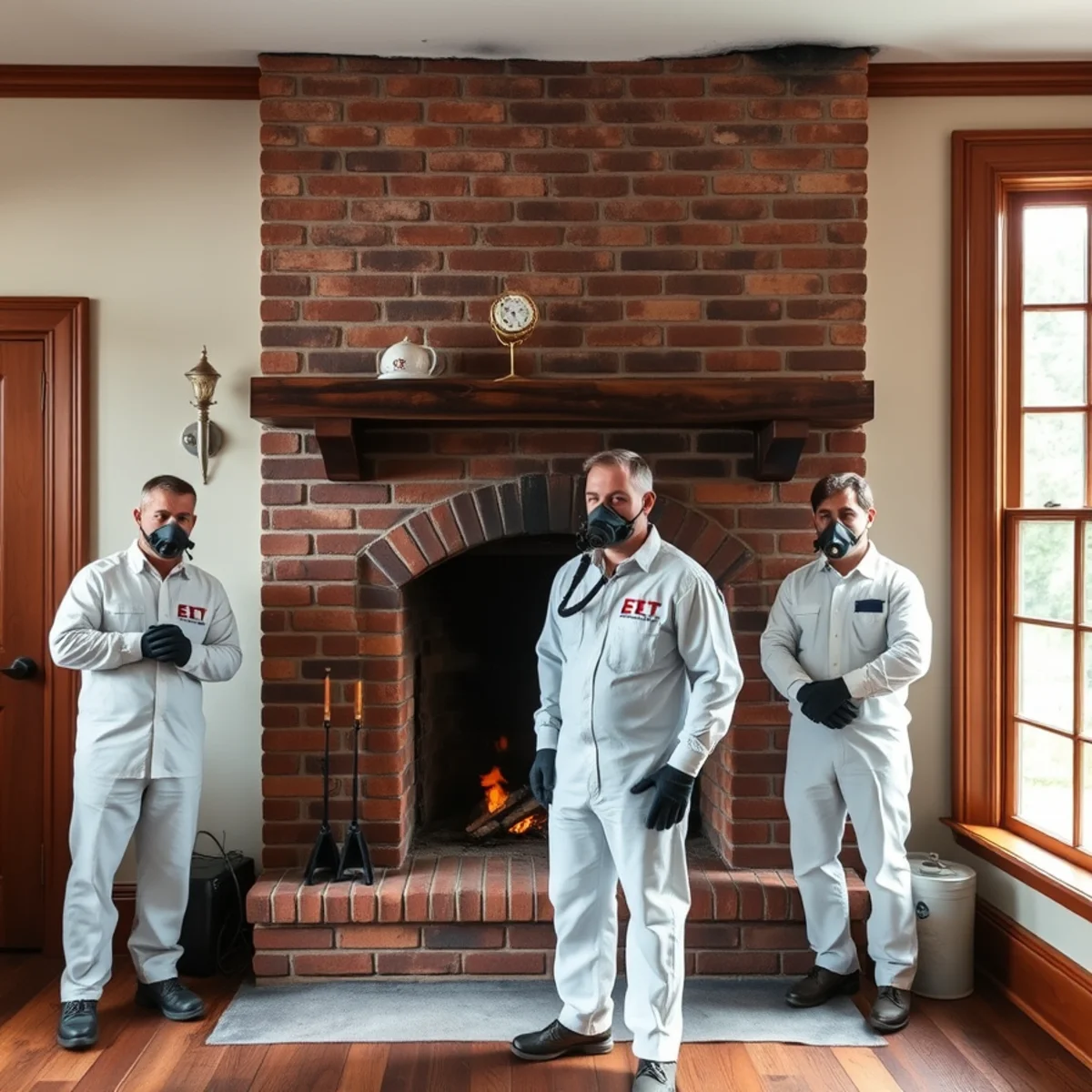
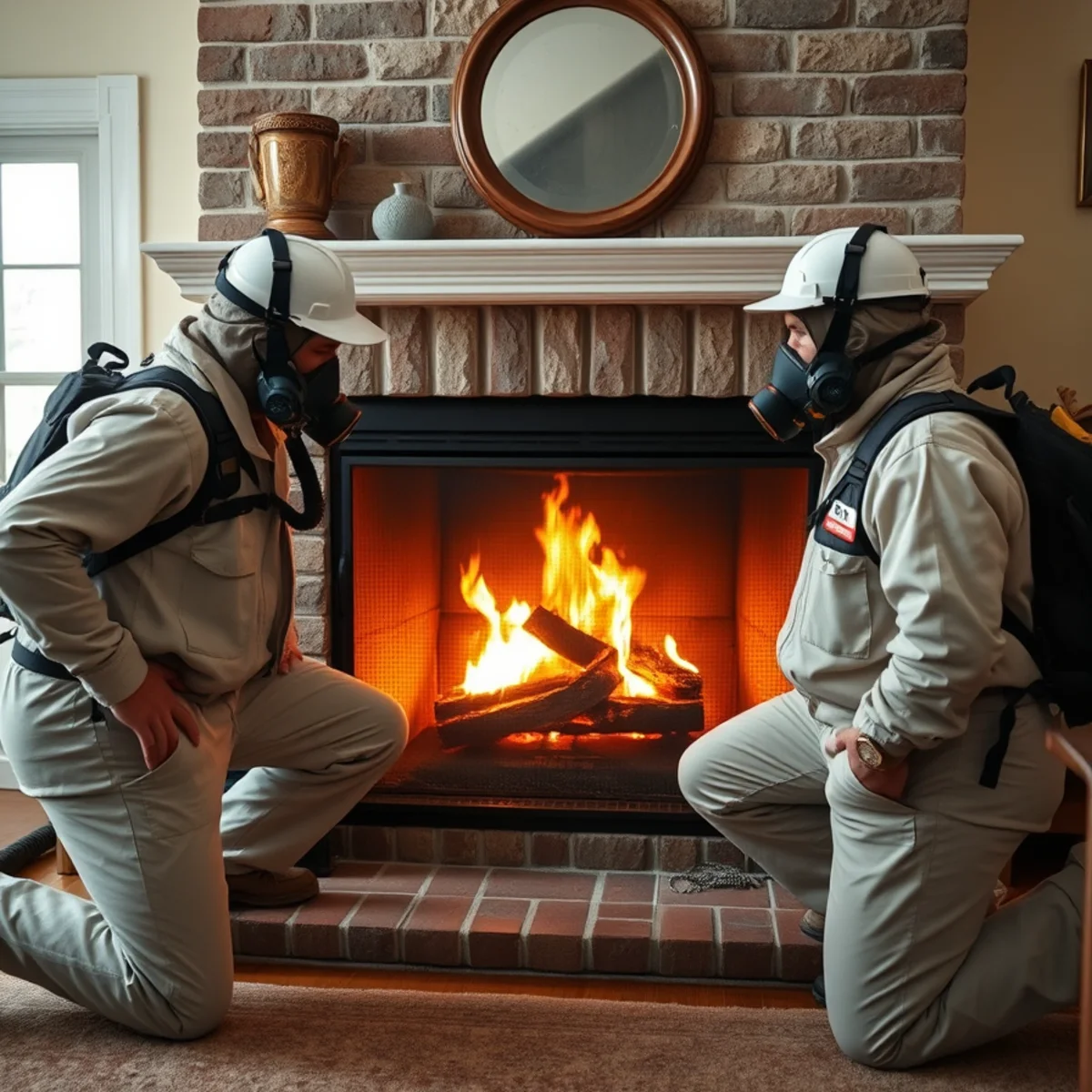
Atlanta winters are short, but they turn cold enough that the fireplace earns its keep for a few months a year. A fire on a January night is one of the real pleasures of an older home. It is also the season when we get calls about chimney fires and hearth accidents that a little preparation would have prevented.
A well-kept fireplace is safe. A neglected one is a slow-building hazard, because the risks accumulate quietly between the times you actually light a fire. Here is the fireplace and chimney safety routine worth following before and during the burning season, whether you have a wood-burning firebox, gas logs, or an insert.
Start with an annual inspection and sweep
Before the first fire each season, have a certified chimney sweep inspect and clean the flue. Every wood fire deposits creosote, a tarry and highly flammable residue, on the inside of the chimney. Let enough build up and a normal fire in the box can ignite the flue, where temperatures climb past 2,000 degrees and can crack the liner or reach the framing.
In historic pockets like Avondale Estates, where 1920s Tudor homes keep their original masonry chimneys and steep roofs, that yearly inspection does double duty. It catches creosote, and it catches the cracked flue tiles, spalling brick, and mortar gaps that let heat and embers reach the wood structure behind the wall. On a nearly century-old chimney, the masonry needs as much attention as the soot.
Build and tend the fire safely
How you burn matters as much as how clean the chimney is. A few habits keep a fire contained to the firebox where it belongs, and most flue fires trace back to what went into the box, not to bad luck.
- Burn only seasoned, dry hardwood. Green or wet wood produces far more creosote.
- Never burn trash, cardboard, wrapping paper, or a discarded Christmas tree. They flare and throw embers up the flue.
- Keep the damper fully open while burning for proper draft.
- Use a metal screen or glass doors to stop popping embers from reaching the room.
- Keep the fire modest. A roaring fire overheats the flue and the surrounding masonry.
- Do not use gasoline, lighter fluid, or any flammable liquid to start or revive a fire.
Handle ashes like they are still hot, because they are
Improper ash disposal is a leading cause of house fires after the fire itself looks out. Embers buried in ash can stay hot enough to ignite for several days, long after you assume the fireplace has gone cold. A lidded metal ash can kept by the hearth is worth having as a permanent tool, not something you improvise in the moment.
- Wait at least 24 hours, then scoop ashes into a metal container with a tight lid.
- Never use a vacuum, a cardboard box, or a plastic bucket.
- Set the metal container outside on concrete, away from the house, deck, and anything combustible.
- Douse the ashes with water before final disposal.
Know the signs of a chimney fire
A chimney fire is not always the dramatic roar people expect. A slow-burning one can smolder unnoticed inside the flue while it cracks the liner and works toward the framing, which is why the annual inspection matters even if you have never had a scare.
- A loud cracking or popping sound from inside the chimney.
- Dense smoke or a strong, hot smell coming from the flue.
- A deep roaring sound, like a low-flying plane or a freight train.
- Flames or glowing embers visible at the top of the chimney.
- If you suspect one, get everyone out and call 911, then have the chimney inspected before you light another fire.
Watch the holiday hazards around the hearth
The mantel is prime real estate for stockings, garland, and candles, and that is precisely the problem. Holiday decorations are combustible and often sit within reach of heat and embers, right when the fireplace sees its heaviest use of the year.
- Keep stockings, greenery, and wrapping at least three feet from the firebox, and take stockings down before you light a fire.
- Never leave a fire burning when you go to bed or leave the house.
- Keep the screen in place during gatherings, especially with kids and pets underfoot.
- Position the Christmas tree well away from the fireplace and every other heat source, and keep it watered so it does not dry out.
Gas logs and inserts have their own rules
Gas fireplaces feel low-maintenance, but they still need attention each year, and their risks are different rather than absent.
- Have the gas line, igniter, and logs inspected annually for leaks and blockages.
- Keep the glass front closed per the maker's guidance. It gets hot enough to cause serious burns and stays hot after the flame is off.
- If you ever smell gas, do not light it. Leave the house and call your gas utility from outside.
- Keep the exterior vent or cap clear of leaves and nests so combustion gases can escape.
One more habit, and who to call
Add a carbon monoxide alarm on every level and near the bedrooms, since any fuel-burning fire can produce this odorless gas, and test it monthly. A blocked flue or a cracked heat exchanger can push carbon monoxide back into the house without a hint of smoke. If a chimney or fireplace fire ever gets away from you, get everyone out and call 911 first. Afterward, our fire damage restoration crews handle the smoke and soot, which travels far past the firebox into rooms across the house, and we document the damage for your insurer. Reach a live responder in Atlanta any time at (866) 688-0301.