An older home in Atlanta carries a certain kind of charm and a certain kind of risk. Heart-pine floors, plaster walls, and original fireplaces come with wiring, chimneys, and heating setups built for a different era, one with far fewer appliances plugged into the walls. Most house fires are preventable, and the ones we see most often trace back to a short list of predictable weak points.
This checklist walks your house one room at a time so you can find those weak points before they find you. Work through it slowly, over a weekend if you need to. Fix what you safely can, and flag anything electrical or structural for a licensed pro. If a fire does start, our fire damage restoration crews answer around the clock, but the goal here is to keep you from ever needing that call.
Start with the electrical system
In neighborhoods like Adair Park, where affordable early-1900s bungalows sit a short walk from the BeltLine's Westside Trail, original-era wiring often survives inside the walls. That wiring was never designed for window units, gaming rigs, and a dozen chargers at once. Cloth-insulated wiring, painted-over junction boxes, and a fuse box someone has fitted with oversized fuses are all common finds in these houses, and every one of them raises the odds of a fire starting inside a wall where you will not see it coming. Overloaded and aging circuits are a leading cause of older-home fires.
- Feel your outlets and switch plates. Warm, discolored, or buzzing devices mean stop using them and call an electrician.
- Retire extension cords used as permanent wiring. They are for temporary use, not for running a room.
- Look at your panel. A fuse box, or a brand like Federal Pacific or Zinsco, is worth a professional inspection.
- Never replace a blown fuse with a higher-amperage one. That defeats the protection the fuse exists to provide.
- Do not daisy-chain power strips, and avoid running heaters and window units off the same overloaded circuit.
- Watch for scorch marks or a burning-plastic smell near any outlet or the panel.
Walk through the kitchen
The kitchen is where most home fires begin, old house or new. Grease and unattended heat do the damage, and a cramped older kitchen puts flammable things close to the burners.
- Keep the cooktop and range hood free of grease buildup. Grease reignites easily.
- Clean the burner grates and the backsplash regularly. Baked-on residue is fuel.
- Store dish towels, paper, and mail away from the burners.
- Keep a kitchen-rated extinguisher within reach, not buried under the sink behind cleaning bottles.
- Never leave frying unattended. Most kitchen fires start on a stovetop someone walked away from.
- If a pan catches, slide a lid over it and cut the heat. Do not carry it or add water.
Check heating, the fireplace, and the chimney
Atlanta's cold snaps are short but real, and heating equipment causes a sharp spike in winter fires. When an ice storm knocks out power, space heaters and candles come out across the city, and that is exactly when heating fires climb. Older masonry fireplaces and portable heaters need the most attention of anything on this list once the temperature drops.
- Have the furnace serviced before winter. Dust burn-off, cracked components, and clogged filters start fires and leak carbon monoxide.
- Give space heaters three feet of clearance, and plug them straight into the wall, never a power strip.
- Have masonry chimneys swept and inspected yearly. Creosote buildup is what turns a cozy fire into a flue fire.
- Use a screen or glass doors to catch popping embers, and never leave a fire burning unattended.
Do not skip the laundry room
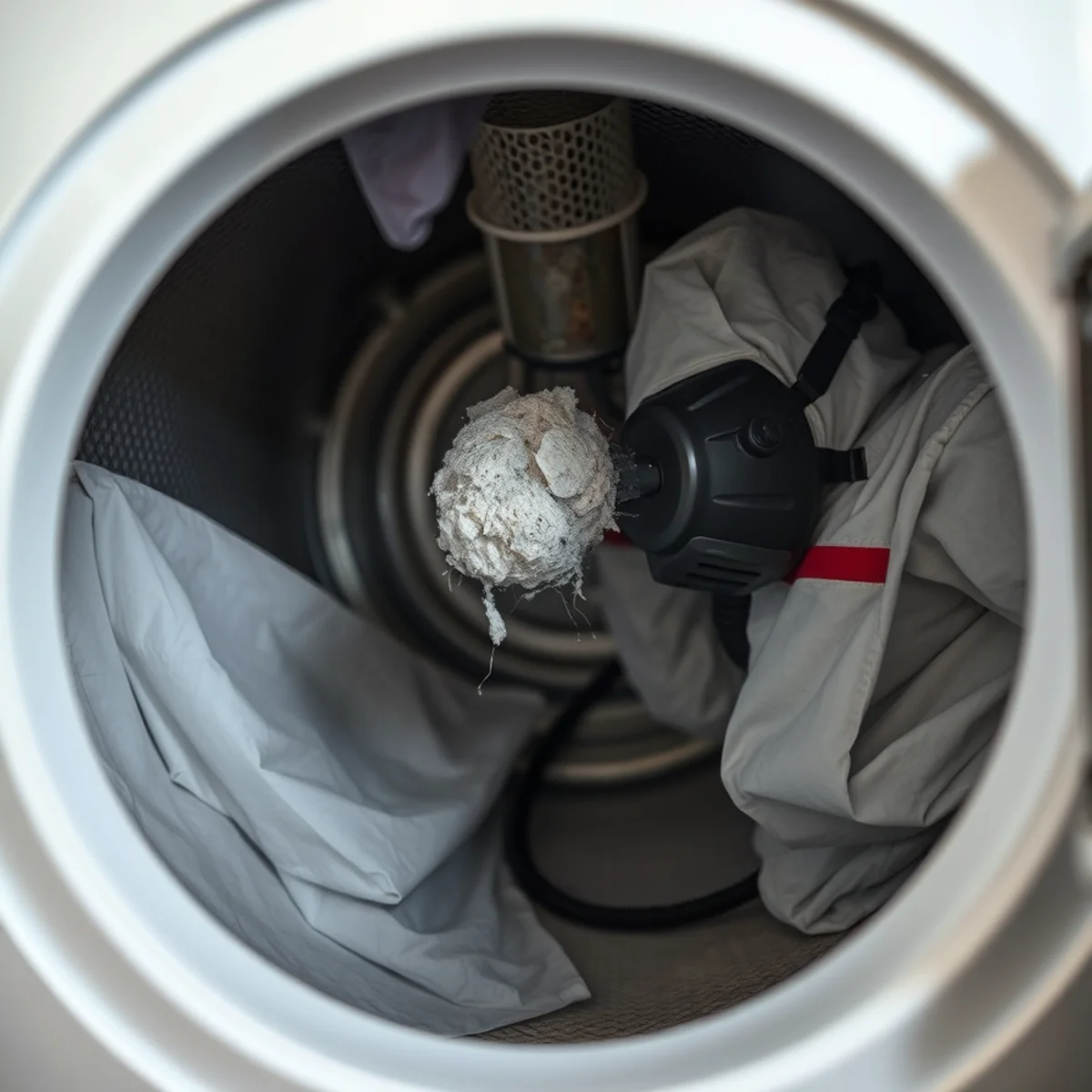
The dryer is one of the most overlooked fire hazards in the house. Lint is highly flammable, and it collects in the vent duct where you cannot see it. This is one of the cheapest and most effective pieces of fire prevention you can do, and it takes about twenty minutes a year.
- Clean the lint screen every single load.
- Have the vent duct cleaned at least once a year, more if you run heavy laundry.
- Watch for clothes that come out hot or a load that needs two cycles. Both signal a blocked vent.
- Replace ribbed plastic or thin foil transition hose with rigid or semi-rigid metal duct.
Bedrooms, hallways, and smoke alarms
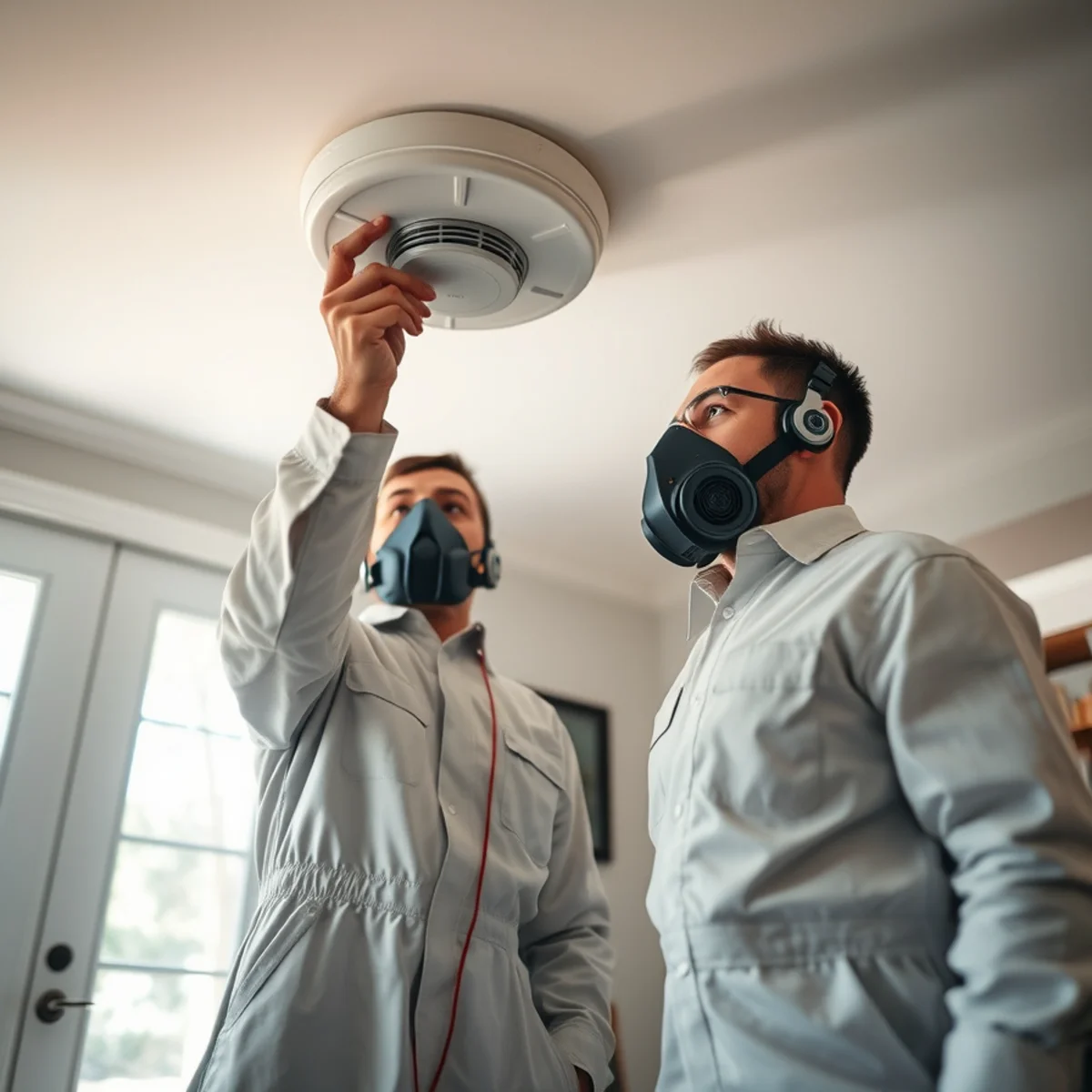
Working smoke alarms are the single biggest factor in surviving a home fire. Older Atlanta homes often have too few of them, or none in the right spots, because they were built before modern alarm codes existed. Placement and testing are worth a dedicated walkthrough of their own.
- Put an alarm inside every bedroom, outside each sleeping area, and on every level of the home.
- Test them monthly, and replace the whole unit every ten years even if it still chirps.
- Keep bedroom doors closed at night. A closed door slows fire and smoke and buys time.
- Plan two ways out of every room, and pick a meeting spot outside the house.
Finish outside and up top
The attic, basement, and exterior hold the hazards people forget until they matter. A quick seasonal check keeps them off the list.
- Clear stacked paper, paint, and rags away from water heaters, furnaces, and other heat sources.
- Store gasoline and propane outside the living space, well away from any pilot light.
- Keep brush, pine straw, and dry leaves off the foundation during dry spells.
- Know where your main electrical shutoff and gas shutoff are before you ever need them.
When prevention was not enough
A checklist lowers your odds, but no house is fireproof. If fire or smoke does reach your Atlanta home, turn off the HVAC so it stops circulating soot, leave the residue alone so you do not smear it into surfaces, and call us. Soot is acidic and starts etching finishes within hours, so the sooner a crew is on site, the more we save. Our fire damage restoration teams respond 24/7, document everything for your insurer, and clean soot the right way. Reach a live responder any time at (866) 688-0301.