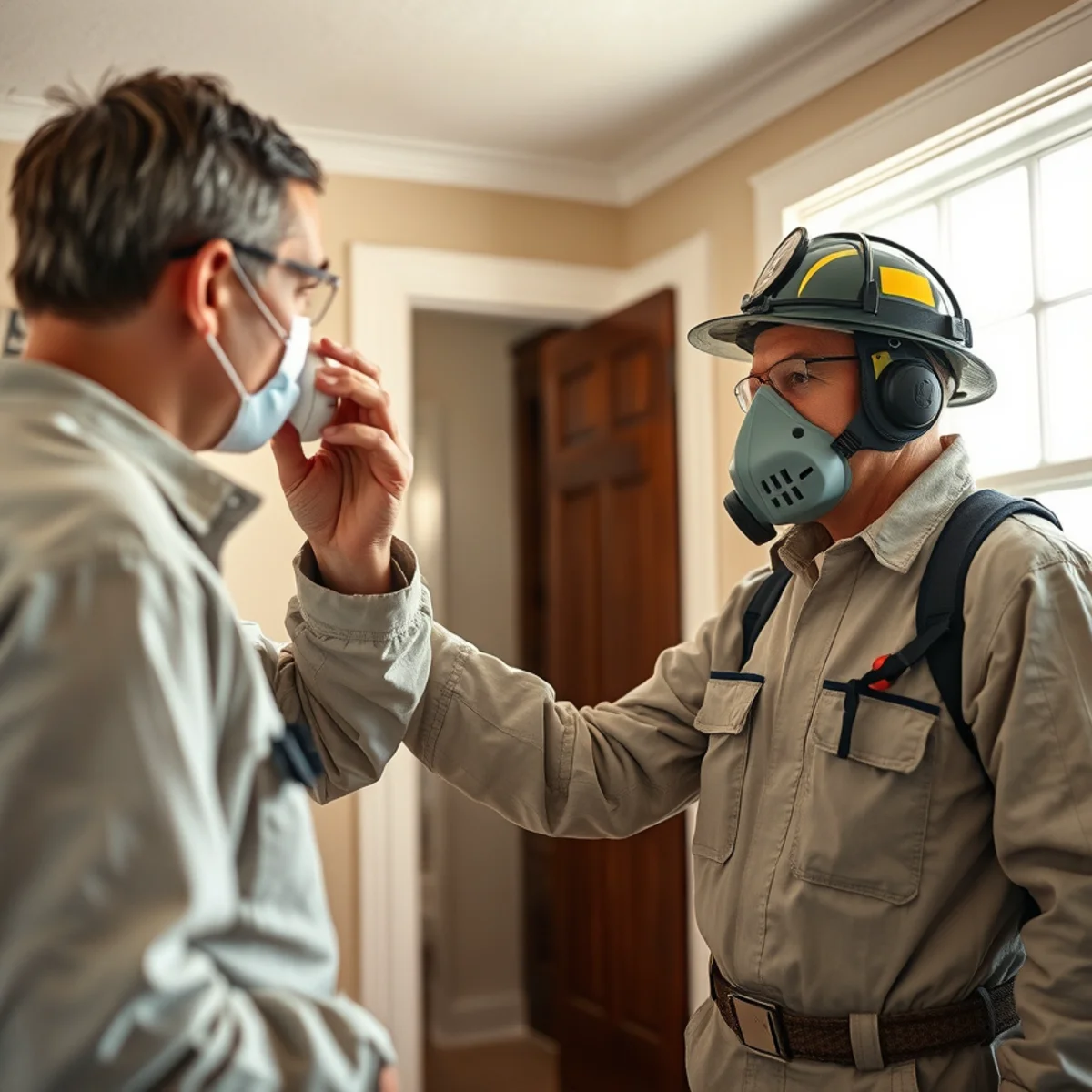
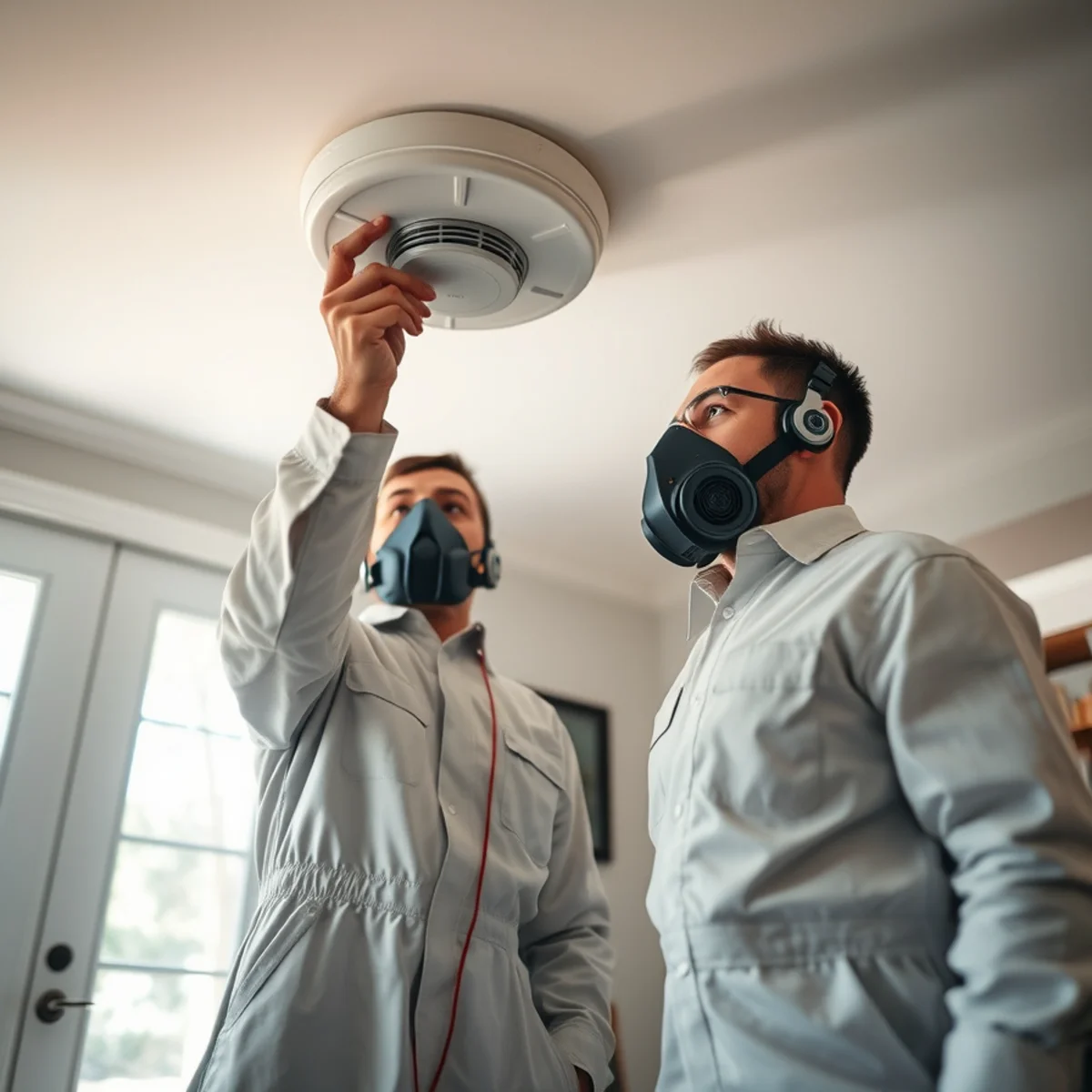
A working smoke alarm roughly cuts your risk of dying in a home fire in half. That single fact makes smoke detectors the highest-return safety step in any house, and the cheapest. Yet plenty of Atlanta homes have too few alarms, alarms in the wrong spots, or units so old they no longer sense smoke reliably.
Getting this right takes an afternoon and a handful of detectors. How many you need and where they go depends on the size and layout of your home. Here is a placement and testing guide that works for a one-bedroom condo, a sprawling multi-level house, and everything in between. None of it is expensive, and the whole project fits in an afternoon with a screwdriver and a fresh pack of alarms.
How many alarms, and where they go
The baseline from fire safety guidance is simple and scales to any home size. Count the spots below, and you have your number.
- One alarm inside every bedroom.
- One alarm outside each separate sleeping area, in the hallway that serves the bedrooms.
- At least one alarm on every level of the home, including a finished basement.
- In a large or multi-level home, add alarms at the top of each staircase and in the main living areas.
Placement details that make or break coverage
Where you mount an alarm changes how fast it reacts. A few inches in the wrong spot can leave a blind zone or cause the nuisance alarms that make people disconnect the unit entirely.
- Mount alarms high. Smoke rises, so the ceiling is best, or high on the wall within 12 inches of the ceiling.
- Keep them at least 3 feet from the corner where wall meets ceiling, where the air goes stagnant.
- Keep them about 10 feet from the stove and away from bathrooms to cut false alarms.
- Keep them clear of supply vents and ceiling fans that can blow smoke away from the sensor.
- Avoid mounting right beside windows or exterior doors, where drafts interfere with detection.
Big and multi-level homes need a plan, not scattered units
In a district like Druid Hills, where Olmsted-era homes near Emory University run three levels with long hallways and more than one staircase, a few loose alarms leave dead zones. A fire in a far wing can burn for minutes before a single hallway alarm reacts, and minutes are the whole margin. Interconnected alarms fix this: when one sounds, they all sound, so a fire in the basement wakes the bedroom on the top floor. You can interconnect by hardwiring or with wireless-linked units, and for a large house it is the most important upgrade you can make. After install, press one alarm and confirm the others sound within a few seconds to prove the link works.
Ionization, photoelectric, or both
Alarms sense smoke in two different ways, and the type affects how fast they catch a given fire. You do not have to memorize the science, only choose units that cover both. Pick dual-sensor alarms and you get coverage for both fast flames and slow smoldering without having to think about it again.
- Ionization alarms respond a little faster to fast, flaming fires.
- Photoelectric alarms respond faster to slow, smoldering fires, the kind that start in a couch or in wiring overnight.
- Dual-sensor alarms cover both and are the simplest choice for most rooms.
- Add carbon monoxide detection near sleeping areas and on every level. Combination smoke and CO units keep it simple.
Plan for anyone who needs extra warning
A standard alarm assumes everyone can hear it and get themselves out. Not every household can, and the plan should account for that from the start.
For someone who is deaf or hard of hearing, choose alarms that add a strobe light and a bed-shaker that tucks under the pillow. For heavy sleepers, small children, and older adults, interconnected alarms and a practiced escape route matter even more, because the warning has to reach a person who may not stir at a single beep down the hall.
Test, maintain, and replace on a schedule
An alarm is only protection if it works on the night it counts. Build these into your routine and it stays that way.
- Press the test button on every alarm monthly.
- Vacuum dust off the alarms a few times a year so buildup does not blind the sensor.
- Replace batteries yearly, unless the unit has a sealed ten-year battery.
- Replace the entire alarm every ten years. The sensor degrades even when the unit still chirps.
- Check the manufacture date on the back. If you cannot find it, the alarm is old enough to replace.
When the alarm does its job
A smoke alarm buys you the minutes that decide the outcome. If it wakes you to a real fire, get everyone out, stay out, and call 911. Once the fire is out, the smoke and soot left behind become the next problem, spreading through the HVAC and open doorways into rooms the flames never touched. Our emergency fire damage response teams answer around the clock, contain the smoke before it sets into surfaces, and document everything for your claim. The faster everyone is out and the sooner we are on site, the more of the home we save from the smoke and soot that follow the flames. Program the number into your phone now so you are not searching for it later: (866) 688-0301.