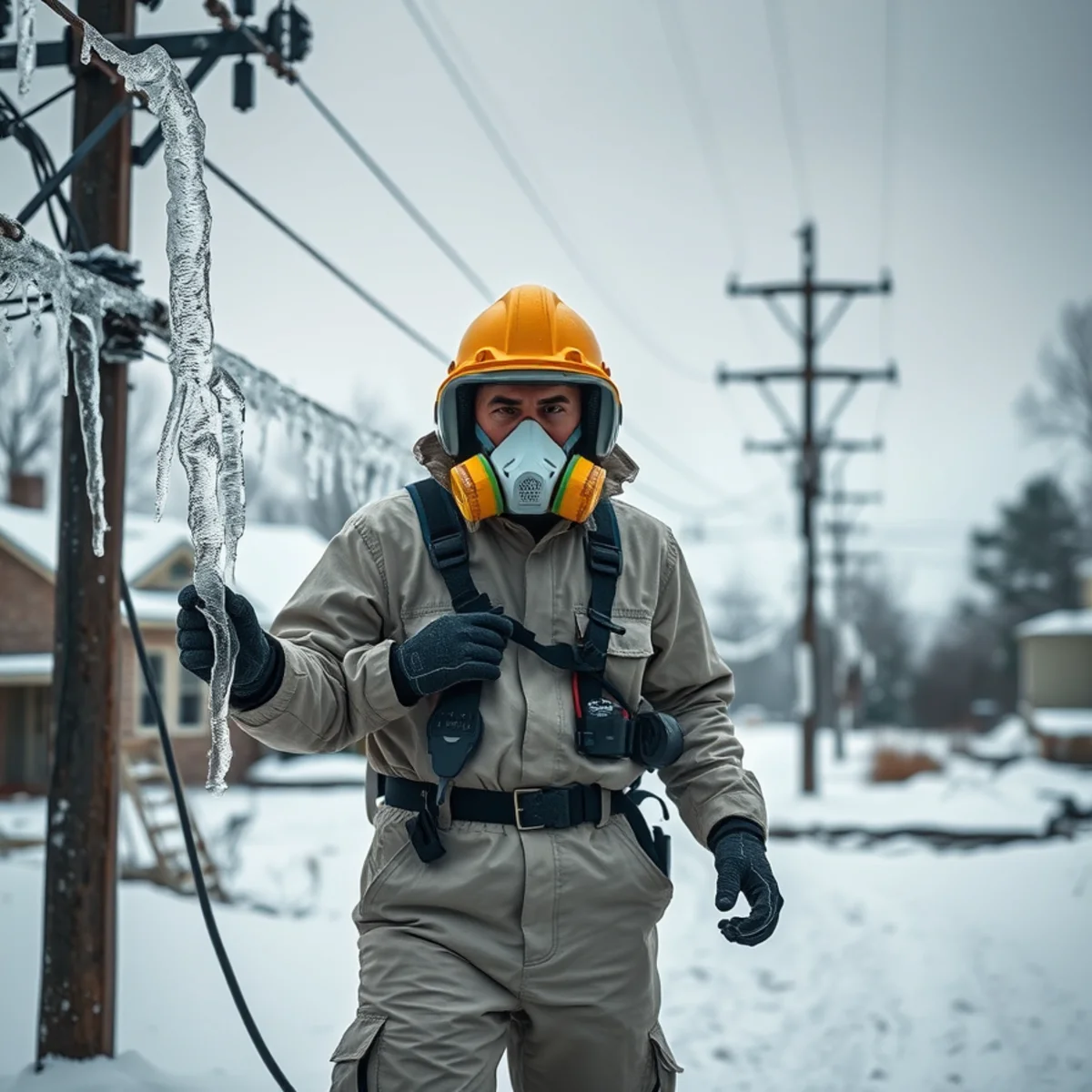
Atlanta does not shut down for snow so much as for ice. A quarter inch of freezing rain on the power lines and the tree limbs, and half the city goes dark. When the heat goes with it, people improvise, and every winter that improvising sends a wave of house fires through the metro. Fire crews see it each time a hard freeze takes out the power.
The 2014 ice storm left hundreds of thousands of Georgia Power customers without electricity, some for days. The pattern is familiar. The lights go out, the furnace stops, and out come the space heaters, the candles, the generators, and sometimes the kitchen oven left open for warmth. That is the winter fire spike, and it is very much an Atlanta problem.
Why ice is the real winter hazard here
Atlanta earned the nickname the city in a forest, and that dense tree canopy is exactly why ice storms hit our grid so hard. Freezing rain coats limbs and lines. Ice-loaded branches, many of them old hardwoods standing well above the roofline, snap and take the wires down with them. Whole neighborhoods lose power while the roads stay too icy for crews to reach them quickly. The outage is the trigger. The fires come from how people stay warm during it.
The chain reaction from outage to fire
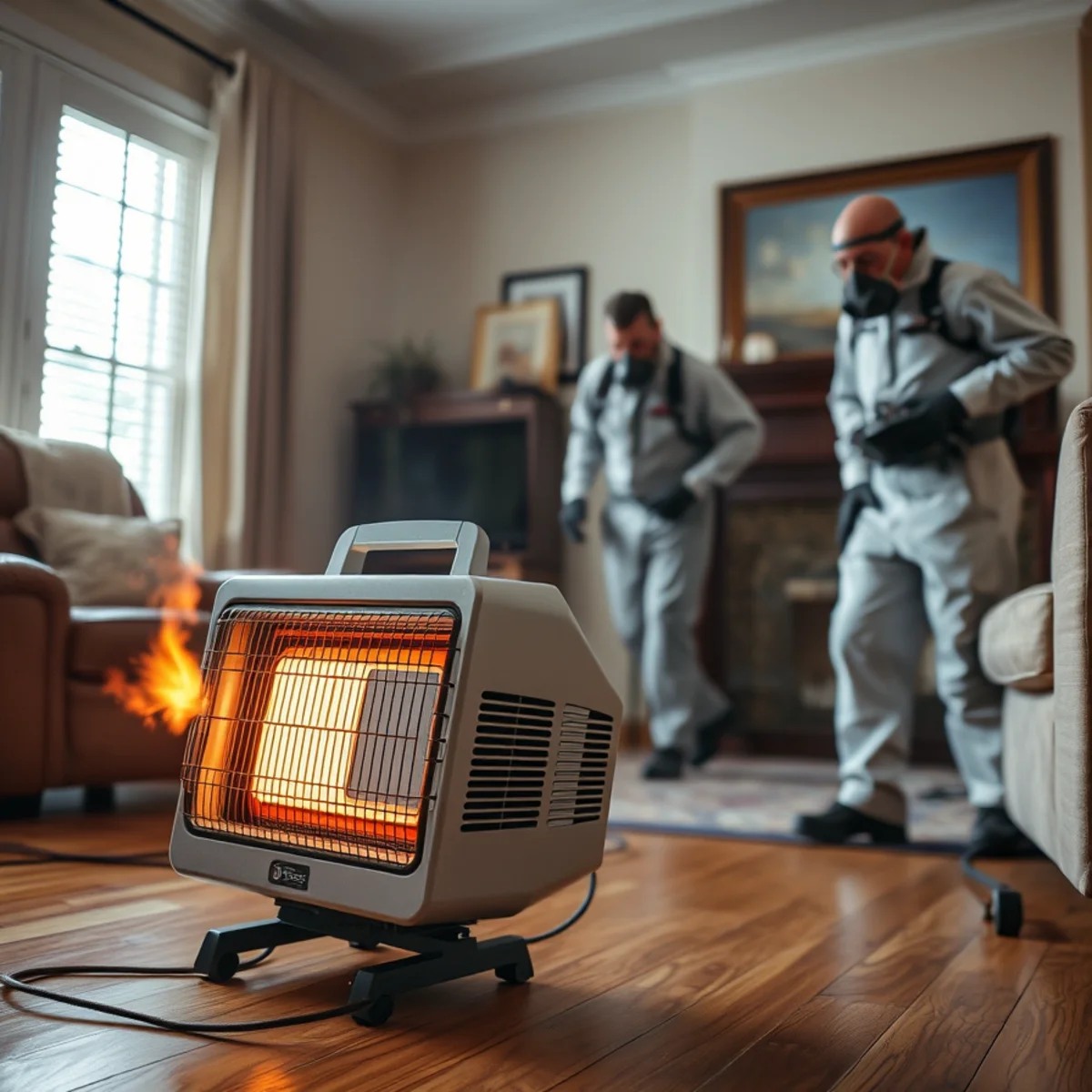
Cold house, no power. The instinct is to add heat any way possible. A space heater pulled from the closet and run all night next to the bed. Candles for light on every surface. A charcoal or propane grill dragged inside. A generator set too close to the house. An oven door left open. Each of these is a known fire or carbon monoxide risk on its own, and they multiply when an entire neighborhood does them on the same freezing night, often after the smoke-alarm batteries have gone a year without a check.
Where the winter fires actually start
When departments trace these fires back, the causes repeat:
- Space heaters set too close to bedding, curtains, or a couch, or plugged into an extension cord that overheats.
- Candles left burning, knocked over, or placed near fabric.
- Fireplaces and wood stoves fired up after months of disuse, with an unswept, creosote-lined flue.
- Generators run in a garage or up against the house.
- Stovetops and ovens pressed into service as room heaters.
- Overloaded outlets as everyone charges phones and runs heaters on the few working circuits.
Older east-side homes and the Candler-McAfee angle
In areas like Candler-McAfee, off Flat Shoals and Glenwood on the DeKalb side, much of the housing is mid-century. Ranches and small post-war homes with older wiring, original panels, and fewer grounded outlets than a modern house has. That matters in an ice storm. Fewer safe outlets means more extension cords and more load piled onto tired circuits, right when heaters are running flat-out. Add a flue that has not been cleaned and a smoke alarm past its prime, and an outage becomes a fire. Older homes across the east side share this profile. It is also worth remembering that a fire during an outage often gets a slower response, because crews are stretched across a metro full of downed lines and iced roads at the same time, which is one more reason to prevent the fire rather than count on a fast knockdown.
The carbon monoxide risk that rides along
Fire is not the only danger during an outage. The same improvised heat that starts fires also produces carbon monoxide, an odorless gas that harms quietly. Charcoal grills, camp stoves, and generators run indoors or in an attached garage are the usual culprits, and every Atlanta cold snap sends people to the hospital for it. Carbon monoxide alarms matter as much as smoke alarms in winter, and they need working batteries just the same. If an alarm sounds or anyone feels dizzy, headachy, or nauseated, get outside into fresh air and call 911. Never burn anything for heat in an enclosed space, and never run a generator anywhere but well outside the home.
How to lower your risk before the next freeze
The work that prevents a winter fire happens before the storm, not during it:
- Service your heating system and have the chimney inspected in the fall, not in the middle of the storm.
- Keep space heaters three feet from anything that can burn, on a hard surface, plugged straight into the wall.
- Never heat with an oven, a grill, or a generator indoors.
- Put the generator well outside, away from doors and windows.
- Test every smoke and carbon monoxide alarm now and keep fresh batteries on hand.
- Have flashlights and battery lanterns ready so candles are never the backup light.
When an ice-storm fire hits your home
A fire during a winter storm comes with a complication. The same iced-over roads that slowed the fire trucks can slow everyone, and space-heater safety and a swept flue are your first line of defense in the same season lightning is your warm-weather worry. We plan for the ice. Our emergency fire damage response is staffed around the clock with live answer and a real ETA, and we mobilize as soon as Atlanta Fire Rescue clears the scene, ice or no ice. We secure the home, stop the smoke and water from spreading, and start documenting for your claim the same night. Call (866) 688-0301.