A space heater is the fastest way to warm a cold room, and during an Atlanta ice storm, when the power flickers or a room just will not hold heat, it is the first thing a lot of us reach for. It is also one of the most common causes of winter house fires in the country. Space heaters are involved in a large share of home heating fires and the majority of heating-fire deaths, and almost all of it is preventable.
The heater itself is rarely defective. The fire comes from where it is placed, what it is plugged into, and whether it is left running. In Atlanta's older homes, the wiring behind the outlet matters just as much. Here is how to use one without setting your house on fire.
Why space heaters start so many fires
A space heater throws a lot of heat from a small, hot surface, and it pulls a heavy electrical load doing it, typically around 1,500 watts, close to the limit of a standard household circuit. Point that heat at something combustible and it ignites. Run that load through the wrong cord or a tired circuit and the wiring overheats. Both failure modes climb during outage season, when heaters run for hours in rooms that were never set up for them, often on the handful of circuits still live.
Placement and the three-foot rule
Most heater fires come down to where the unit sits:
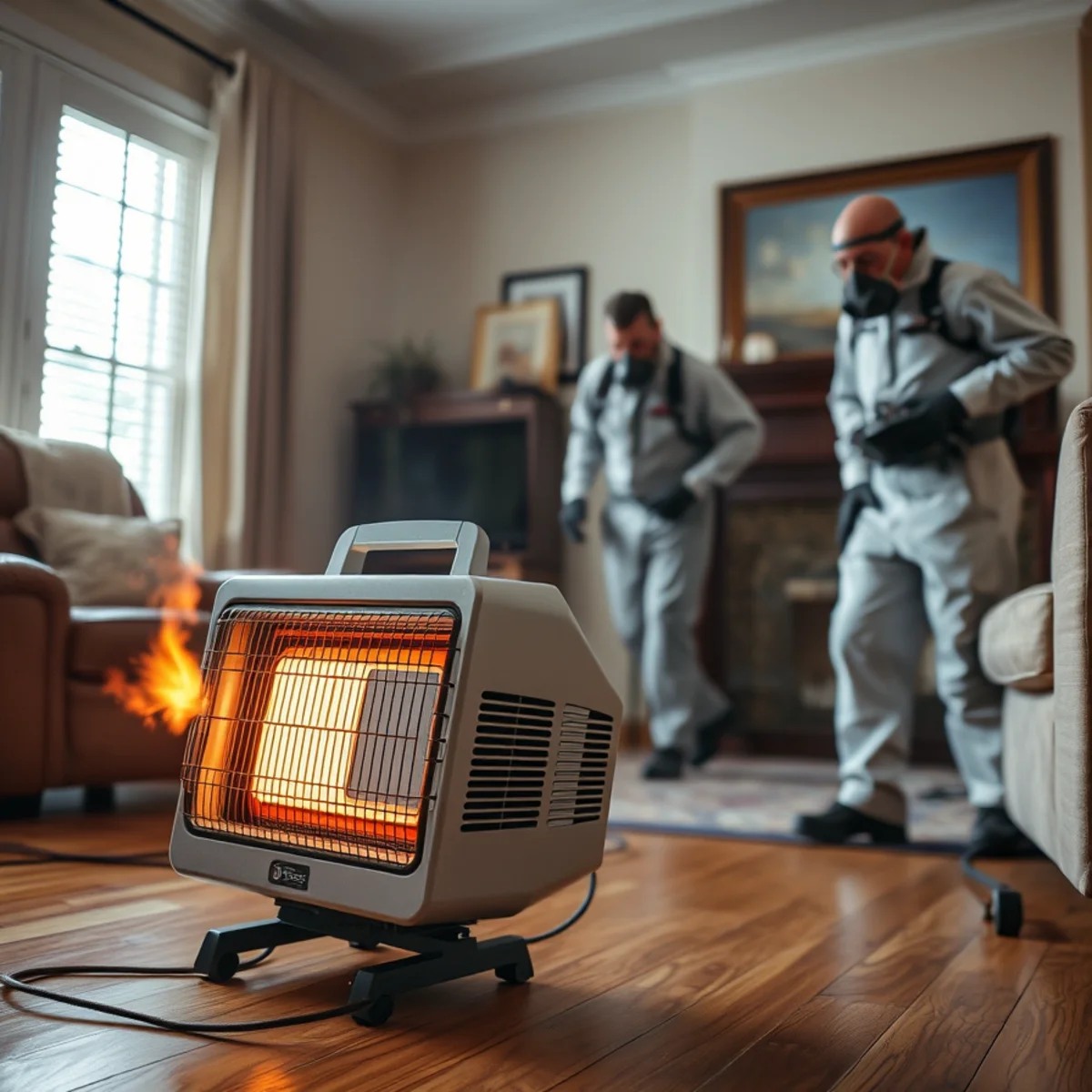
- Keep at least three feet of clear space around the heater on every side. Beds, couches, curtains, laundry, and paper all ignite.
- Set it on a hard, level, nonflammable floor, not on a rug pile, a table, a chair, or a shelf where it can tip.
- Point it away from foot traffic so it cannot be knocked over.
- Never use it to dry clothes, shoes, or gloves, and never drape anything over it.
- Keep children and pets well away from it.
The extension-cord mistake
This is the big one, and it is where space heaters meet old wiring. A space heater must be plugged directly into a wall outlet. An extension cord or a power strip is not built to carry a heater's continuous load. It overheats, the insulation softens, and it can melt or catch fire inside the cord itself. The same goes for a circuit that is already loaded. If plugging in a heater dims the lights, trips the breaker, or warms the outlet or plug, that circuit is overloaded and the wiring is telling you so. Move the heater to another circuit or stop using it there.
Capitol View's older bungalows and tired circuits
In neighborhoods like Capitol View, off Metropolitan Parkway on Atlanta's southwest side, much of the housing is 1920s to 1940s bungalows and cottages. Charming, solid, and often still running on decades-old wiring with two-prong outlets and an undersized panel. Those homes were wired for a fraction of the electrical load we put on them now. Add a 1,500-watt heater to a circuit already feeding lights and a television, on wiring that may be original, and the outlet or the wire in the wall becomes the thing that overheats, not the heater. It is the same aging-panel and old-circuit problem older Atlanta homes face year-round. Winter just pushes it to the edge.
Habits that prevent a heater fire
Build these into how you run any space heater:
- Buy only heaters with automatic shutoff for tip-over and for overheating, and a UL, ETL, or CSA safety label.
- Turn the heater off whenever you leave the room and before you go to sleep. Never run one overnight.
- Plug it straight into the wall, one heater per outlet, never into an extension cord or power strip.
- Give it three feet of clearance and a hard, stable surface.
- Keep a working smoke alarm in or near the room, tested and with fresh batteries.
- If the plug, cord, or outlet feels hot, unplug it and have the circuit checked.
During the outage itself
An outage changes the calculus, because you are running heaters longer, in more rooms, and on fewer live circuits than usual. Pick one room to keep warm rather than heating the whole house, close its door, and gather there. Run a single heater on a circuit that is not also carrying much else, and check the outlet and plug by hand every so often for heat. Do not fall asleep with a heater running, even on the coldest night. Layer blankets and warm clothing so the heater is doing less of the work, and keep a flashlight rather than a candle for light in the same room. When the power returns, unplug the heaters first so the sudden load does not come back onto an already stressed circuit all at once.
If a heater or its circuit starts a fire
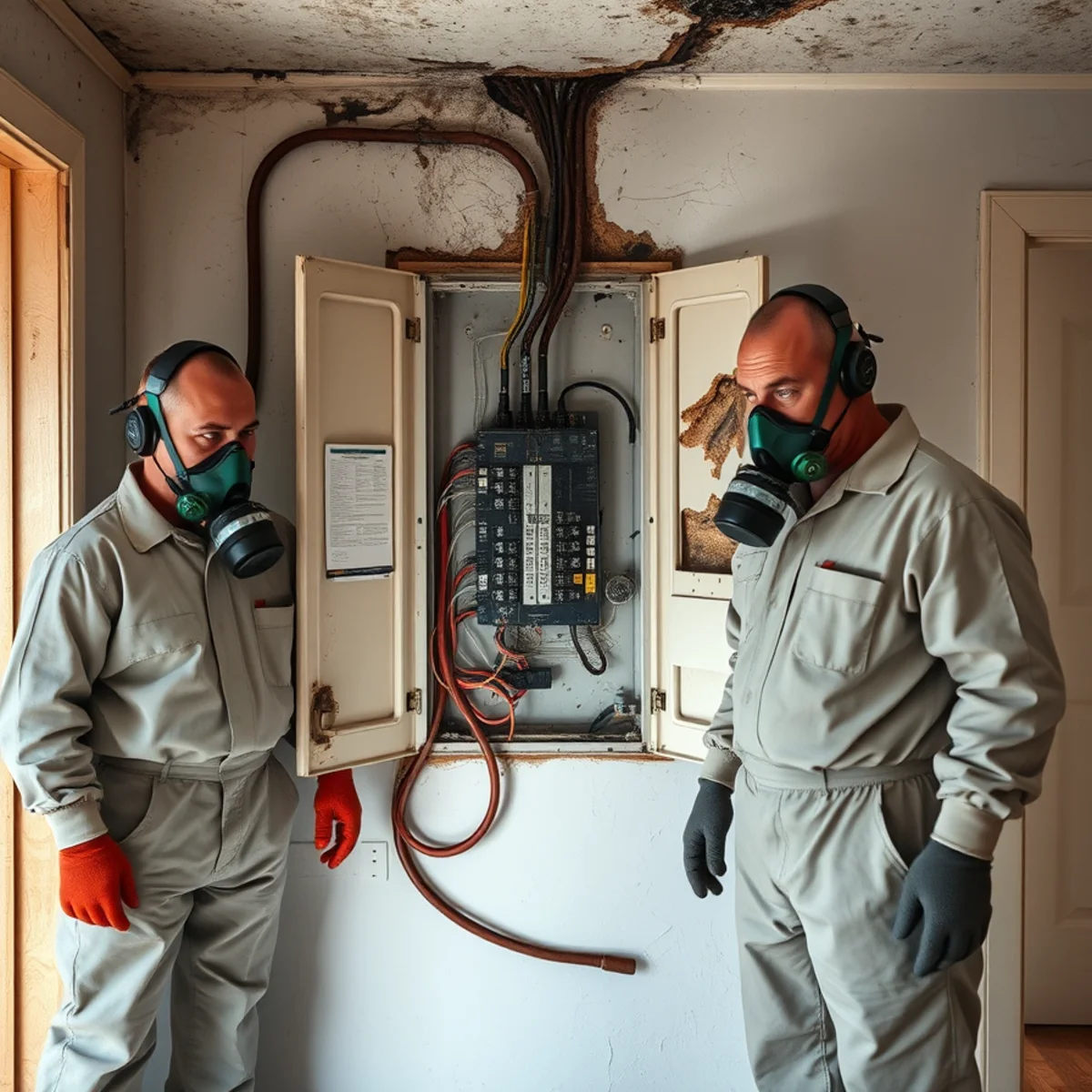
When a space-heater fire starts at the outlet or in the wall, the damage often runs deeper than the scorched wall suggests, following the wiring through the stud cavity and pushing acidic smoke into the rest of the house. This is the electrical side of the same winter fire spike that ice storms bring, and it ties directly to whether an older home's panel needs an upgrade. Our electrical fire damage restoration crews handle exactly this, tracing the burn through the wiring, cleaning the soot before it etches, treating the odor, and rebuilding, all while documenting the loss for your insurer. If a heater has already caused a fire in your home, call (866) 688-0301 any hour.