The electrical panel in a 1960s ranch has quietly powered that house for six decades. That is exactly the problem. Panels wear out, breakers weaken, and household electrical demand has multiplied since the panel was installed. A home that once ran a few lights, a stove, and a television now runs central air, an electric range, a couple of heat pumps, and a wall full of electronics.
This is not about chasing an upgrade you do not need. It is about recognizing the specific signs that an aging panel has become a hazard, understanding when the panel brand itself is the problem, and knowing what a replacement actually involves in an Atlanta home.
Why an aging panel becomes a fire risk
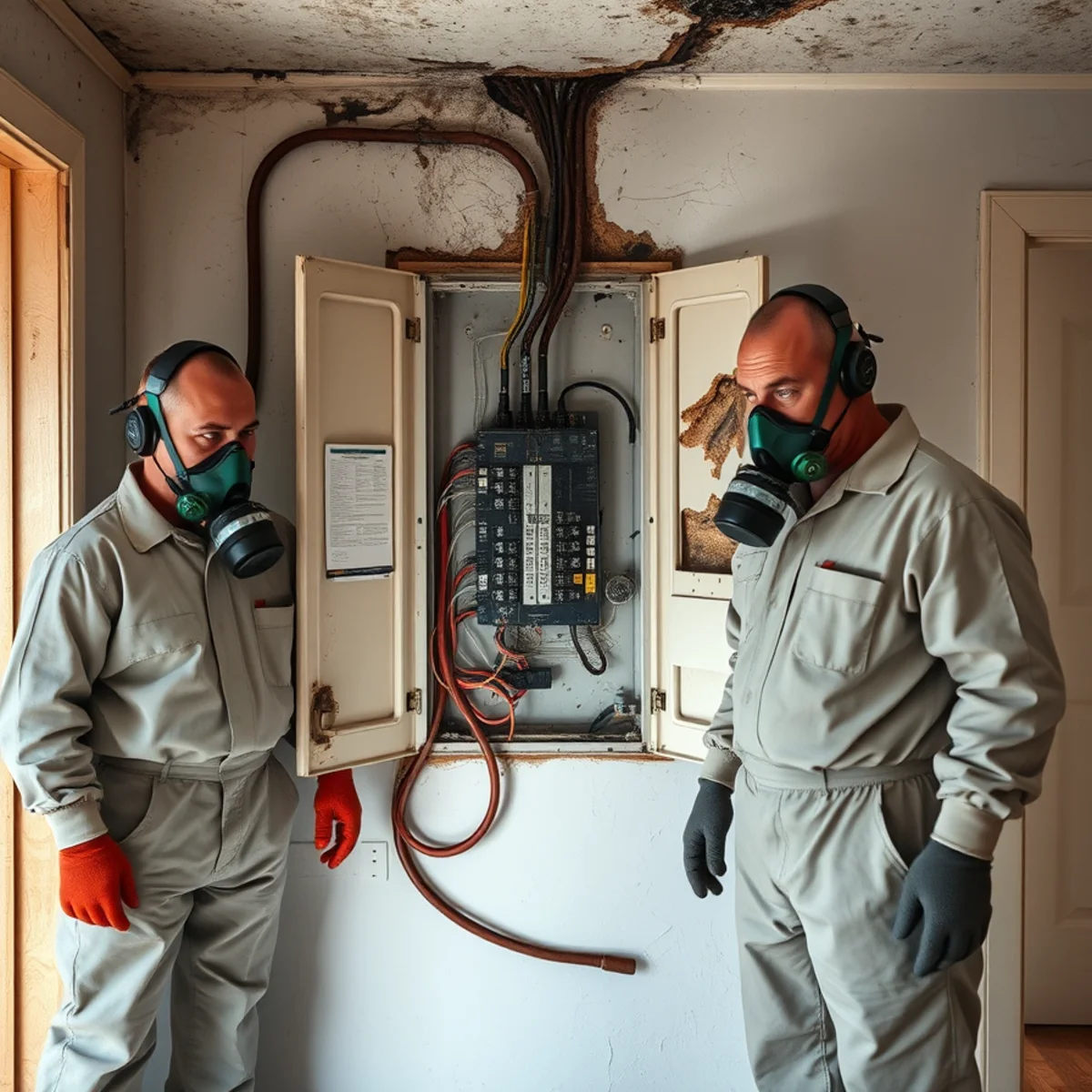
A breaker's job is to trip and cut power when a circuit draws too much current. Over decades, contacts corrode, springs fatigue, and lug connections loosen. A breaker that no longer trips lets a circuit overheat inside the wall, and nothing looks wrong from the outside until it does. Add sixty years of heating and cooling cycles on the connections and you get loose, arcing joints, one of the quieter causes of electrical fires. The panel can look perfectly ordinary and still be failing at the one job that protects the house. There is rarely a warning sound before an in-wall connection overheats, which is why the panel's age and brand tell you more than its appearance does.
Some panel brands should be replaced on sight
A handful of panels installed in mid-century homes are now known to be unreliable enough that many electricians recommend replacing them regardless of condition. If you find one of these in your ranch, an inspection is the right next step, not a wait-and-see.
- Federal Pacific Electric Stab-Lok panels, common from the 1950s into the 1980s, have breakers that can fail to trip under overload.
- Zinsco and GTE-Sylvania panels can have breakers that melt to the bus bar and stop protecting the circuit entirely.
- Pushmatic panels are obsolete, hard to find parts for, and slow to trip as they age.
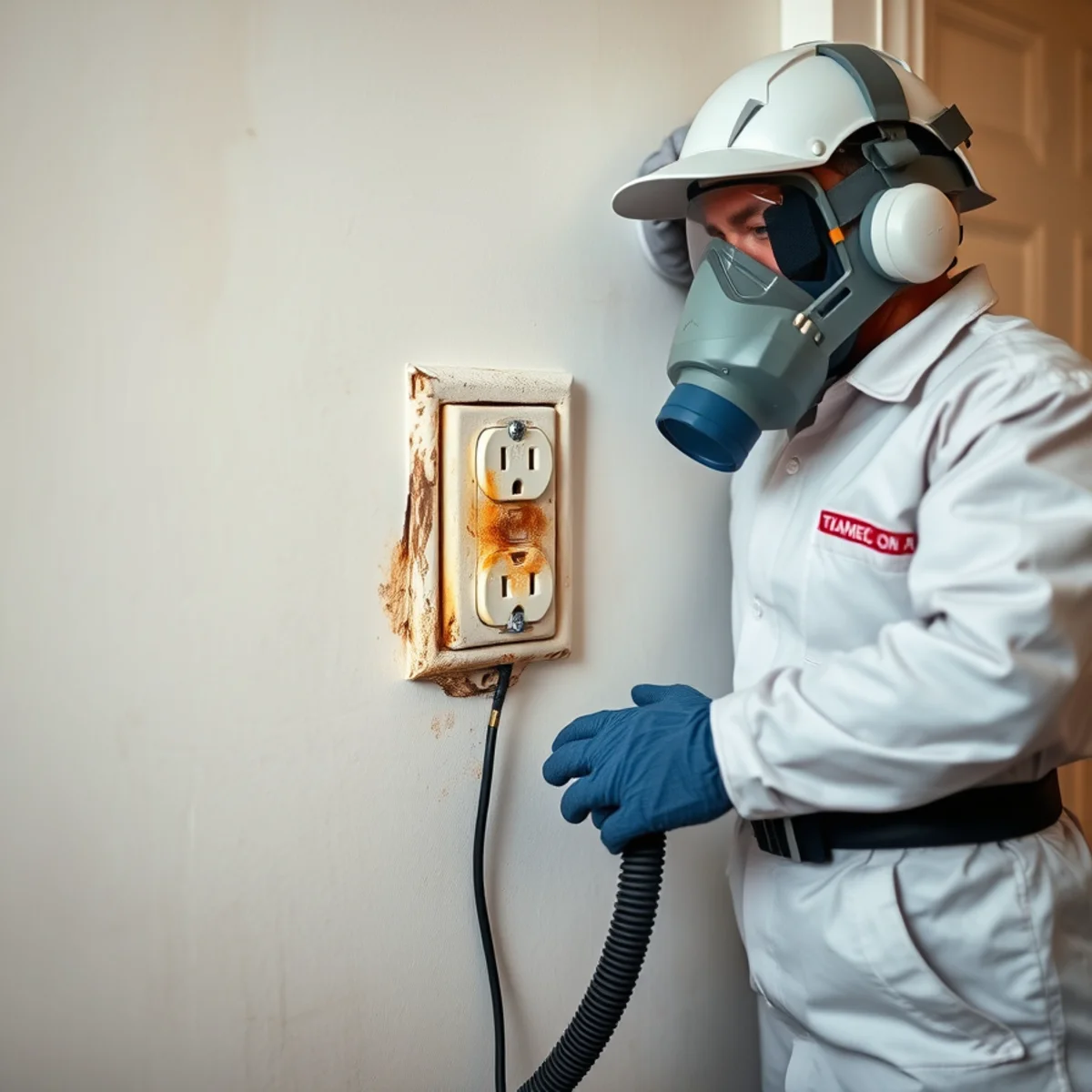
- Any panel showing rust, a burning smell, buzzing, or scorch marks around the breakers.
Warning signs your ranch needs an upgrade
Even a standard-brand panel gives you signals as it reaches the end of its life. One sign might be a fluke. A few together mean call an electrician.
- Breakers that trip often, feel warm, or refuse to reset.
- Lights that flicker or dim when the AC compressor or microwave kicks on.
- A buzzing sound, a burning smell, or scorch marks at the panel.
- Heavy reliance on power strips and extension cords because there are too few outlets.
- A fuse box, or a panel rated only 60 or 100 amps, in a house running central air, an electric range, and modern loads.
- Aluminum branch wiring, common in Atlanta builds from the mid-1960s to the mid-1970s.
The aluminum wiring wrinkle in Atlanta ranches
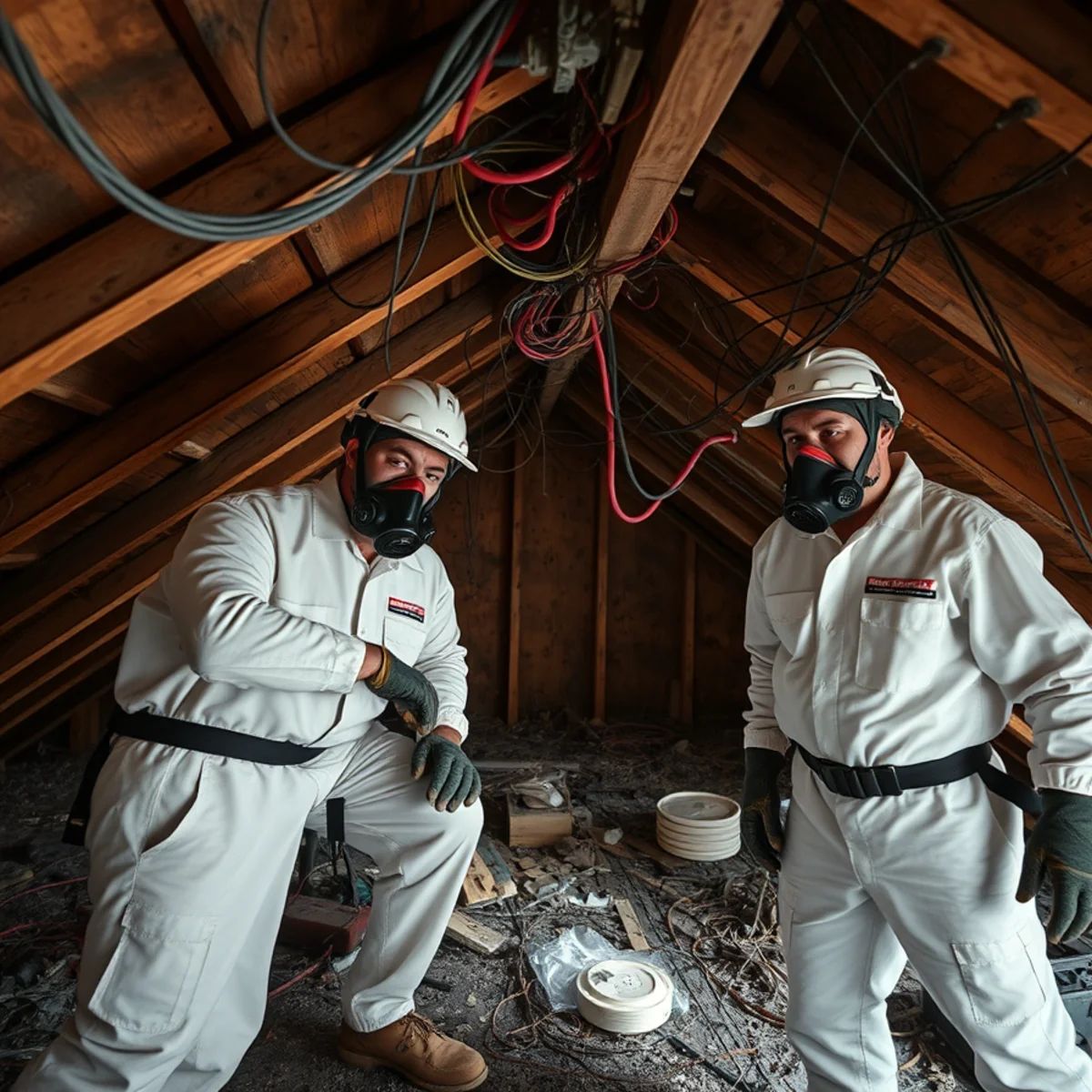
Along corridors like Cascade Road, where post-war ranches from the 1960s and 1970s line the street, aluminum branch wiring showed up in many homes during a copper shortage. Aluminum expands and contracts more than copper, which loosens connections at outlets and switches over time, and loose connections overheat. If your ranch has it, a panel upgrade is often paired with corrective connectors and pigtailing at the devices, so the fix reaches the wiring and not just the box. This is the same aging-wiring story behind the old-wiring warning signs and the knob-and-tube risks in Atlanta's even older bungalows, just one generation newer. An electrician can check whether your outlets show the heat signatures that aluminum connections develop, and correct them before they arc.
What a panel upgrade involves
This is licensed, permitted work, not a weekend project. A qualified electrician handles it from assessment to inspection, usually in a single day. Expect the power to be off for part of that day while the swap is done safely.
- An assessment of your total electrical load and the panel's condition.
- A permit through the City of Atlanta or your county, with an inspection to follow.
- Replacing the panel and breakers, and often upgrading the main service to 150 or 200 amps.
- Adding modern protection: AFCI breakers that catch dangerous arcing, and GFCI protection in wet areas.
- A short, coordinated power shutoff with Georgia Power, then a county inspection to sign off the finished work.
Steps to take before the upgrade is done
A panel replacement can take a few weeks to schedule with a licensed electrician and the utility. Until the new panel is in, a few habits lower the load on the old one and reduce the odds of an overheated circuit in the meantime.
- Spread heavy appliances across different circuits instead of stacking them on one.
- Stop running space heaters, window units, and portable AC on circuits that already trip.
- Replace any oversized fuses with the correct rating for the wire they are meant to protect.
- Never ignore a breaker that trips again and again. It is warning you, not annoying you.
- If you smell burning plastic or feel a warm panel cover, stop and call an electrician that day.
When old wiring has already caused damage
An upgrade is prevention. Sometimes the call comes after the fact, when a panel or a wire behind the wall has already sparked a fire. That is our work. Our electrical fire damage restoration teams clean the soot, address the smoke that travels through wall cavities into rooms the flames never reached, and rebuild what burned, then document all of it for your claim. If an electrical fire hits your Atlanta home, cut the power at the main if you can do it safely and call us at (866) 688-0301, any time of day.