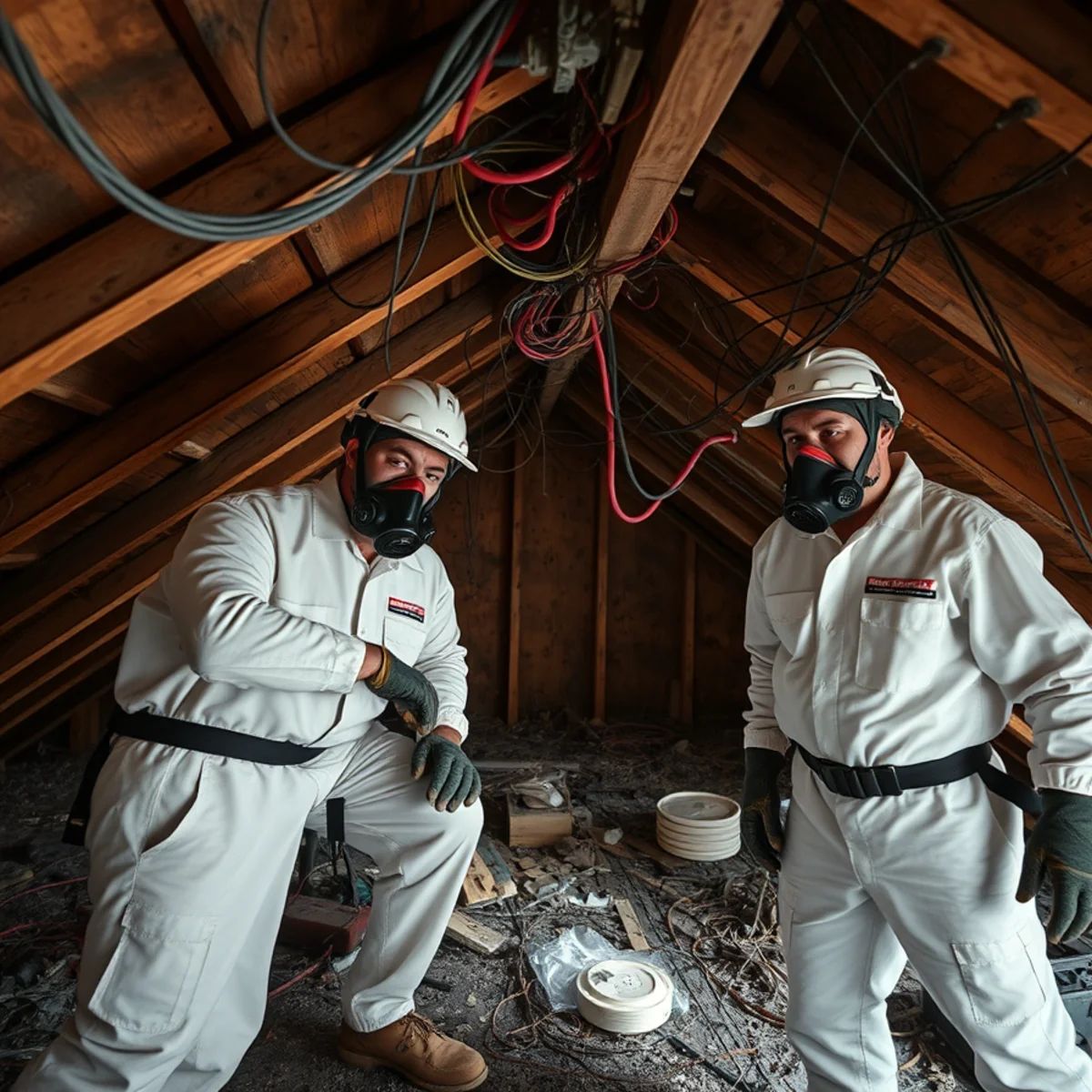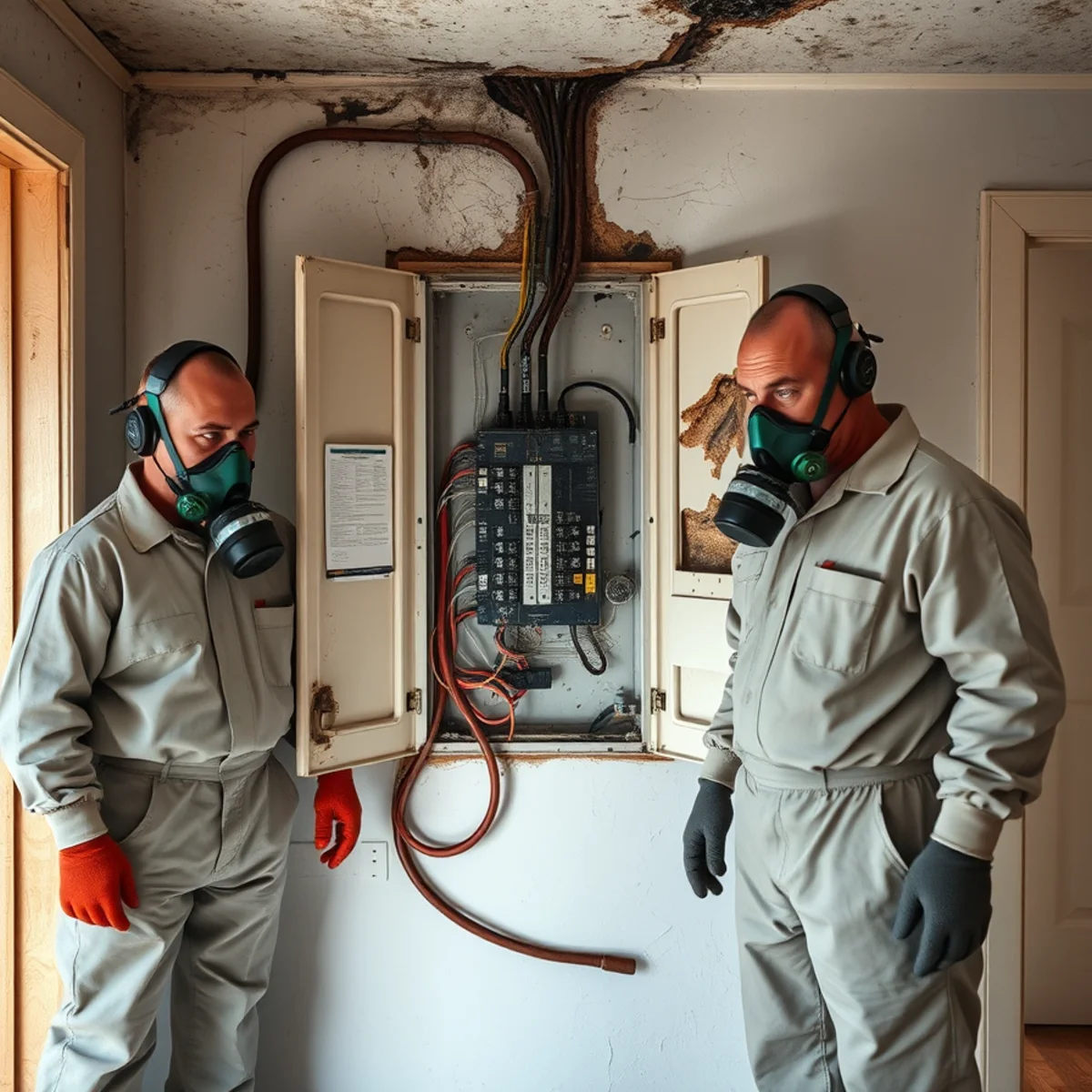
Flickering lights, an outlet that is warm to the touch, a faint smell of hot plastic you can never quite locate. In a historic West End Victorian or a Grant Park bungalow, it is easy to write these off as the quirks of an old house. They are not quirks. They are the wiring telling you it is overloaded, aging, or failing, and they are the early signs of an electrical fire.
Electrical problems cause a large share of house fires, and older homes carry more of the risk because their wiring is decades past its design life and rarely built for the loads we run now. The reassuring part is that failing wiring almost always warns you first. Here is what to watch, hear, and smell for in an intown Atlanta home.
Why old intown wiring fails
Three things stack up in a historic home. The wiring is simply old, so its insulation dries out, cracks, and loosens over eighty or a hundred years. It has been modified, often repeatedly, by owners and handymen splicing modern circuits into original wiring with mismatched and sometimes ungrounded connections. And it is overloaded, because a house wired for a few lamps and a radio now runs air conditioners, computers, kitchen appliances, and heaters. Any one of those is manageable. Together they can turn a small fault into a fire hidden inside the walls.
Warning signs you can see and feel
Start with what is visible at the outlets and the panel:
- Lights that flicker or dim, especially when the heat, the AC, or a large appliance switches on.
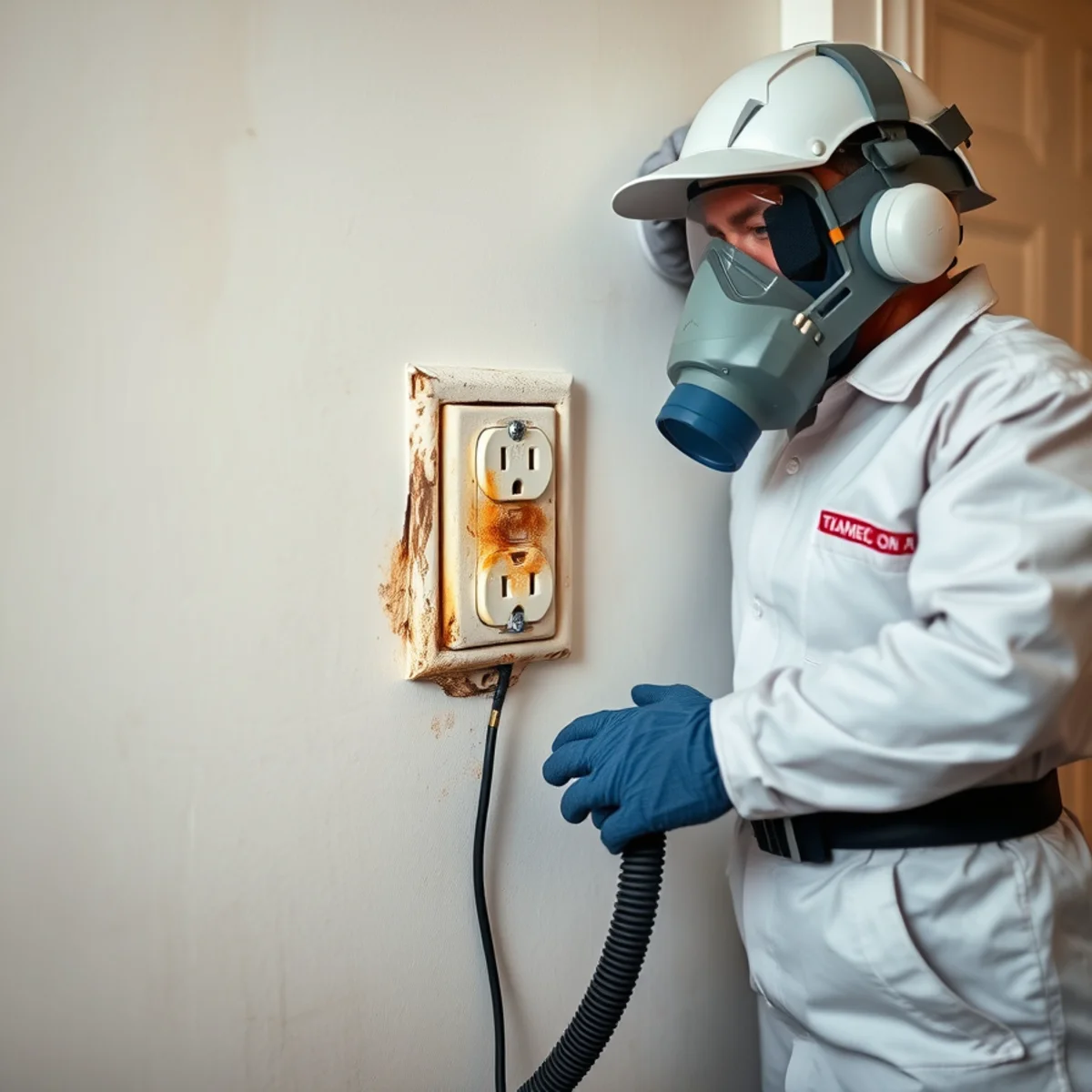
- Outlets or switch plates that are warm, discolored, or browned around the edges.
- Outlets or plugs that feel hot, or a plug that sparks when you insert it.
- Breakers that trip or fuses that blow regularly, which is a warning and not a nuisance.
- Loose outlets that no longer grip a plug, a sign of worn or damaged connections behind them.
- Two-prong ungrounded outlets throughout the house, or a fuse box instead of a breaker panel.
- A reliance on power strips and extension cords because there simply are not enough outlets.
Warning signs you can hear and smell
Some of the clearest warnings never light up a room:
- A buzzing, crackling, or sizzling sound from an outlet, a switch, or the panel.
- A persistent smell of burning plastic, or a sharp fishy odor near an outlet or fixture, which can be hot insulation.
- The smell of smoke with no visible source, which you should treat as an emergency and call 911.
West End, Grant Park, and Inman Park
Any of these signs means you stop using that outlet or circuit and get an electrician out. A burning smell or scorching is not a wait-and-see situation.
These are some of Atlanta's oldest neighborhoods, and their housing shows it. West End, developed largely in the late 1800s, is full of Victorian and Queen Anne homes along and around Ralph David Abernathy Boulevard near the Wren's Nest. Grant Park's Victorians and Craftsman bungalows date to the same era around the park and Cherokee Avenue, and Inman Park's grand homes go back to the 1890s. Beautiful, and often still carrying layers of old wiring, from original knob-and-tube in places to cloth-insulated wire, mid-century additions, and modern circuits, all spliced together over the decades. The charm is real. So is the age of the wiring. If you own one of these homes, the warning signs above deserve more weight, not less.
What to do when you spot the signs
Do not troubleshoot a hot outlet or a burning smell yourself. Stop using the circuit, switch it off at the panel if you can do so safely, and call a licensed Georgia electrician for an inspection. A good electrician can tell you whether you are looking at a single failing outlet or a whole-house wiring problem, and whether the panel is up to the load. This is where the knob-and-tube question and the decision to upgrade an older panel usually come together. Many intown owners rewire in phases and replace the panel as part of it, and it is far cheaper than the alternative.
Landlords and older rentals
Much of the historic housing in West End and Grant Park is rented, and old wiring is a landlord's problem before it is a tenant's. Frequent breaker trips, two-prong outlets, and a tangle of tenant extension cords are all signs a unit has outrun its wiring. For an owner, an electrical inspection between tenants is cheaper than a fire, a liability claim, or a displaced renter, and it is the kind of documented upkeep that protects you if a loss ever does happen. If you manage an older intown rental, put the wiring on the same maintenance schedule as the roof and the HVAC rather than waiting for a tenant to report a spark.
When old wiring has already burned
Electrical fires that start in the walls of an old home are deceptive. The flame you see is small. The damage running through the stud cavity, the charred framing, and the soot pushed into every room through open old framing are not. Our electrical fire damage restoration crews handle these from the first emergency call through soot removal, odor treatment, and rebuilding, and we document the full scope for your insurer so nothing hidden gets missed. If old wiring has caused a fire in your West End, Grant Park, or Inman Park home, call (866) 688-0301, any hour.