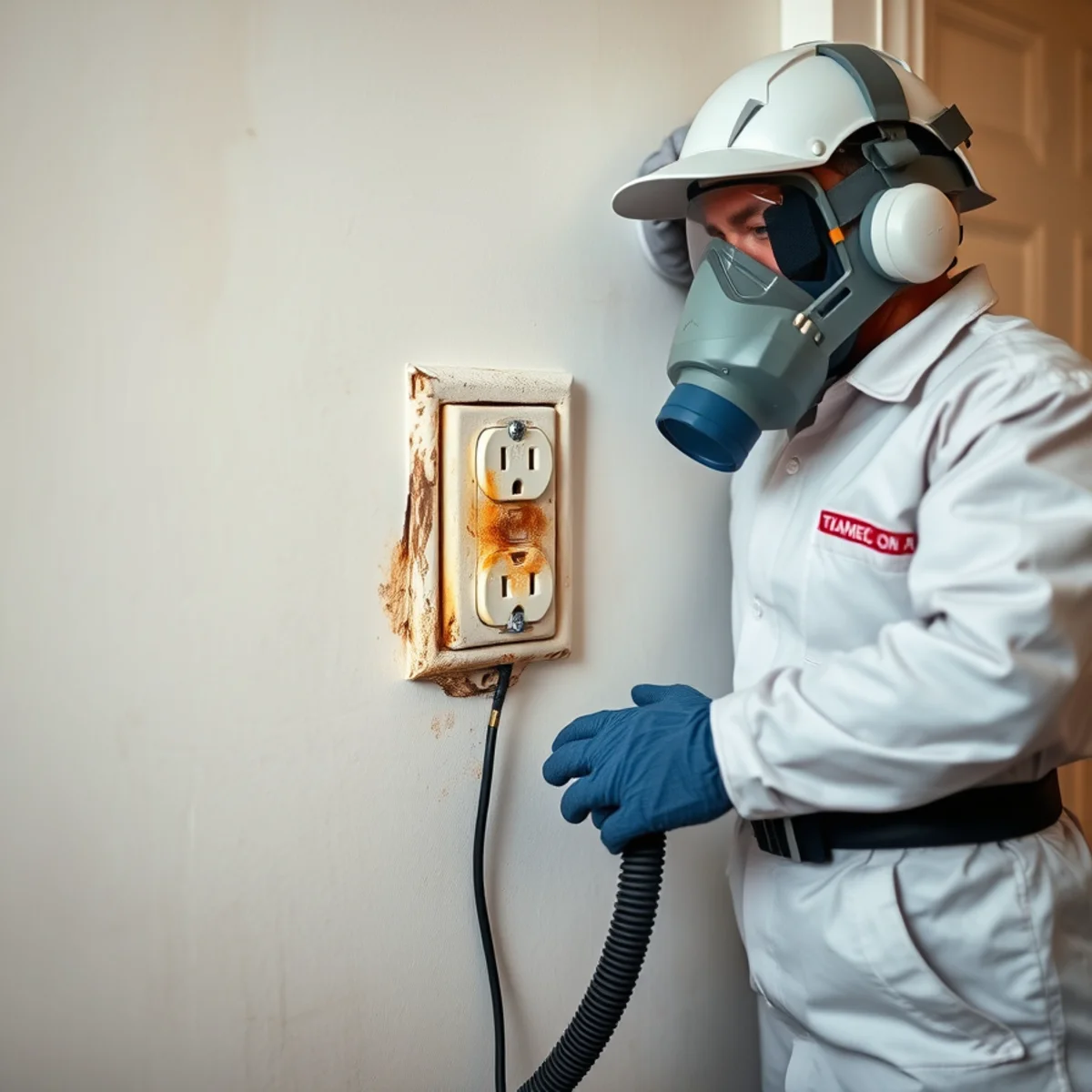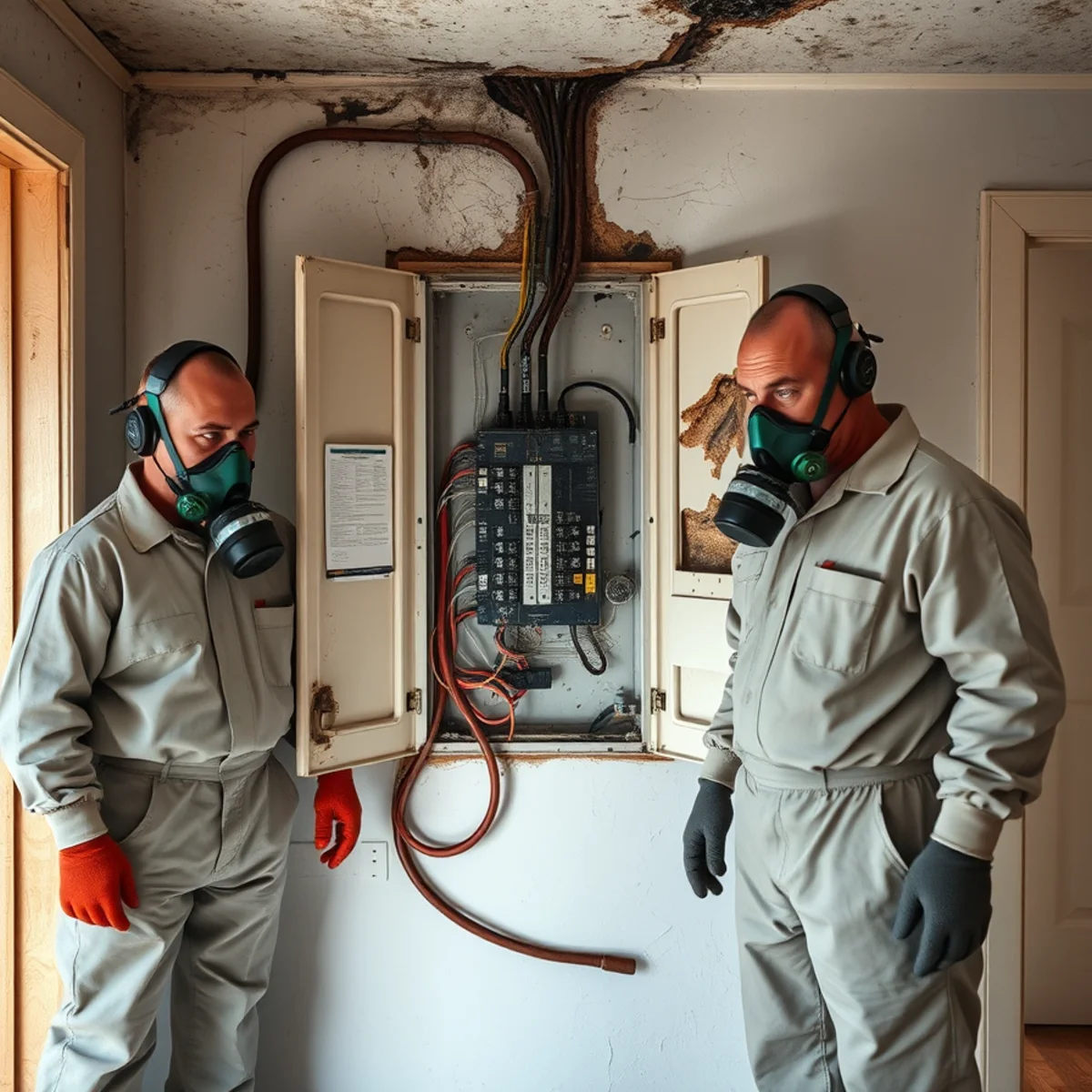
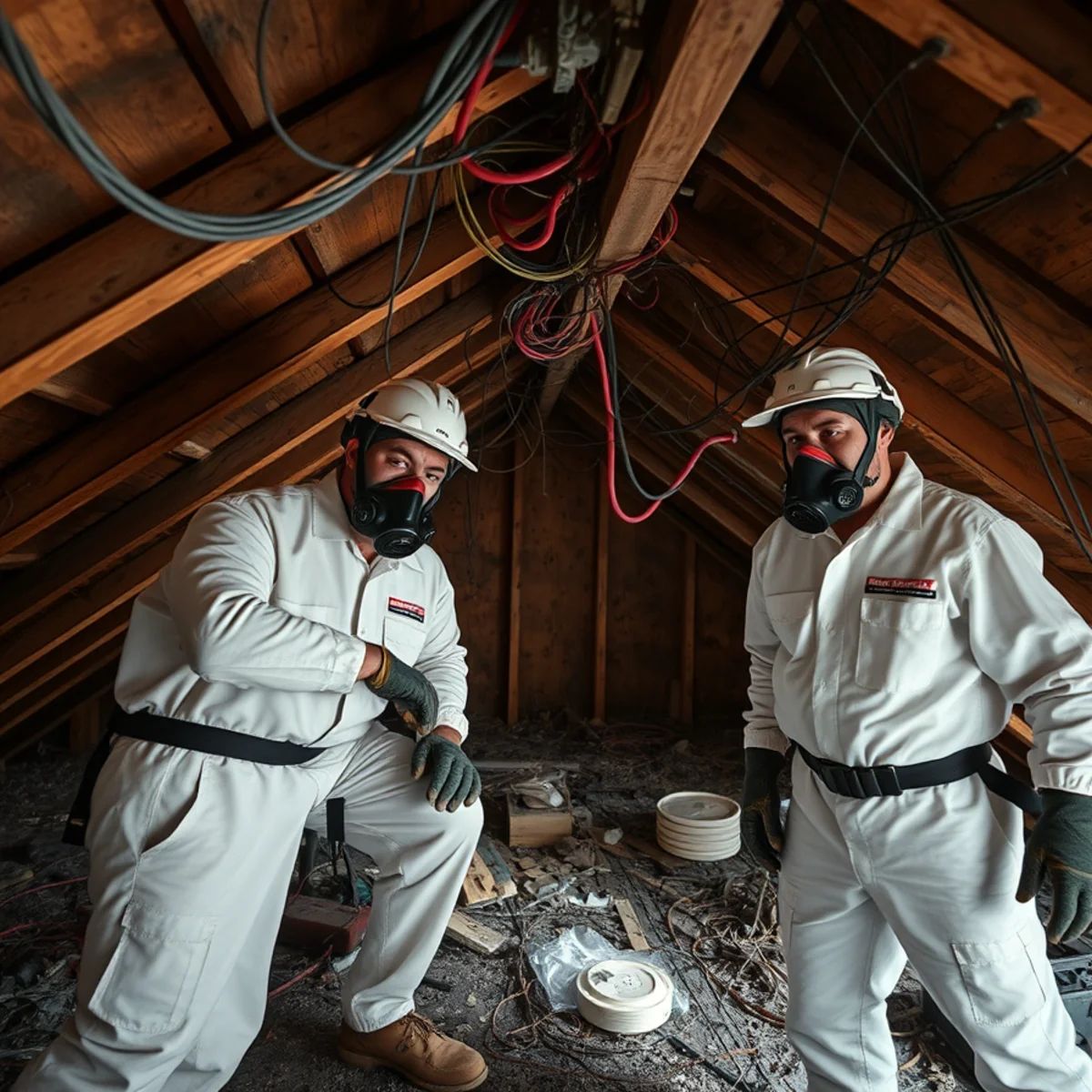
Virginia-Highland's bungalows are some of the prettiest houses in Atlanta. Wide front porches, heart-pine floors, and original 1920s character that no new build can copy. What buyers rarely see on a walkthrough is what runs behind those plaster walls and above the attic joists. In a lot of these pre-1940 homes, it is still knob-and-tube wiring, the electrical system the house was born with, quietly carrying modern loads it was never designed to handle.
Knob-and-tube is not automatically a fire waiting to happen. Plenty of it has run safely for decades. But it ages, it gets modified by well-meaning hands, and it reacts badly to the things we do to old houses now. If you own or are buying an intown bungalow, here is what the wiring is, why it raises fire risk, and how to tell what you have.
What knob-and-tube wiring actually is
Knob-and-tube was the standard way to wire American homes from the 1880s into the 1940s. Two separate conductors, one hot and one neutral, run apart from each other rather than bundled in a cable. Porcelain knobs hold the wires off the framing, and porcelain tubes protect them where they pass through joists and studs. There is no third wire for grounding, and the insulation is a rubberized cloth rather than modern plastic. The open air around each conductor was part of the design, the way the system shed the heat it generated.
Why it was fine in 1925 and risky now
Two things changed. First, the electrical load. A 1925 bungalow was wired for a few ceiling lights and maybe a radio. The same circuits now feed window air conditioners, space heaters, entertainment centers, and kitchen appliances. Old wire carrying more current than it was sized for runs hot. Second, age. After eighty or ninety years, especially in a hot Atlanta attic, the rubber-and-cloth insulation dries out, gets brittle, and crumbles away, leaving bare conductors. Layer decades of amateur splices on top of that, and you have the conditions for an electrical fire inside the walls.
The specific risks in an intown bungalow
In an Atlanta home, a few risks show up again and again:
- Blown-in insulation over the wiring. Knob-and-tube sheds heat into open air. When an attic gets a modern insulation retrofit, a common energy upgrade in Virginia-Highland, the wire gets buried and the heat has nowhere to go.
- No ground path. Ungrounded circuits give a fault no safe route and cannot properly serve today's three-prong electronics.
- Brittle insulation baking in the attic heat. Summer attic temperatures speed up the breakdown of the old cloth covering.
- Daisy-chained modifications. Decades of handymen tapping into the original wiring with modern cable and questionable splices.
- Overloaded original circuits feeding a window AC or a space heater the wiring was never sized to carry.
- Rodents in old attics and crawlspaces chewing away what insulation remains.
How to tell if your bungalow still has it
You can spot a lot of it yourself with a flashlight:
- Single wires suspended on white porcelain knobs in the attic or basement, or ceramic tubes running through the joists.
- Two-prong ungrounded outlets throughout the house.
- A fuse box rather than a breaker panel, or a very small original panel.
- An inspection report or seller disclosure that notes active knob-and-tube.
What to do if you find it
Do not panic, and do not open up walls over a weekend. Much of the wiring hides inside finished walls, so a clean-looking attic does not guarantee the whole house is rewired. Start with a licensed Georgia electrician who can tell you what is still active versus abandoned in place. Many Virginia-Highland owners rewire in phases, tackling the highest-load circuits first, the kitchen, laundry, HVAC, and any bedroom running a heater. Until a circuit is replaced, keep insulation off any active knob-and-tube and never bury it.
This is the same aging-wiring story behind the warning signs older homes give off and the panel-upgrade question so many intown houses eventually face. Treat knob-and-tube as one piece of a bigger electrical picture, not a standalone problem.
What a phased rewire looks like
A whole-house rewire in an occupied bungalow does not have to happen all at once. A licensed electrician maps the circuits, separates what is still energized from what was abandoned in place during past renovations, and prioritizes the runs that carry the most load. Kitchens, bathrooms, laundry, and any circuit feeding a window unit or space heater usually go first, along with adding grounded outlets and, where needed, a larger panel. Crews fish new cable through the same wall cavities and attic runs the original wiring used, which keeps the plaster and trim you bought the house for mostly intact. Done in stages, the work spreads out the cost and the disruption, and each completed phase retires another stretch of eighty-year-old wire. Ask for the assessment in writing, both for your own planning and for the insurance conversation that often follows.
When old wiring has already started a fire
Electrical fires that begin inside a wall do a particular kind of damage. They burrow through stud cavities, char framing you cannot see, and push acidic smoke into every room through the same open old framing that makes these houses charming. If knob-and-tube has already sparked a fire in your home, our electrical fire damage restoration crews handle it from the emergency response through soot removal, odor treatment, and reconstruction, and we document the full scope for your insurer. Call (866) 688-0301 any hour, day or night.