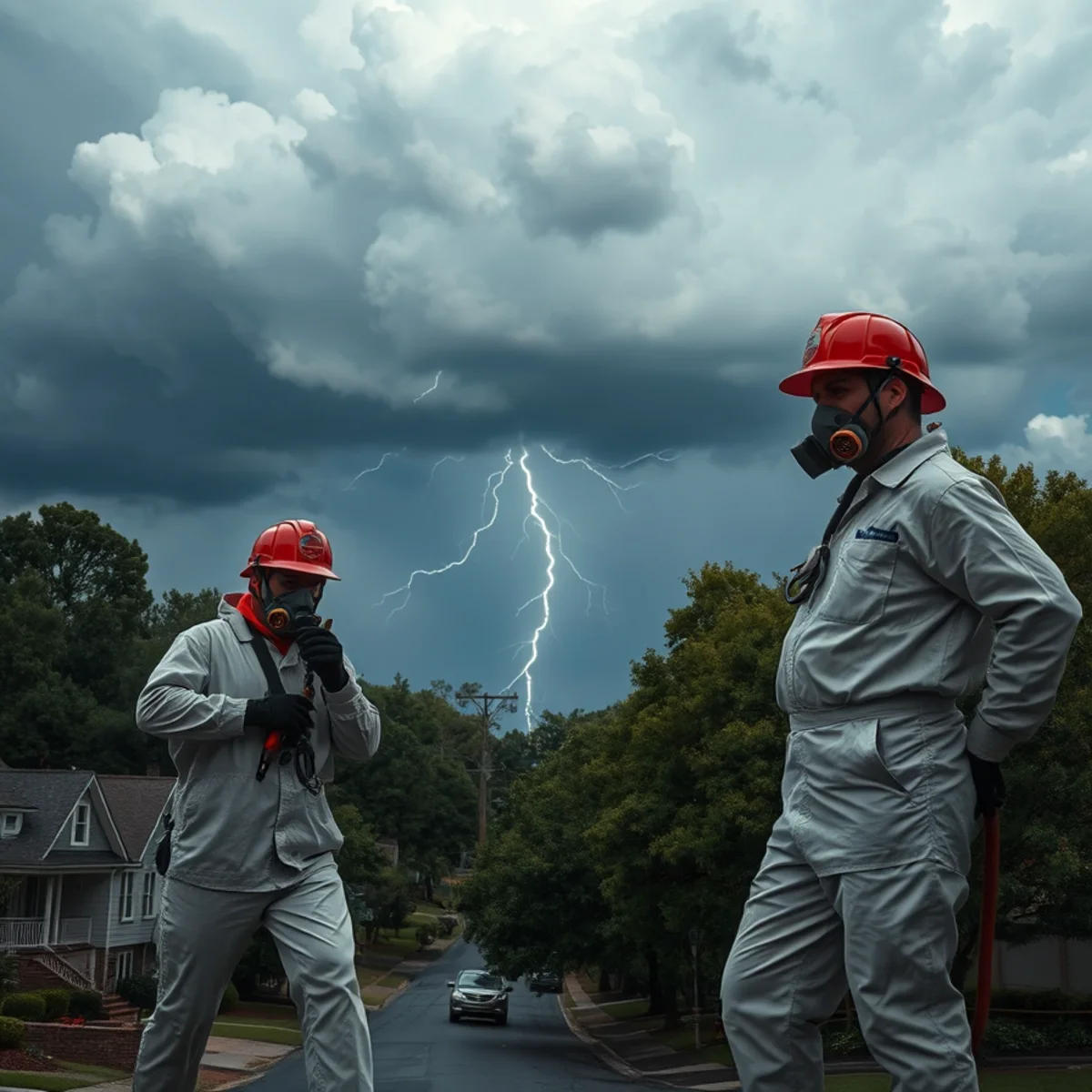
On the night of March 14, 2008, a tornado did something Atlanta had never recorded before. It tore straight through downtown. It was a Friday, around 9:40 pm, and the SEC men's basketball tournament was underway inside the Georgia Dome when the roof began to sway and catwalks swung over the court. Outside, an EF2 with winds well over 100 miles an hour was raking the heart of the city.
It struck blocks from where our office sits on Peachtree Street. Nearly two decades later, that storm is still the clearest lesson Atlanta property owners have about what the first hours after a building is torn open really decide.
What happened that Friday night
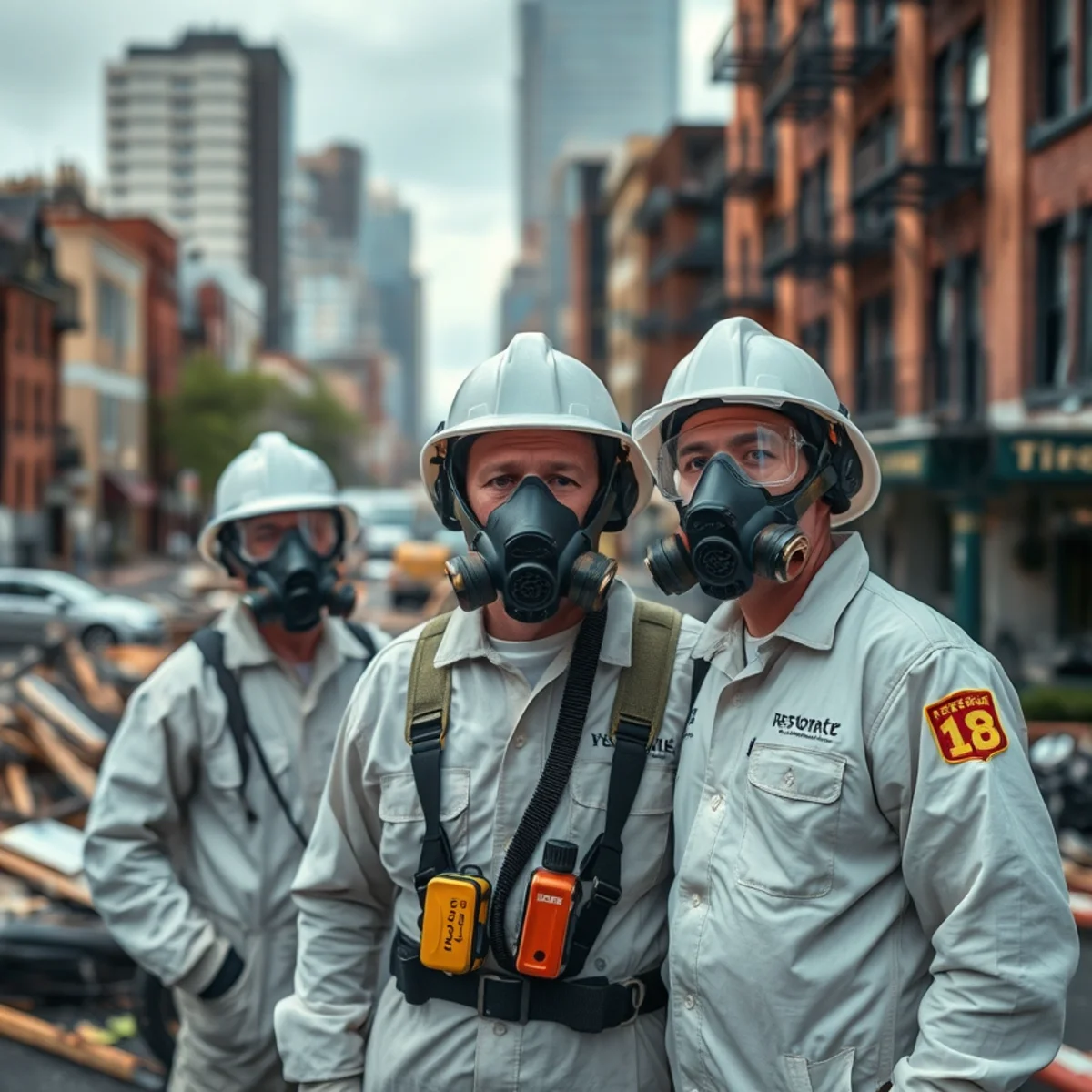
The tornado carved a path several miles long through the urban core. It blew out windows across downtown high-rises, damaged the Georgia Dome, CNN Center, the Omni, and Centennial Olympic Park, and scattered glass along the convention corridor. From there it moved east and hit Cabbagetown hard, peeling roofs off the historic Fulton Cotton Mill lofts and the century-old mill houses around them. One person was killed and dozens were injured. For a city that had assumed downtown's big buildings somehow sat above tornado risk, it was a hard correction.
The first hours decide the outcome
Here is the part that matters for owners. The tornado did its damage in minutes. What determined how much more damage each building took, and how long recovery ran, was what happened in the hours and days afterward, specifically how fast each opening in the building envelope got covered. A roof peeled back or a wall of windows blown out is not the end of the loss. It is an open invitation to the next rain, to wind, to water, and to anyone who wanders in. Atlanta got rain in the days after 2008, and the buildings that stayed open got wet inside.
The board-up and tarping lesson
The owners who fared best treated securing the building as the emergency it was:
- Every hour a building stays open, secondary damage grows through water, mold, wind, theft, and vandalism.
- Insurers expect you to mitigate. Failing to secure the property promptly can reduce what a carrier pays.
- Covering openings fast preserves what is still intact inside, which is usually far more than what was destroyed.
- Boarded, tarped, and fenced buildings are shielded from the looting and liability that follow any disaster.
- The same crews that respond to fires respond to storm openings, because the problem is identical, a structure that no longer keeps the weather out.
Vine City and the west side
Vine City sits at the western edge of downtown, right where the 2008 storm entered the urban core near the old Georgia Dome site. It is a historic neighborhood with a mix of older homes, churches, and, in the years since, new development around Mercedes-Benz Stadium. Its housing runs older and some of it more fragile, exactly the kind of stock that takes the worst of a wind event and needs securing fast afterward. For owners in Vine City and across the west side, 2008 is a local reminder that being close to downtown does not mean being safe from a tornado. Owners here have also seen how quickly a vacant or storm-opened building attracts trouble, which makes fencing and board-up as much about security as about weather.
The mitigation duty in your policy
Most property policies carry a clause that obligates the owner to take reasonable steps to prevent further damage after a covered loss. It is easy to overlook in the shock of a storm, but it has teeth. If a roof is opened by wind and then rains into the building for a week because no one tarped it, a carrier can decline to pay for the water damage a prompt tarp would have prevented. That is why the fastest useful thing an owner can do once the scene is cleared is document the damage and get the building covered, in that order. The board-up is not only protection for the property, it is part of protecting the claim itself.
A modern owner's storm-response checklist
If a storm opens your building tomorrow, the sequence that protects you looks like this:
- Get everyone to safety and let Atlanta Fire Rescue and utility crews clear the scene first.
- Document the damage with photos and video before anything is moved or covered.
- Call a restoration company that can board up and tarp the same day, not next week.
- Notify your insurer and open the claim while the securing happens.
- Keep receipts for any emergency measures you pay for, since those are typically reimbursable.
- Do not enter a structurally questionable building to retrieve belongings.
When a storm or fire opens your building
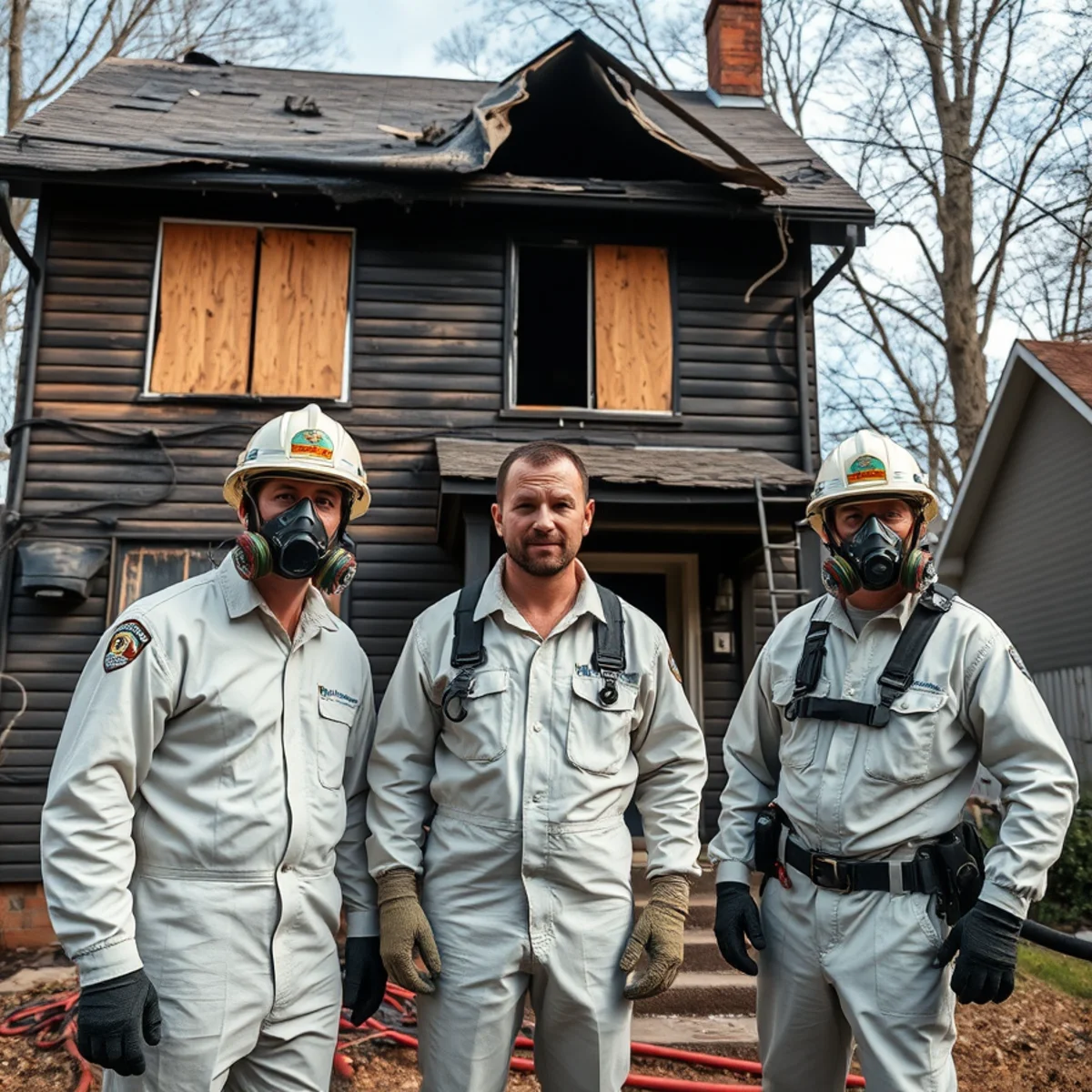
Whether it is a tornado, a fire, or a fallen tree, an open building is a clock running against you, and knowing what happens after a board-up, along with the storm-season fire risks that come with Georgia weather, keeps you a step ahead. Our emergency board-up and tarping crews secure downtown and intown properties the same day, with plywood over windows and doors, tarping over open roofs, and temporary fencing where it is needed, so weather and trespassers do not turn one loss into two. We document everything for your claim as we go. Call (866) 688-0301 any hour, and we will give you a real ETA.