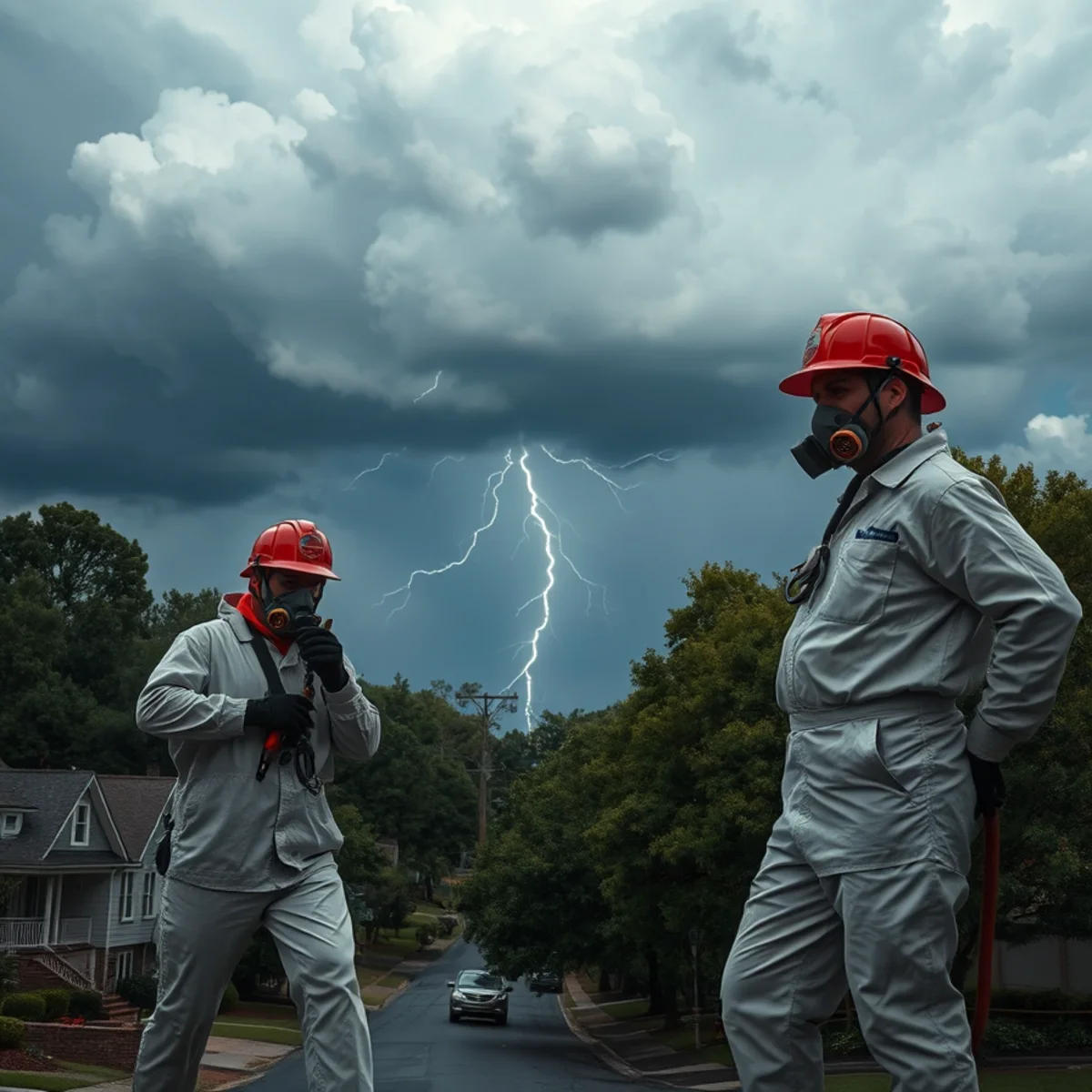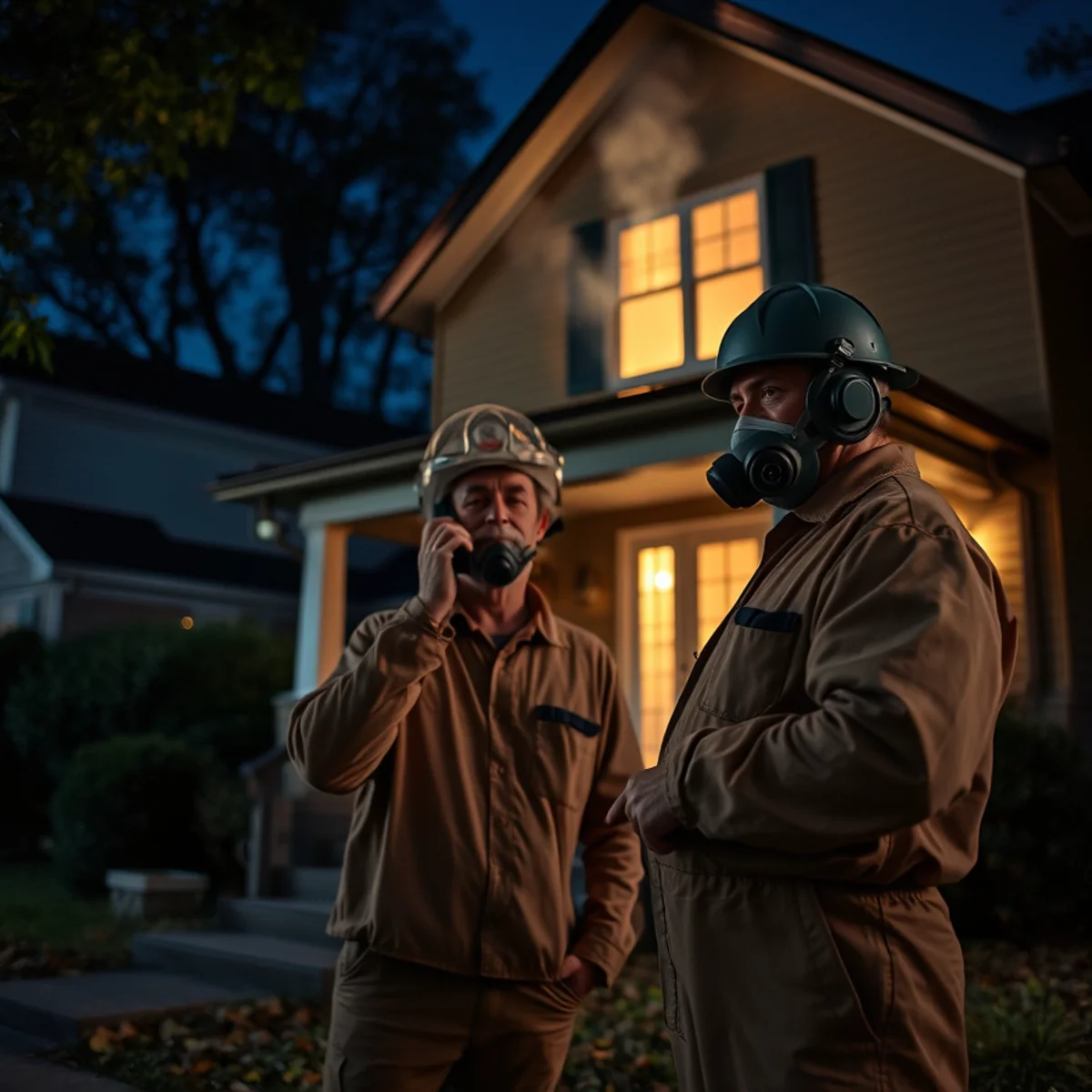
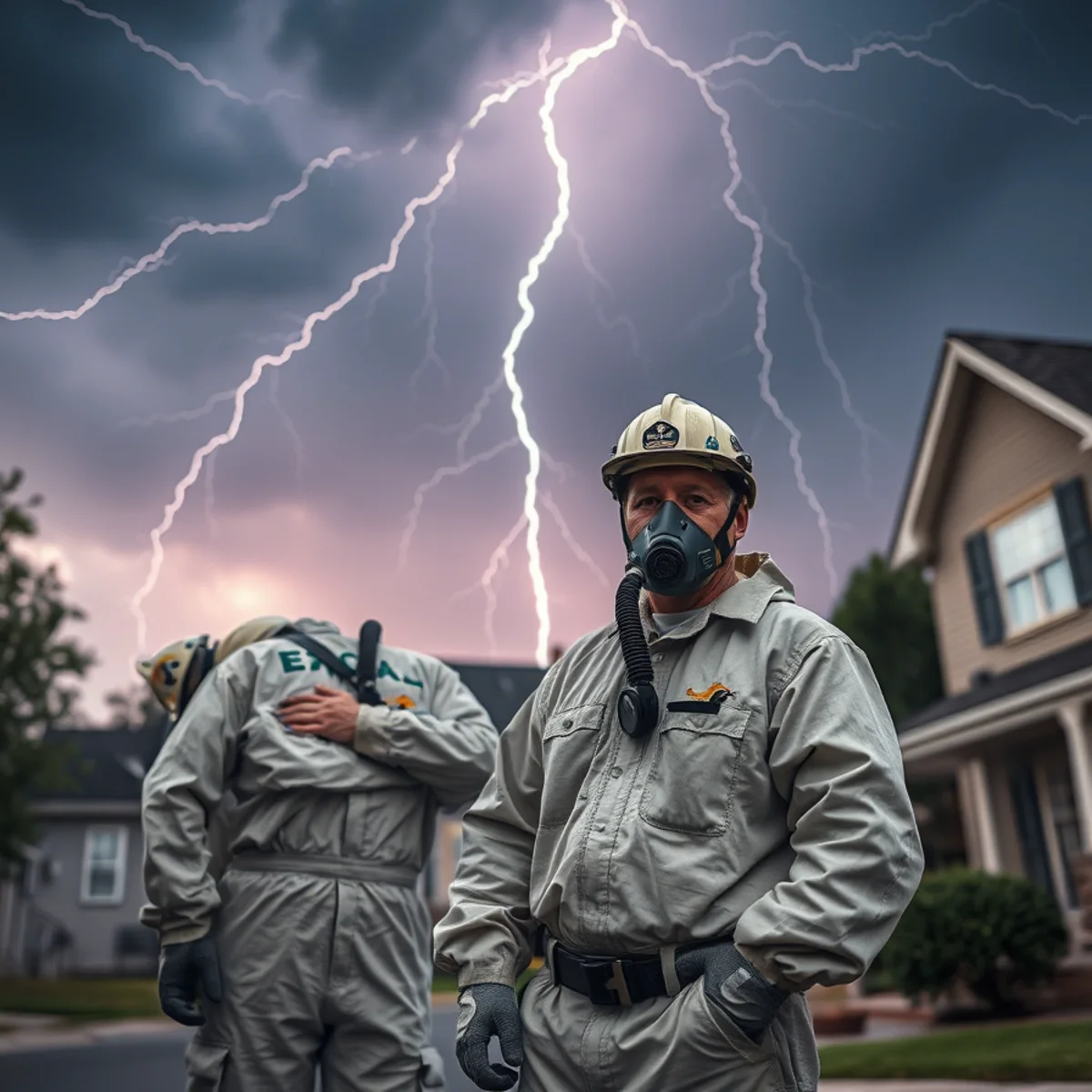
Georgia sits in one of the most lightning-prone parts of the country, and metro Atlanta's summer storms deliver it in bursts. When lightning hits a house it can start a fire in an instant, sometimes in the attic where you cannot see it, and it can leave electrical damage that smolders for hours. If a strike hit your home, here is what to do, including the damage that hides after the obvious danger passes.
After a lightning strike in Atlanta
Lightning fires often start in the attic and hide. Act fast:
- Evacuate and call 911, even if you only smell smoke — attic fires can smolder unseen.
- Shut off power at the panel if you can reach it safely.
- Photograph any scorching, smoke, or water damage once it's safe to document.
- Have the wiring, HVAC, and roof inspected — a strike can damage systems far from the entry point.
- Watch for lingering smoke odor, which signals residue that needs professional cleanup.
What a Lightning Strike Actually Does to a House
A lightning bolt carries an enormous electrical charge and extreme heat. When it hits a home it looks for a path to ground, often through wiring, plumbing, or the frame, and along the way it can superheat materials and ignite them. Strikes frequently start fires in the attic or inside wall cavities, out of sight, and the surge can fry your electrical system, appliances, and anything plugged in. Sometimes it is a single explosive crack and then nothing obvious, which is exactly what makes it dangerous.
Get Everyone Out, Even If You See No Flames
If you believe lightning struck your house, get everyone outside and call 911, even if there is no visible fire. A strike can ignite a slow fire in the attic that does not show itself for several minutes. Firefighters carry thermal imaging that finds heat inside walls and ceilings you cannot check yourself. Do not go poking around the attic looking for flames. Let the Atlanta Fire Rescue Department, or your local fire crew, confirm whether a fire started and where.
Why the Fire Hides Where You Can't See It
This is the trap with lightning fires. The strike enters high and travels through concealed spaces, so the fire often starts in the attic, the roof structure, or inside a wall, above and behind where you live. You might smell something hot or hear a crackle before you ever see smoke. By the time flames reach a visible room, the fire has had a head start in the framing. That is why a strike is treated as a possible structure fire even when the house looks fine from the couch.
Check for the Strike's Entry and Exit Points
A strike usually leaves marks where it entered and exited, and finding them tells the crew where to look. From the ground, check for splintered wood, scorching, or blown-apart material at the roof peak, the chimney, and the gutters, and look for cracked masonry or a shallow trench in the yard where the current dispersed into the soil. You do not need to climb up or dig. Just note what you can see safely and point it out to the fire crew and your adjuster. Those marks map the hidden path the heat took through your home, and they often sit directly below where a concealed fire would start.
After the Fire Department Clears the Scene
Once the fire is confirmed out and the home is released, the familiar fire-damage problems follow. Soot from even a contained attic fire is acidic and spreads through the house, so do not wipe it. If firefighters opened the roof or walls and used water, that moisture starts the mold clock within a day or two and needs extraction. And because this began as an electrical event, the wiring itself is suspect. The early steps mirror any house fire, and our guide on the first 24 hours after a house fire walks through them in order.
Have the Electrical System Inspected Before You Trust It
A lightning surge can damage wiring, outlets, the panel, and grounding in ways you cannot see, leaving behind a system that looks fine but can arc or overheat later. Before you rely on the power again, have a licensed electrician inspect it, and have surge-hit appliances checked rather than assumed safe. Document dead electronics and appliances for your claim. Lightning damage is typically covered by Georgia homeowners policies, both the fire and the surge.
Tucker's Tree Canopy Raises the Odds
Some Atlanta suburbs face this more than others. Tucker, with its established 1960s and 70s ranch neighborhoods under a mature tree canopy, sees real lightning exposure every storm season, along with tree-fall damage when a strike brings down a limb or a whole trunk onto a roof. A tall tree next to a low ranch house can channel a strike right into the structure. A recent storm-season call in a Tucker ranch neighborhood started with a strike to a backyard oak that jumped to the house and lit the attic. If you are under big trees, a strike is not a rare hypothetical.
Lowering the Risk Before the Next Storm
After you have dealt with one strike, it is worth reducing the odds of the next. Whole-home surge protection, proper grounding, and in some cases a lightning protection system make a real difference, and Atlanta's tree canopy makes storm-season awareness worthwhile. We cover this in a companion guide on lightning-season fire safety for homes in the city in a forest, which is a good read before the next round of Georgia thunderstorms rolls through.
24/7 Response When a Strike Starts a Fire
A lightning fire can start fast and hide well, so quick, expert response matters. We provide emergency fire damage response across metro Atlanta, and from our Downtown base we reach Tucker and the surrounding DeKalb and Fulton communities day or night. Call (866) 688-0301 and a live responder gives you a real ETA, sends a crew to secure and assess the home, handles the soot, water, and odor, and documents everything for your insurance claim. When a storm turns into a fire, you make one call and we take it from there.