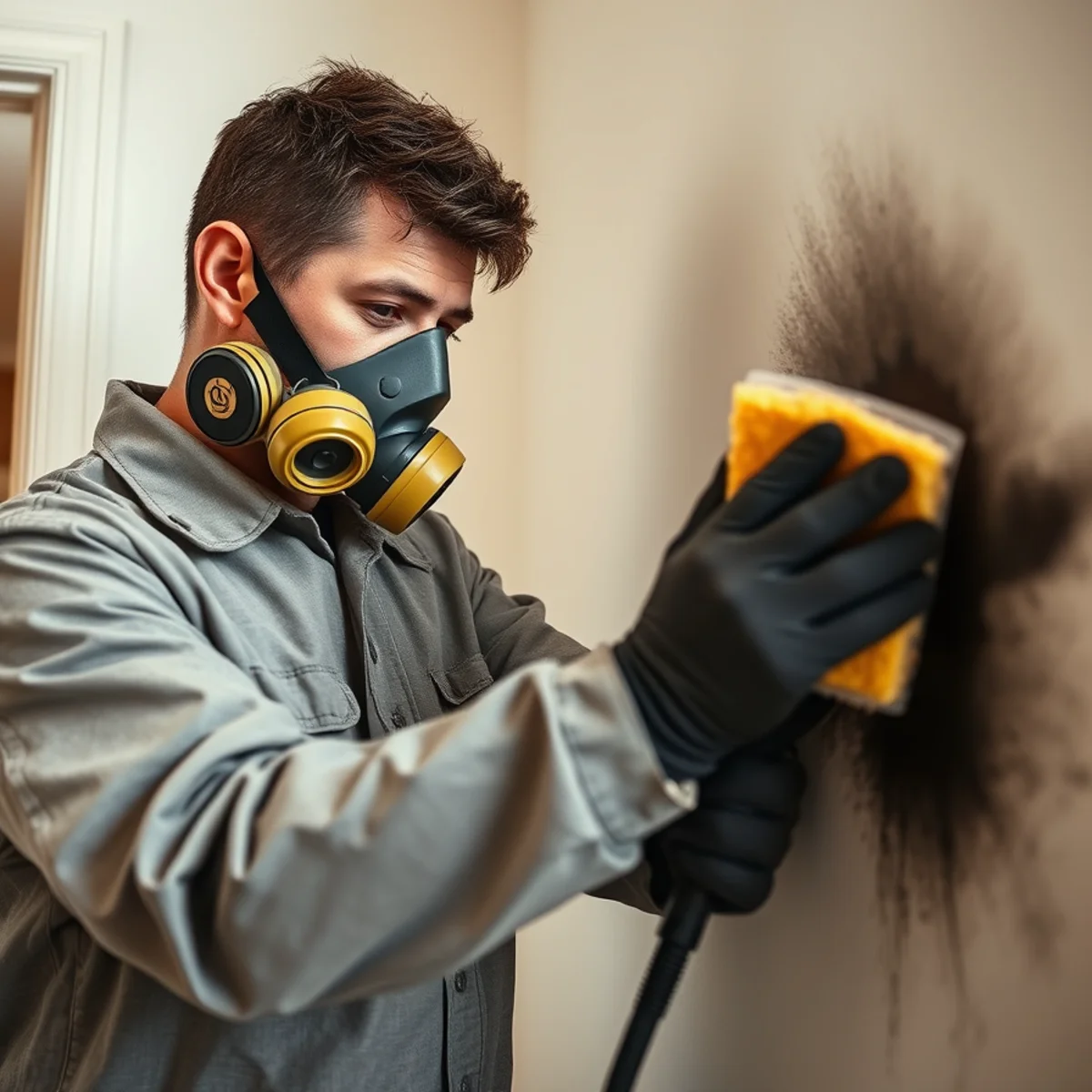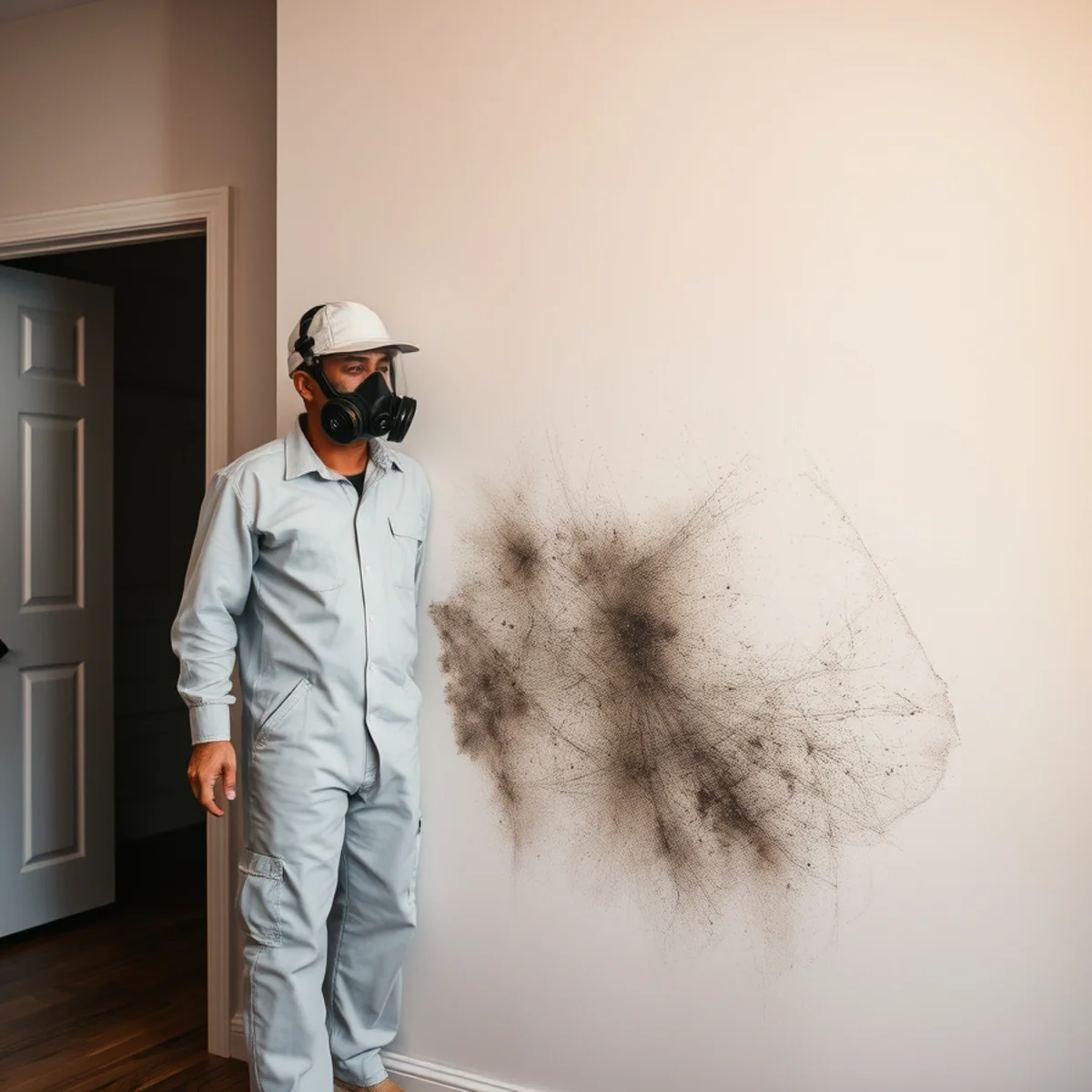
A house fire has an accomplice most people forget about: the heating and cooling system. If the HVAC was running when the fire started, or kept running afterward, it did exactly what it is built to do. It pulled smoky air into the return, pushed it through the ducts, and delivered soot to every room with a vent, including rooms the fire never came close to.
Cleaning the walls in those rooms without cleaning the ductwork behind them leaves the job half done, and the smell keeps coming back.
How the System Carries a Fire Through the Whole House
Central HVAC works by circulating air. During a fire, that circulation becomes a distribution network for smoke. The return grilles draw in air thick with soot particles, the blower drives it across the coil and into the supply trunk, and every branch duct carries a share of it to a bedroom, a closet, an upstairs hallway. Soot is fine enough to ride the airstream effortlessly and coats the inside of the metal and flex ducts along the way. This is a big part of why smoke damage shows up far from the fire, and why a distant bedroom can smell smoky with no visible mark on the walls. The return-side filter catches some of it, but it loads up within minutes of a fire and then passes the rest straight through to the rooms beyond.
Why Dirty Ducts Undo the Rest of the Cleanup
Here is the trap. A crew can clean every surface in the house, and the rooms can look and smell fine, but the first time the system cycles on, it blows soot and odor back out of the vents and re-contaminates everything. The ductwork becomes a reservoir that keeps re-odorizing clean spaces. That is why duct cleaning is not an optional add-on after a fire. It is part of finishing the smoke damage cleanup, not a separate luxury. Skipping it is one of the reasons a home that was supposedly cleaned still smells months later.
The First Move Is to Shut It Off
Before any of that, one immediate action helps: turn the HVAC system off after a fire, at the thermostat and ideally at the breaker. Every minute it runs, it moves more soot into the ducts and deeper into clean parts of the house. Shutting it down stops the spread and limits how much has to be cleaned later. This follows the same logic as not wiping soot or running fans blindly, the small early choices that keep the damage from getting worse before help arrives.
What Inside the System Gets Contaminated
A fire does not just dirty the ducts. The whole air path is affected:
- The supply and return ductwork, coated inside with soot along its full length.
- The evaporator coil and blower, where sticky soot clings and restricts airflow.
- The air filter, quickly loaded and no longer able to catch fine soot.
- The plenum and registers, where residue collects at every junction and grille.
- Flexible duct runs, which are porous enough that heavy soot contamination often means replacement rather than cleaning.
How the System Is Cleaned
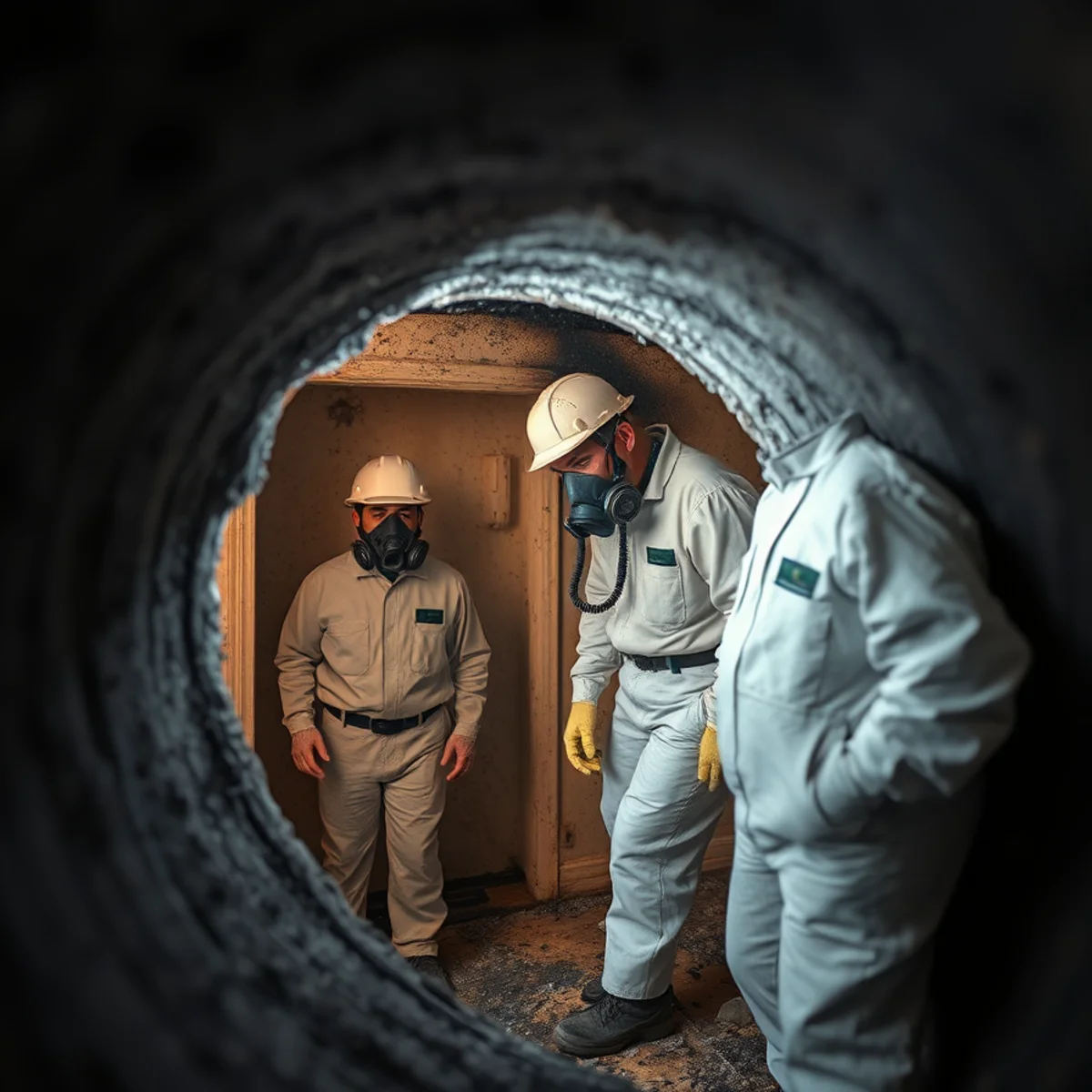
Professional HVAC restoration after a fire follows recognized duct-cleaning standards, not a shop vacuum held at the vent. The system is shut down and the filter removed and replaced. Technicians access the ductwork and use agitation tools with a powerful negative-air vacuum to pull soot out of the runs rather than stir it around. The coil, blower, and plenum are cleaned by hand, and the coil gets special attention, since an oily film there keeps shedding odor into the airflow long after the ducts themselves look clean. Contaminated flex duct that cannot be cleaned to standard is replaced. Finally the system is deodorized so odor does not linger in the metal, then sealed back up.
This comes up often in Mableton, where the 1960s through 80s subdivisions are reaching the age when panels, furnaces, and ductwork are all wearing out together. A recent fire there pushed smoke through original ductwork into every bedroom, and cleaning the ducts was what finally cleared the odor the family kept smelling at night.
The Part That Matters for Your Lungs
There is a health reason too, not just a smell reason. Soot is fine particulate that carries acidic and sometimes toxic compounds, and a contaminated HVAC system aerosolizes it every time it runs, sending it into the air your family breathes. For children, older adults, and anyone with asthma, that is a real exposure. Cleaning the ducts is as much about indoor air quality as it is about odor, which is why we treat it as essential rather than cosmetic.
After a fire, the ductwork is where smoke goes to hide and wait. Cleaning it is what makes the rest of the smoke damage cleanup hold, so the smell stays gone and the air stays clean. Our crews clean and restore fire-affected HVAC systems throughout Mableton and the Atlanta metro as part of a complete cleanup. If your vents smell smoky, or your home was cleaned but the odor keeps returning, call (866) 688-0301 and we will check what your ducts are still holding.